


Shiptec China 2026.10.28-10.30 | HYDWIN- From Standalone Breakthroughs to Full-Process Chain Technology: China's Green Shipbreaking Is Moving Toward a Systematized Intelligent Era.
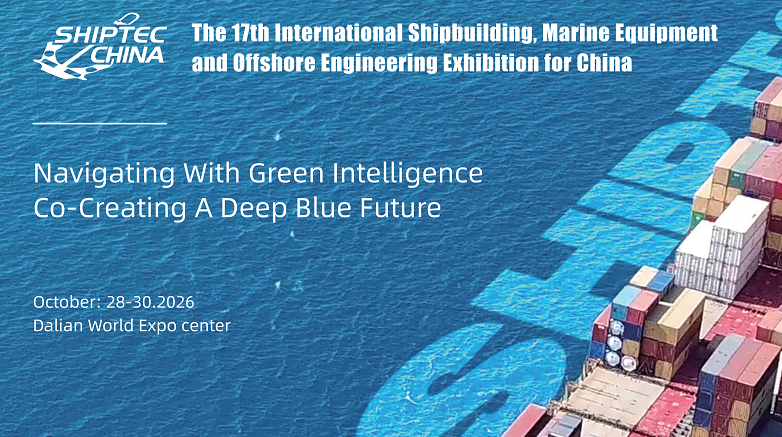
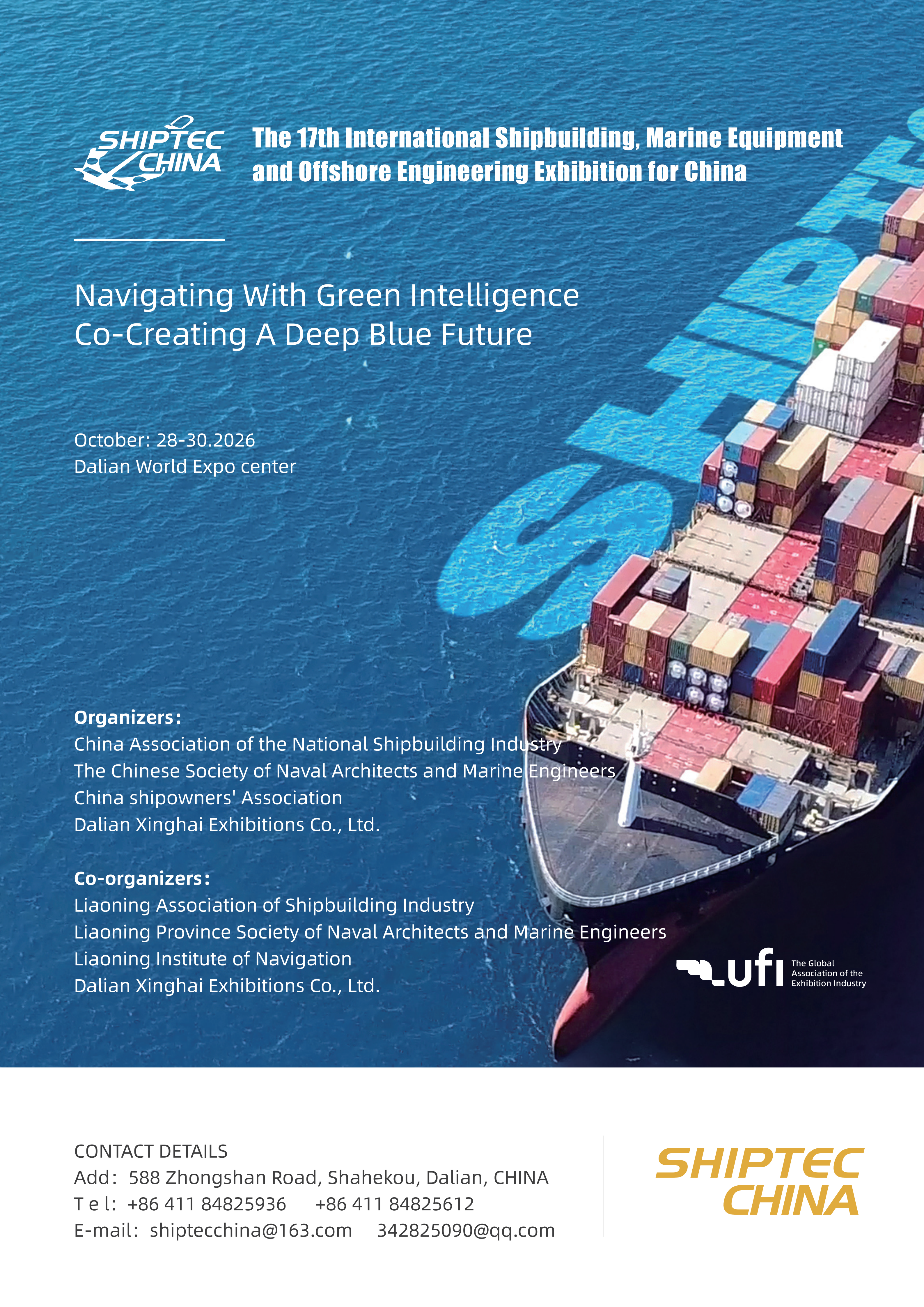
The 17th China Dalian International Maritime Exhibition is about to kick off. As one of the most influential international maritime events in Northeast Asia, this exhibition will gather cutting-edge technologies, innovative equipment and solutions from the global shipbuilding industry, and build a platform for in-depth exchanges and practical cooperation among upstream and downstream players in the industrial chain.
At present, green ship repair and intelligent equipment have become the core direction for the transformation and upgrading of the shipbuilding industry. Shanghai Haihuan Technology Co., Ltd---HYDWIN. has been deeply rooted in the field of ship surface treatment, and has continuously improved its complete equipment system. This time, the company will bring its world-leading overall solution for industrial anti-corrosion intelligent manufacturing equipment to the exhibition [Booth No.: 1G11].
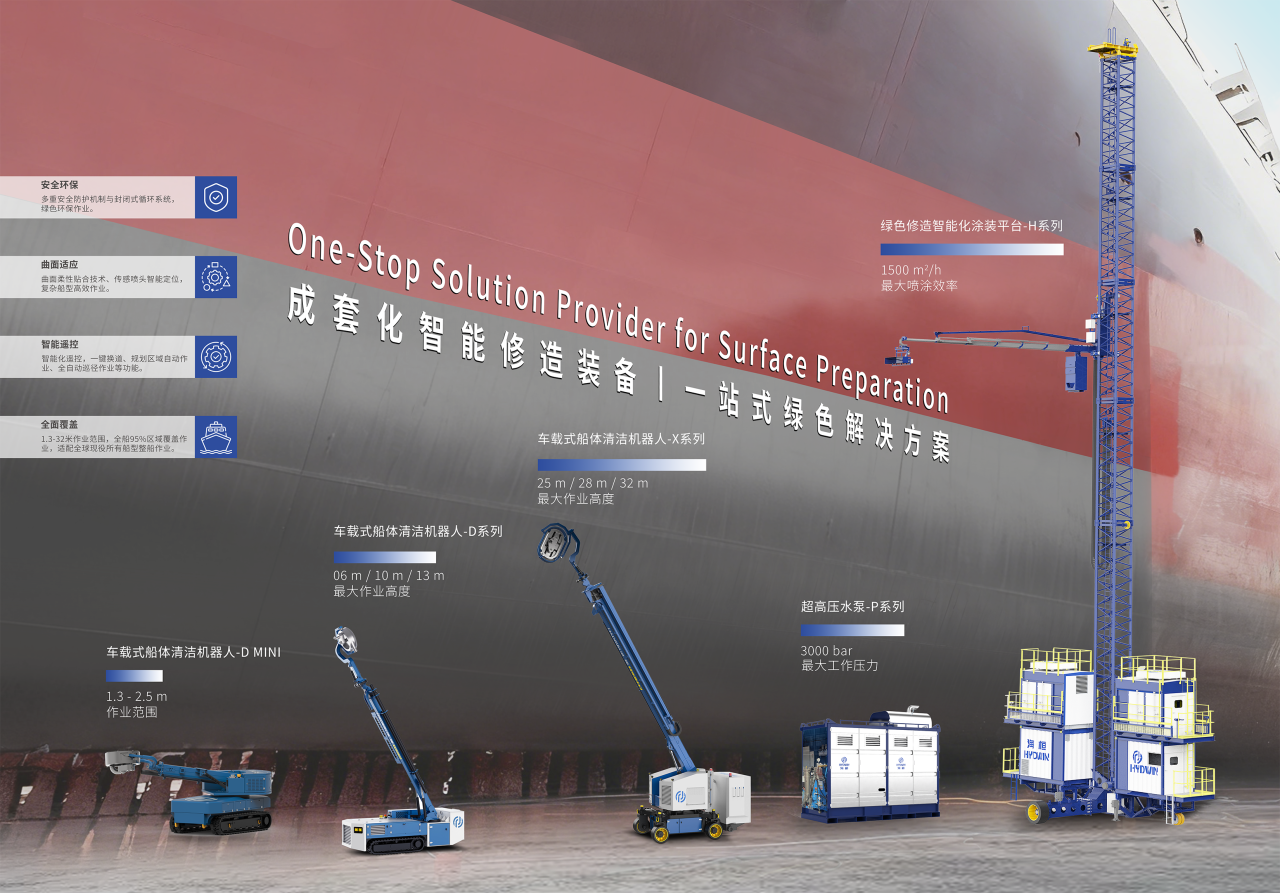
Relying on its self-developed core hardware including the Treatment Carrier D&X vehicle-mounted hull cleaning robot, P-series ultra-high pressure pump unit, F-series water treatment system and H-series intelligent spraying platform, Haihuan Technology has built a complete set of equipment system featuring the "removal-cleaning-spraying-capturing" full workflow, helping push ship surface treatment from single-unit mechanization to systematization, intellectualization and data integration.
More than pressure: It is the entire process chain that determines the efficiency of water-based rust removal
Pure water jet rust removal generally focuses on exposing the existing surface profile, but high-energy water jets also have the ability to erode and cut the base material, and can even form grooves under specific parameters. Therefore, the key to water jet operation is not simply increasing the pressure, but collaboratively controlling pressure, flow rate, target distance, moving speed and local action time according to the processing target.
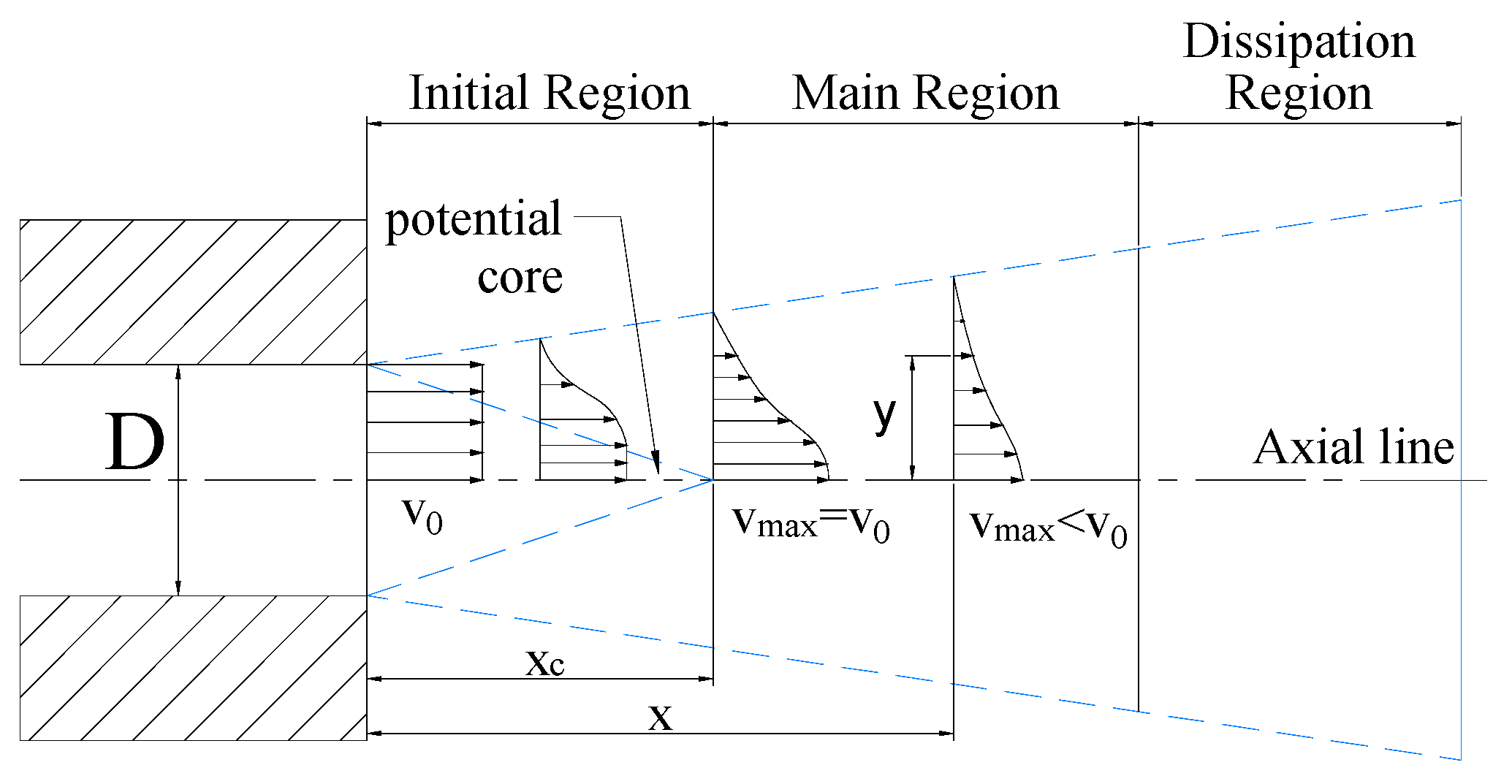
From the perspective of energy transfer, the hydraulic power at the pump end is approximately determined by the product of pressure and flow rate. However, this energy must pass through high-pressure piping, fittings, nozzles, and spray bars before ultimately being applied to the hull surface with specific standoff distance, incident angle, and trajectory density. Along-the-way pressure losses, flow fluctuations, nozzle efficiency degradation, or mismatched motion parameters can all reduce the effective conversion of pump-end energy onto the working surface.
Therefore, when evaluating ultra-high-pressure water jet equipment, one should not merely compare peak pressure or travel speed of the device, but instead assess whether the entire process chain can maintain a stable single-pass efficiency under the condition of achieving specified surface cleanliness.
Continuous Processing with Localized Precision Enhancement:
Building an On-Demand Rust Removal Solution
Ship hull plating is not a uniform, flat surface. Different curvatures exist across the bottom, bilge, bow and stern, and sides, while surfaces may simultaneously feature intact old coatings, spot rust, surface rust, and severely deteriorated areas. Applying identical parameters across the entire hull not only increases unnecessary energy consumption but also makes it difficult to balance efficiency with substrate protection.
The Treatment Carrier D&X employs ultra-high-pressure pure water jet technology for hull cleaning and rust removal. The D series primarily covers flat bottoms, bilges, bow and stern sections, and mid-to-low complex areas; the X series targets large-area hull plating and high vertical surfaces. The equipment supports two operational modes:
▸ Full-Coverage Mode: Continuously treats the entire vessel or designated zones along pre-planned paths;
▸ AI Spot-Targeting Mode: Identifies localized corrosion and coating failure areas, then intensifies treatment precisely at those points.
The core of AI spot-targeting lies not merely in detecting rust spots, but in dynamically allocating jet exposure time based on surface conditions—applying higher local energy input to heavily corroded or thickly coated areas, while minimizing unnecessary processing on mildly degraded regions.
Through PLC and HMI monitoring of pressure, flow rate, and spray bar speed, combined with PID control, AI visual recognition, path planning, and multi-degree-of-freedom coordinated control, the D&X series achieves continuous processing across diverse hull areas while enabling localized reinforcement where needed.
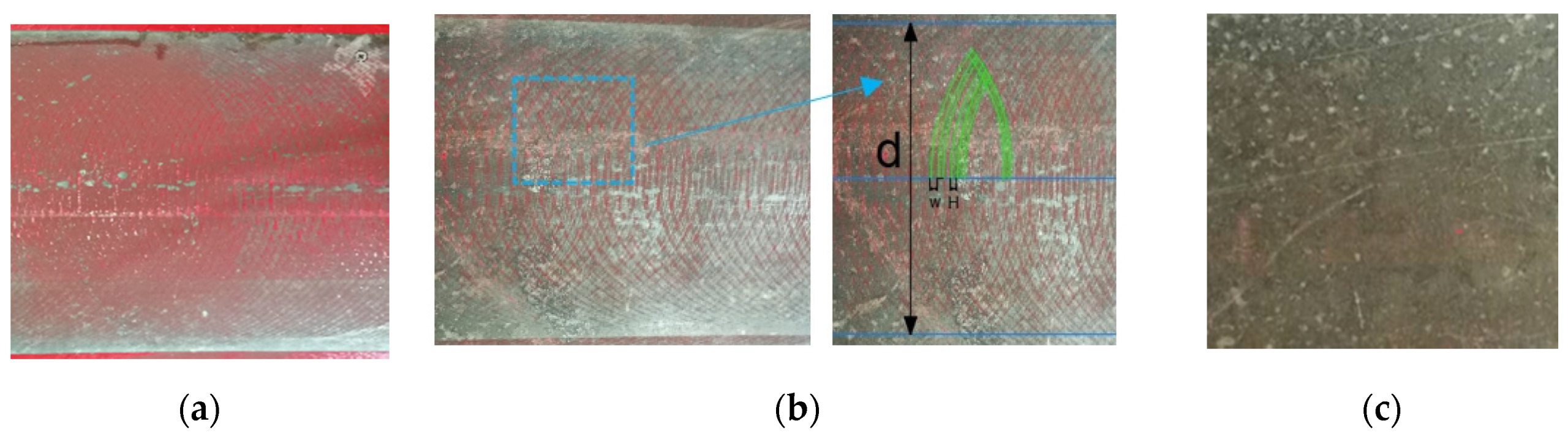
Research on rotary water jet devices also indicates that the spray bar rotation speed and equipment travel speed jointly determine the coverage density of the jet trajectory. Excessive travel speed increases the spacing between adjacent trajectories, resulting in strip-like residue. Only by coordinating control of pressure, spray bar rotation speed, standoff distance, and travel speed can both cleaning effectiveness and single-pass efficiency be achieved.
Pump‑end and Operation‑end Synergy:
Building a Closed‑Loop for Ultra‑High‑Pressure Waterjet Power
The power foundation for D&X to deliver stable operation lies in the Treatment Carrier P‑Series ultra‑high‑pressure pump units.
Pressure governs local impact capacity, while flow rate determines jet momentum, treatment width and the removal capacity of stripped materials. High pressure paired with insufficient effective flow may result in strong local impact yet low overall coverage efficiency. Excessive output pulsation can trigger pipeline shock, spray bar vibration and uneven energy distribution across the working surface.
Adopting vertical triple‑plunger and quintuple‑plunger configurations, the P‑Series is electrically or diesel‑driven and supports dynamic pressure adjustment ranging from 50 MPa to 300 MPa. By increasing the work frequency per unit time and optimizing plunger phase offset, the quintuple‑plunger design delivers more stable power conditions for high‑flow‑rate and continuous heavy‑duty operation.
From Stripping to Purification:
The Environmental‑Friendly
Closed‑Loop for Waterjet Rust Removal
Waterjet technology cuts down abrasive consumption and dust emissions. Nevertheless, if wastewater, rust residues and paint dregs are left scattered on the dock bottom, pollution is merely transferred from air to water bodies and solid waste.
The Treatment Carrier D&X vehicle‑mounted hull‑cleaning robot synchronously recycles wastewater, rust residues and old paint chips via vacuum negative pressure. After solid‑liquid separation, the effluent is fed into the Treatment Carrier F water‑treatment system, forming a continuous workflow of “removal‑recovery‑separation‑purification‑recycling”.
Tested by a CMA‑accredited third‑party inspection institute, the treated ultra‑high‑pressure rust‑removal wastewater changes from dark‑red opaque to colorless and transparent. The removal rates of multiple indicators exceed 94 %, among which suspended solids, iron, manganese, petroleum substances and residual chlorine achieve removal rates above 99 %, with the effluent turbidity lower than 1 NTU. Project operational data demonstrates that the recycling rate of treated water exceeds 90 %.
This marks the very distinction between standalone equipment and systematic equipment: the former mainly accomplishes coating stripping, whereas the latter focuses on full‑process control ranging from energy output at the pump end to the ultimate disposal of contaminants. Green waterjet technology is more than merely “replacing grit with water”; it requires a closed‑loop integrating “removal” and “purification”.
From Automated Execution to Quality Closed‑Loop:
System Logic of Intelligent Spraying
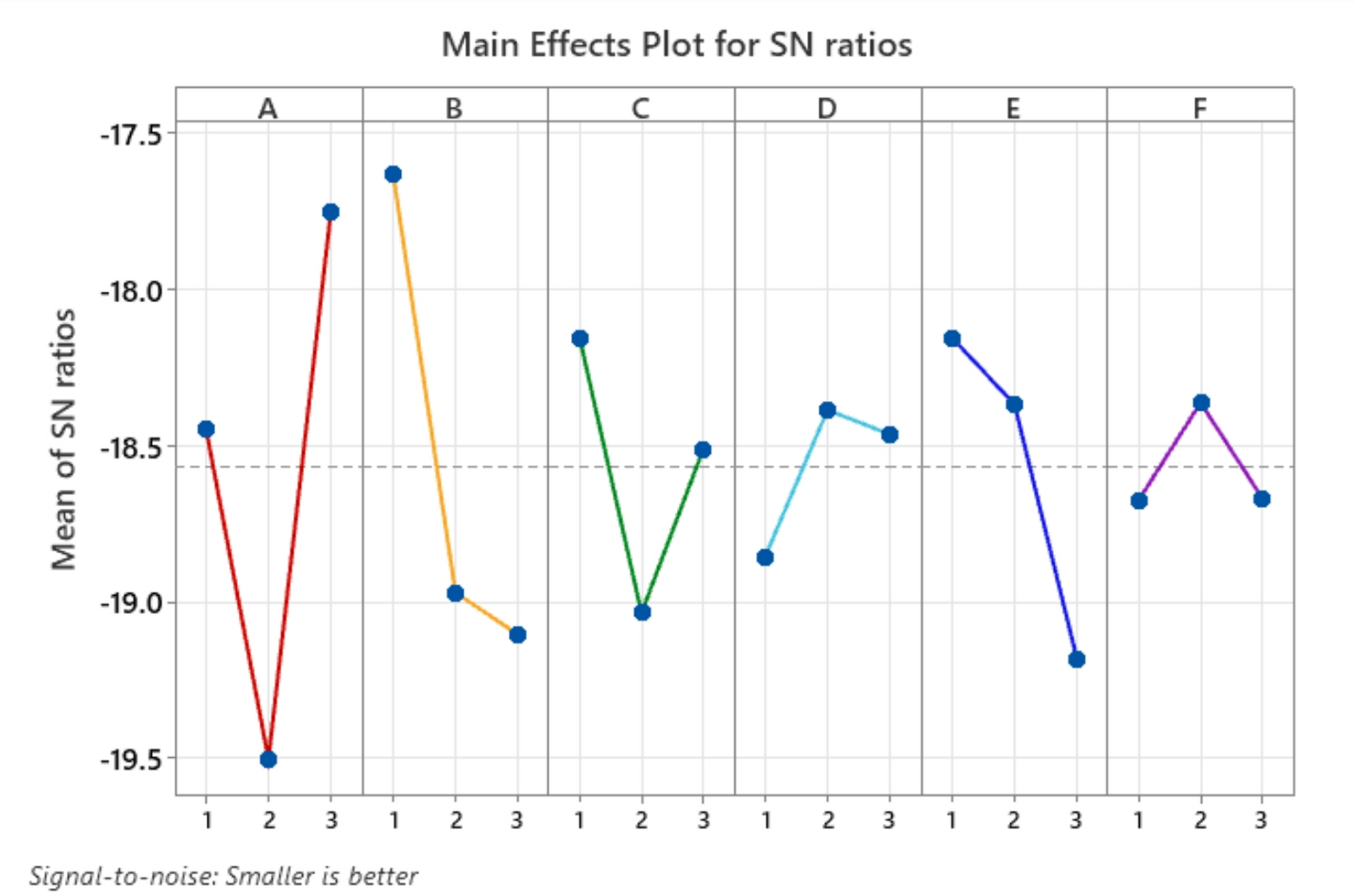
Spraying quality represents a systemic output determined by multiple interacting parameters. Film thickness and surface condition are jointly affected by coating viscosity, spraying pressure, gun‑to‑surface distance, travel speed, ambient temperature and humidity, as well as overlap between adjacent spray swaths. Studies indicate that the relevant model accounts for 97.07 % of film‑thickness variation, with viscosity, pressure, gun‑to‑surface distance and travel speed exerting significant influences.[2]
Magnetic‑adhesion wall‑climbing spraying equipment can reduce personnel exposure to high‑altitude hazards, yet its operation is constrained by magnetic adhesion force, self‑weight, hull curvature and local obstacles.[3] For multi‑coat application, the “contact‑mode operation” structure of wall‑climbing spraying devices also suffers from insufficient early‑stage curing strength of wet paint films. Hempel’s technical documentation clearly distinguishes surface dry time, minimum recoat interval and full cure, and notes that curing time varies with temperature‑humidity, ventilation conditions and film thickness.[4] Reaching the minimum recoat interval only permits application of the subsequent coat; it does not mean the paint film can withstand normal pressure, localized wheel load and steering shear force exerted by magnetic rollers.
Adopting a ground‑based non‑contact configuration, the Treatment Carrier H operates without physical contact against the sprayed surface, making it better suited for continuous multi‑coat operations. Leveraging multi‑sensor fusion, the platform identifies hull curvature and operation boundaries, and synchronously controls gun‑to‑surface distance, travel speed, paint output pressure and spray‑swath overlap, bringing key variables governing film‑forming quality into one unified control closed‑loop.
Synchronized “Spraying and Capturing”:
Building an Emission‑Reduction Closed‑Loop at the Operation End
Conventional spraying for ship hull outer plates is mostly performed in open or semi‑open dry docks. Paint that fails to deposit effectively on the hull surface generates overspray mist, which contains suspended particulate matter as well as VOCs released via solvent volatilization.
Paint‑mist particles are primarily controlled through airflow organization, negative‑pressure capture and filtration‑separation. VOC abatement requires coordinated management across links including closed paint supply, reduction of fugitive emissions, and waste‑gas collection and treatment. Accordingly, the environmental benefits of intelligent spraying lie not merely in adopting low‑VOC coatings, but also in boosting effective paint deposition efficiency and achieving source‑side capture before paint mist disperses.
Treatment Carrier H integrates the spraying actuator and paint‑mist recovery system onto a single platform, featuring an “air‑curtain isolation plus negative‑pressure capture” configuration. The outer air curtain restrains overspray mist from spreading, while inner honeycomb‑structured negative‑pressure channels channel paint mist into the recovery‑and‑treatment system. This transforms conventional open‑style fugitive emissions into a pollution‑control process that is collectible, treatable and monitorable.
Empowering a Major Ship Repair Nation to Become a Global Leader in Green Ship Repair Through Systematic Intelligent Solutions
From a complete process perspective, the Treatment Carrier D&X, P, F and H series form four interconnected closed loops:
▸ Power Closed-Loop: Dynamic matching of pump output with jet, spray bar and motion parameters; ▸ Operation Closed-Loop: Continuous synergy of rust removal, recovery, purification, spraying and paint mist capture; ▸ Quality Closed-Loop: Evaluation of operational results based on cleanliness, surface profile, film thickness and overlap quality; ▸ Data Closed-Loop: Continuous recording of pressure, flow rate, coating consumption, film thickness, emissions and other engineering data.
This system drives three transformations in shipbuilding and repair: • Production shifts from labor-intensive to intelligent-equipment-driven; • Environmental protection evolves from end-of-pipe treatment to pollution prevention at the process source; • Industrial capability upgrades from standalone equipment replacement to the export of complete processes and standards.
Going forward, competition in green ship repair will not be determined merely by the number of standalone machines or peak performance parameters, but by the ability to establish a complete process system that enables continuous operation, quantitative validation and traceable auditing — with engineering data further refined into industry-accepted technical specifications.
As China’s domestically developed core pump units, intelligent robots, green processes and digital quality systems converge into a synergistic ecosystem, China’s shipbuilding industry will deliver to the world not just ship repair capacity, but a replicable, verifiable and auditable green shipbuilding and repair methodology.
Leveraging systematic Chinese-made equipment to participate in shaping global green ship repair standards will also become a pivotal pathway for China’s shipbuilding industry to transition from scale leadership to leadership in quality, sustainability, intelligence and standard-setting.
Welcome ship‑repair and shipbuilding enterprises and industry peers to visit and exchange at Haihuan Technology Booth 【1G11】. Let us discuss face‑to‑face intelligent and green transformation solutions for ship surface treatment.
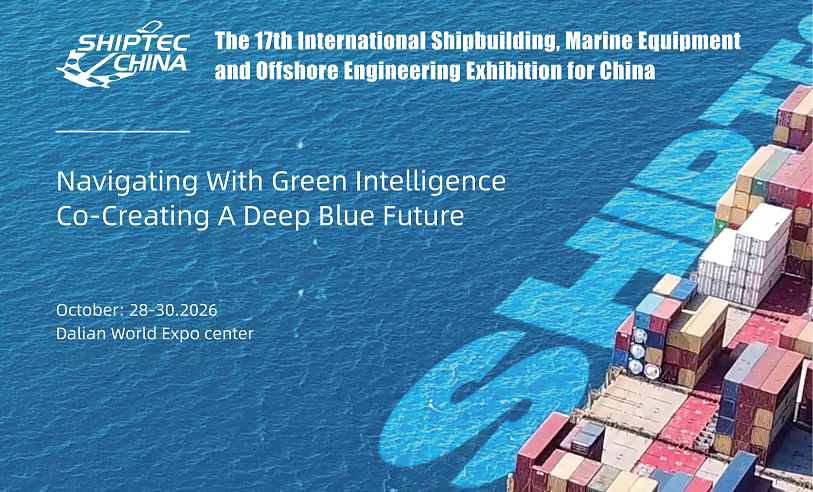
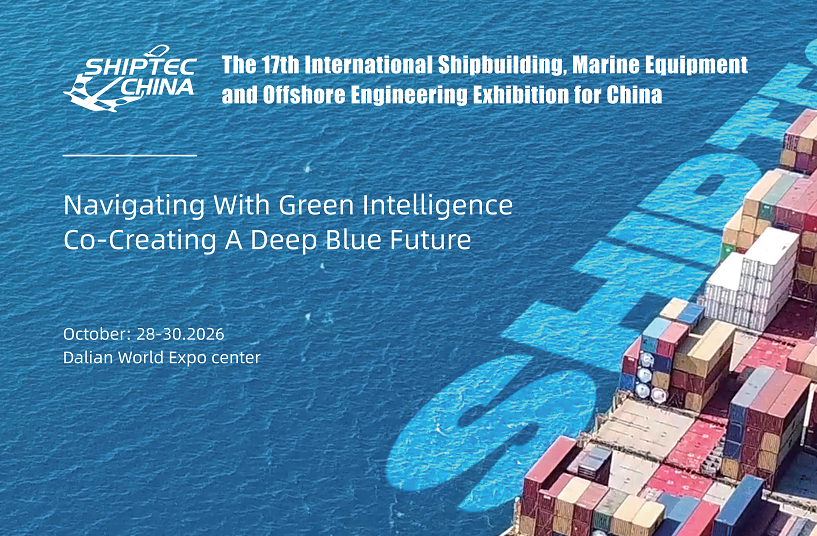
The 17th China Dalian International Maritime Exhibition (Shiptec China), themed "Navigation With Green Intelligence,Co-Creating A Deep Blue Future," will be held at the Dalian World Expo Plaza from October 28 to 30, 2026. The exhibition will feature 10 specialized zones covering the entire maritime industry chain, including Shipbuilding & Offshore Engineering, Equipment & Technology, Port, Shipping & Logistics Services, Universities & Research Institutes, International Pavilion, Green & New Energy, Cruise & Yacht Facilities and Technology, Maritime Science, Technology & Culture, Heavy Equipment Zone, and Naval Defense. Concurrently, over 20 high-end industry forums, technical seminars, and business matchmaking events will be held, including the New Offshore Engineering Equipment Development Forum, the 2026 Marine Technology & Equipment Development Forum, the 2026 Marine Equipment Industry Innovation Forum, the Seminar on Legal Risks for Enterprises in Foreign Countries, the 2026 Dalian Ship Technical & Marine Superintendents Seminar & National Association Meeting, the 2026 China-South Korea Shipbuilding & Offshore Equipment Business Matchmaking Conference, the 1st Global Alumni Conference of Dalian Maritime University, the Xinde Maritime Dalian Forum, the Shipowners & Shipbuilders Matchmaking Session, and the Specialized Matchmaking Session for Shipyards & Marine Equipment Suppliers.

READ MORE
 Technology
Shiptec China 2026.10.28-10.30 | The Enterprises of International Pavilion
 Technology
Shipowners are finding a new business beyond ships
 Technology
Maritime is using AI every day. Now comes the harder part: trusting it to act.
 Technology
Connecting maritime digitalisation to process
 Technology
Shiptec China 2026.10.28-10.30 | Russian Delegation to Make a Grand Appearance at the 17th International Shipbuilding,Marine Equipment and Offshore Engineering Exhibition For China
 Technology
AI Is Moving Into Shipping’s Core Business. What Will Set Companies Apart?
 Technology
Shiptec China 2026.10.28-10.30 | German Pavilion | High-Precision Threading Tools & Clamping Systems: NORIS Debuts at Dalian Maritime Exhibition
 Technology
Shiptec China 2026.10.28-10.30 | German Pavilion | Mayr Safety Brakes: Robust, Powerful and Seawater-Corrosion Resistant – Safe and Durable Product Solutions for Harsh Environments
 Technology
Shiptec China 2026.10.28-10.30 | TECHNOBIO with POWER-Z: Improving Power and Thermal Efficiency through Fuel Additives
 Technology