


World Shipping Council presents Cargo Safety Program at China MSA forum
In conjunction with this year’s China Maritime Week, the World Shipping Council (WSC), the global association for liner shipping, presented its Cargo Safety Program at the forum on Navigation Safety Risk Management in China's Coastal Waters, hosted by the China Maritime Safety Administration in Taizhou City, Jiangsu Province on 10 July 2026.

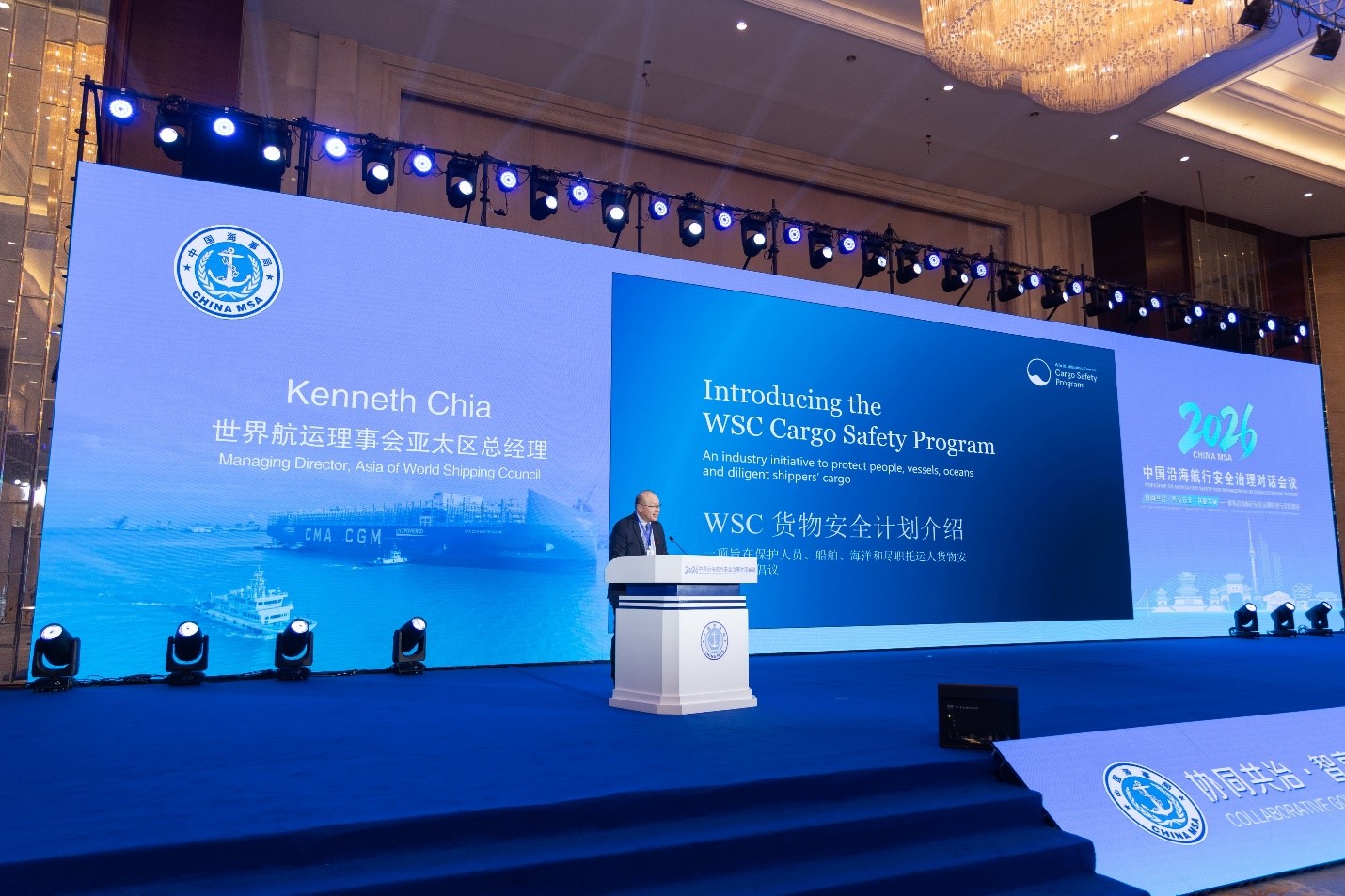
In conjunction with this year’s China Maritime Week, the World Shipping Council (WSC), the global association for liner shipping, presented its Cargo Safety Program at the forum on Navigation Safety Risk Management in China's Coastal Waters, hosted by the China Maritime Safety Administration in Taizhou City, Jiangsu Province on 10 July 2026.
Speaking at the forum, WSC’s Managing Director for Asia, Kenneth Chia outlined how the Program is helping carriers detect misdeclared and undeclared dangerous goods before they reach a ship.

WSC’s presentation came as latest figures from insurance group Allianz show that a container ship fire occurred every 17 days in 2025, with misdeclared and undeclared dangerous goods a significant contributor to the risk.
As home to many of the world’s largest and busiest container ports, China has a critical role to play in improving the safety of global supply chains.
The WSC Cargo Safety Program is designed to tackle the persistent problem of misdeclared and undeclared dangerous goods by establishing industry-wide best-practice standards for cargo screening and inspections. It provides an additional safety net to detect risks early and help prevent incidents.
Through the Program, participating carriers use a shared digital screening tool to scan cargo booking information and flag shipments that may contain undeclared or incorrectly declared dangerous goods. Carriers can then investigate the booking, request corrected information or arrange for the container to be inspected before it is loaded.
Accurate declarations are essential because ships and terminals rely on this information to store, handle and transport dangerous goods safely. Without it, cargo may be stowed in the wrong location or handled without the precautions needed to protect seafarers, port workers, ships, cargo and the environment.
The legal responsibility for declaring cargo correctly remains with the shipper. The Cargo Safety Program gives carriers an additional way to identify potential problems and take action before an incident occurs.
Carriers representing more than 75% of global container capacity already participate in the Program. Since its launch, it has helped identify more than 13,000 cases of misdeclared or undeclared dangerous goods, and it remains open to additional carriers.
Mr Chia also welcomed the strong and shared focus Chinese officials placed on cargo safety. He highlighted how action by both regulators and industry can help identify risks earlier and prevent dangerous cargo from reaching a ship without the correct declarations and safeguards.
For more info about WSC Cargo Safety Program, please click the link https://www.worldshipping.org/cargosafetyprogram or the following:


READ MORE
 Safety
Hapag-Lloyd Suspends Calls at Ukraine’s Three Main Black Sea Ports
 Safety
6 VLCCs Reroute via the Cape of Good Hope
 Safety
Five Dead as Fire Engulfs Indonesian Ferry: Vehicle Deck, Delayed Alert and Safety Failures Under Investigation
 Safety
Container Ship Sunk as Three Major Carriers Suspend Ukraine Black Sea Services
 Safety
Not Yet Broken Apart, but the Disaster Has Already Begun: Shadow Tanker Leaks Oil off Oman
 Safety
Can a Vessel Safely Transit Bab el-Mandeb? Houthi-Linked Body Publishes Free Clearance Email
 Safety
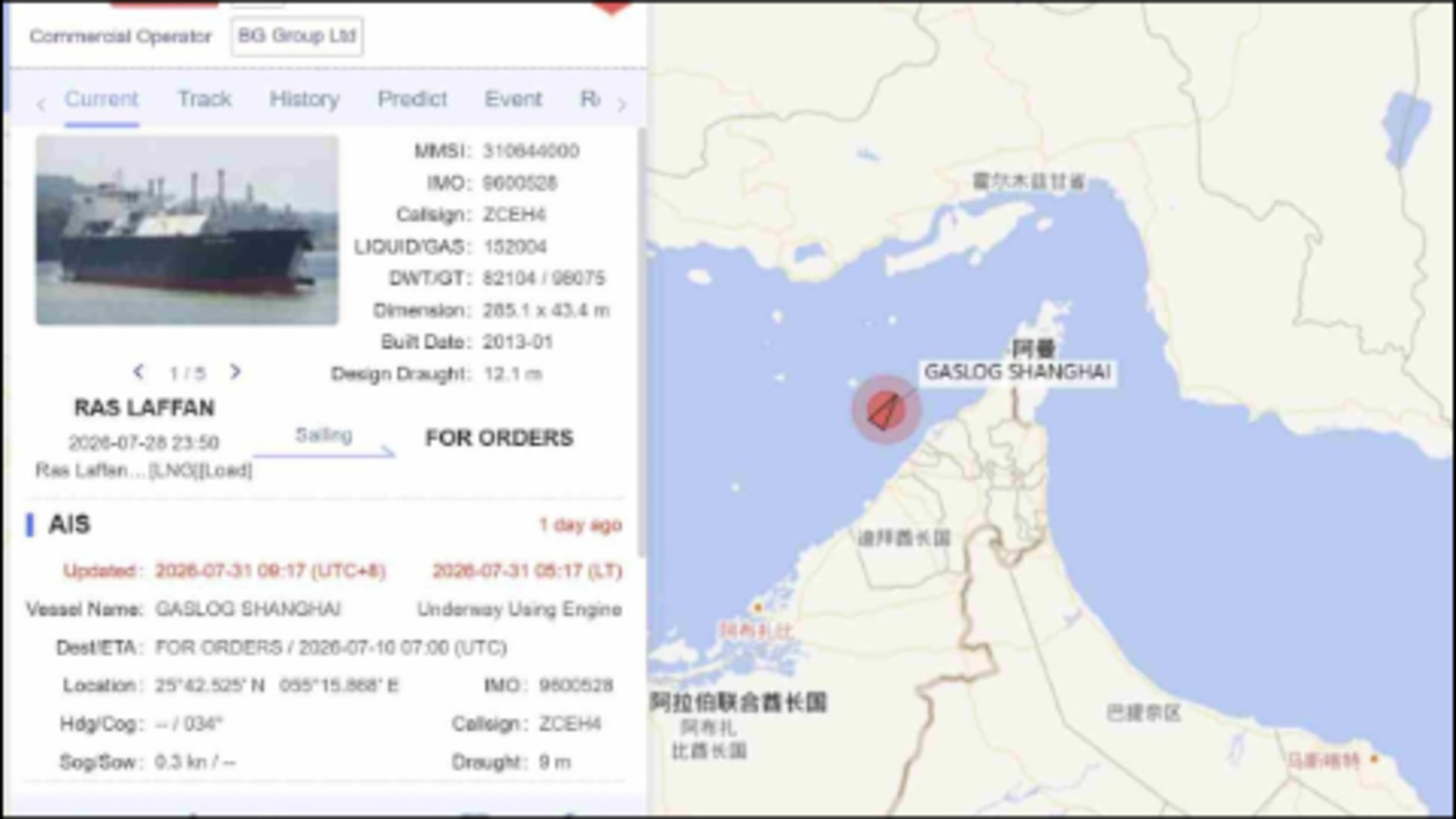
In 3 Days, Two LNG Carriers: GasLog Ships Caught Up in Separate Attacks
 Safety
Drone Strike Hits FSRU and LNG Carrier at Egypt’s Damietta Port, Pushing Middle East Risk into the Mediterranean
 Safety
Red Sea “Toll Booth” Next? Houthis Weigh Transit Fees as RCL Cancels China Sailing
 Safety