


China Captures 82.3% of Global Ship Orders as Shipbuilding Indicators Reach New Highs
China's shipbuilding industry strengthened its global lead in the first half of 2026, securing more than four-fifths of all new orders placed worldwide while reporting record results across its three core indicators.
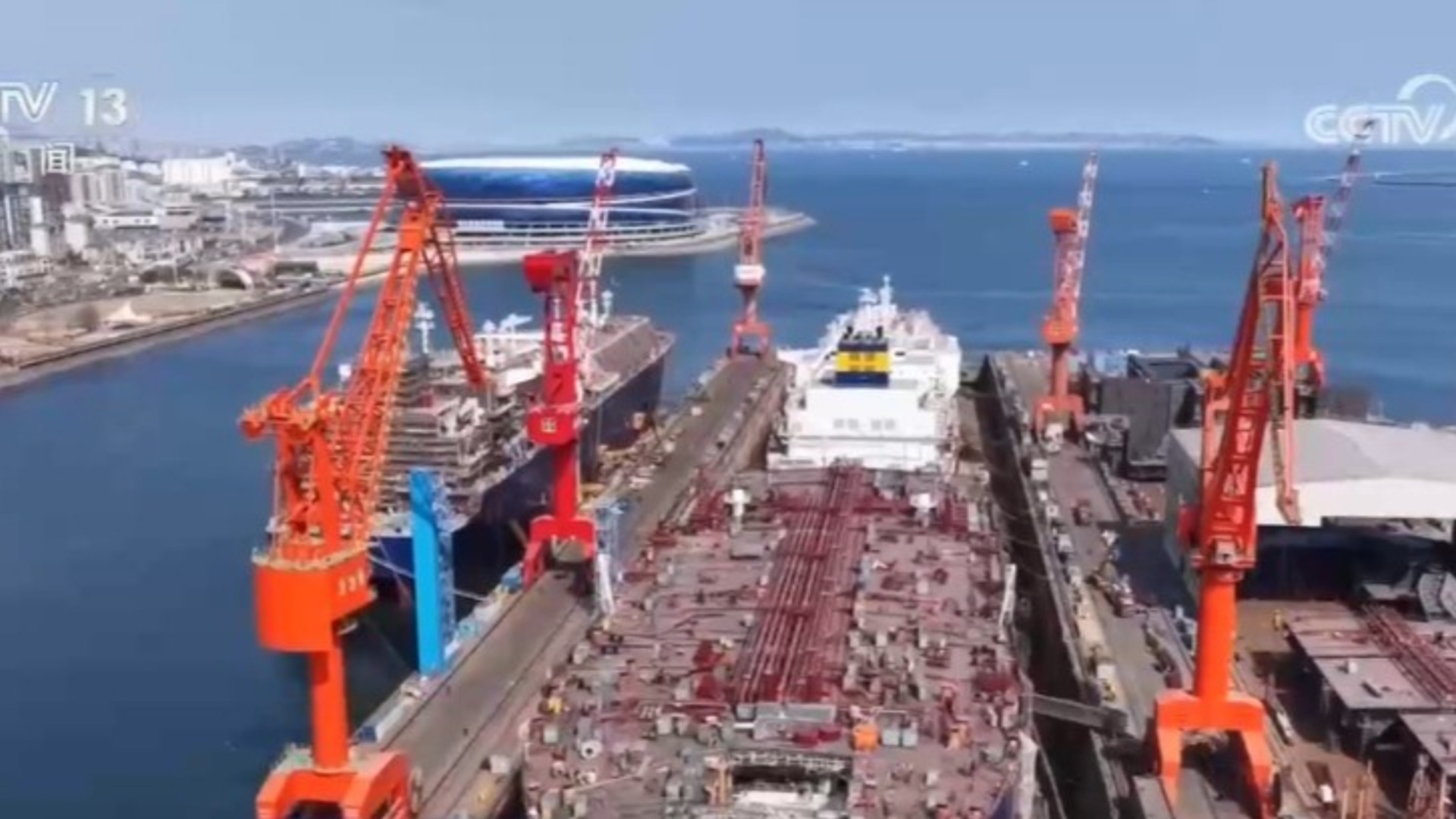

China's shipbuilding industry strengthened its global lead in the first half of 2026, securing more than four-fifths of all new orders placed worldwide while reporting record results across its three core indicators.
According to data released by China’s Ministry of Industry and Information Technology on July 23, Chinese shipyards received new orders totalling 121.06 million deadweight tonnes during the first six months of the year, representing a year-on-year increase of 173.1%.
The volume was equivalent to 82.3% of the global market and had already surpassed China’s previous record for new orders received during an entire year.
Shipbuilding completions also increased sharply. Chinese yards delivered vessels totalling 36.50 million dwt between January and June, up 51.2% from the same period in 2025 and accounting for 62.2% of global output.
By the end of June, China’s orderbook had expanded to 363.25 million dwt, an increase of 54.9% year on year. The country consequently held 71.2% of the global shipbuilding orderbook.
More than 80% of orders in three mainstream segments
China’s competitiveness was particularly evident across the three largest commercial shipbuilding segments.
Chinese yards secured more than 80% of global new orders for bulk carriers, containerships and tankers during the first half of the year, demonstrating their ability to undertake large-scale construction programmes across the principal merchant ship categories.
The results also reflect the rapid expansion of China’s shipbuilding capacity and the continued improvement of its production efficiency. Strong order intake since the beginning of the year has supported high utilisation rates at major shipyards, while the growth in completions shows that recently expanded capacity is gradually being translated into higher deliveries.
Export vessels continued to dominate the industry’s workload. Ships built for overseas customers represented 94.0% of China’s completed tonnage, 93.4% of new orders and 92.1% of the total orderbook during the first half.
China’s ship exports were valued at $31.62 billion, equivalent to approximately RMB214.16 billion.
The figures underline the highly international character of China’s shipbuilding sector and its growing importance to the fleet renewal programmes of global shipowners.
Green ships remain a core growth engine
China’s expansion has been accompanied by continued progress in green and alternative-fuel vessel construction.
Despite three consecutive years of declining global orders for green-powered ships, Chinese shipbuilders maintained a global market share of more than 68% in this category during the first half of 2026.
China has held at least 68% of global green ship orders for three consecutive years, according to the China Association of the National Shipbuilding Industry.
This development is being supported by the localisation and large-scale production of alternative-fuel propulsion systems.
China State Shipbuilding Corporation’s engine manufacturing operations can now simultaneously assemble and test marine engines capable of using LNG, LPG, ethane, methanol and ammonia, covering the main alternative-fuel pathways currently being considered by shipowners.
Orders for low-carbon and zero-carbon fuel engines have increased substantially following the batch delivery of domestically produced dual-fuel engines. The orderbook for marine engines increased by nearly 8% year on year during the first half of 2026.
As propulsion equipment accounts for the majority of a vessel’s energy consumption and carbon emissions, the ability to manufacture alternative-fuel engines at scale is becoming an increasingly important component of China’s shipbuilding competitiveness.
From construction scale to full-chain capability
The latest results show that China’s position in the global shipbuilding market is increasingly supported by a combination of construction capacity, domestic supply-chain integration and technological upgrading.
Chinese shipyards have expanded from conventional merchant ship construction into LNG carriers, vehicle carriers, large dual-fuel containerships, specialised vessels and other technically demanding segments. Domestic manufacturers are also strengthening their capabilities in engines, propulsion systems, marine equipment, digital platforms and intelligent production.
Greater integration between shipyards and equipment suppliers is helping reduce delivery risks at a time when global shipowners are placing increasingly large, technically complex and fuel-flexible orders.
Digitalisation, intelligent manufacturing and the application of artificial intelligence are also becoming more deeply embedded in shipyard production and project management. These technologies are supporting improvements in construction efficiency, quality control and supply-chain coordination.
The first-half figures confirm that China’s shipbuilding industry has entered another period of rapid expansion. Its market position now extends beyond order volume and delivery scale, with green technology, equipment localisation and full-chain industrial capability becoming increasingly important sources of competitive strength.
With 82.3% of global new orders and more than 70% of the worldwide orderbook, Chinese shipyards will play a central role in determining the composition, efficiency and fuel choices of the next generation of the global merchant fleet.


READ MORE
 Shipbuilding
COSCO SHIPPING Bulk Leads Order for 16 New 87,000-DWT Multipurpose Grain Carriers
 Shipbuilding
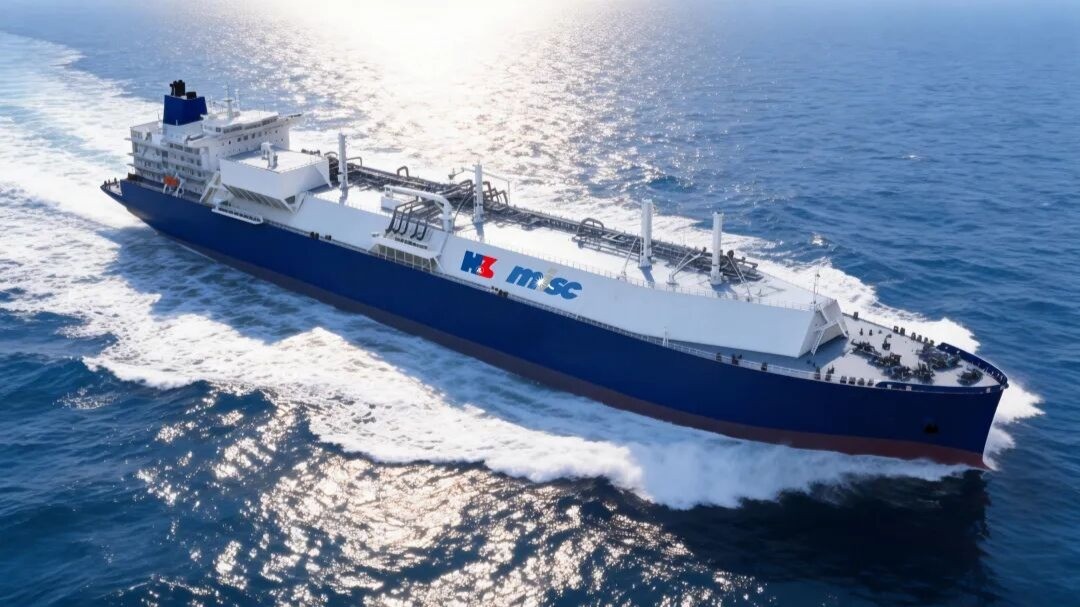
MISC Signs for Five More LNG Carriers at Hudong-Zhonghua
 Shipbuilding
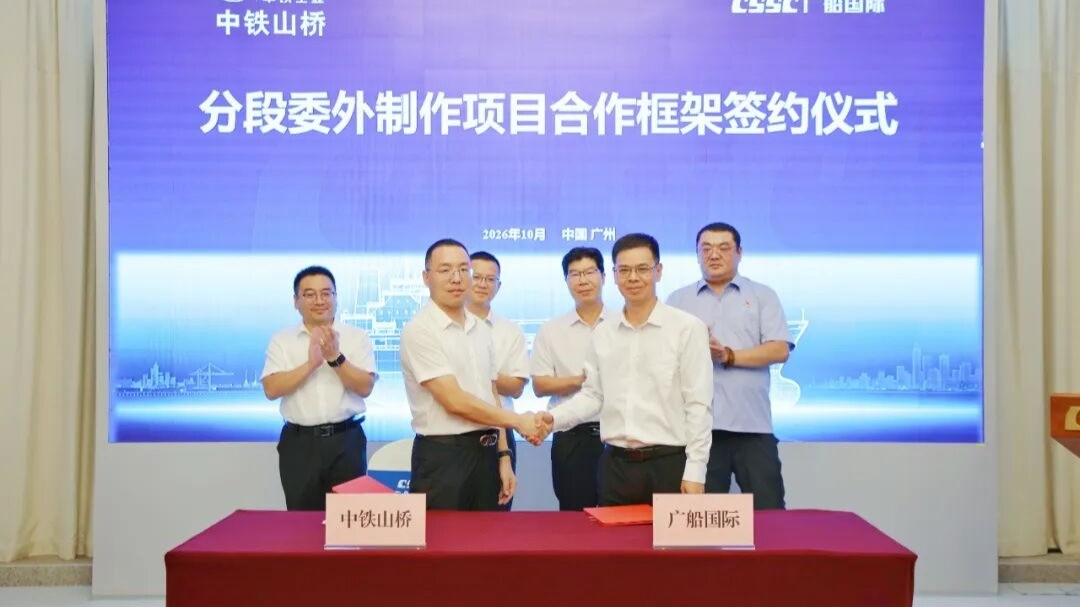
Another Chinese Bridge Builder Moves Into Shipbuilding
 Shipbuilding
Global Newbuilding Orderbook Matches 2008 Peak as Clarksons Flags Faster Fleet Growth
 Shipbuilding
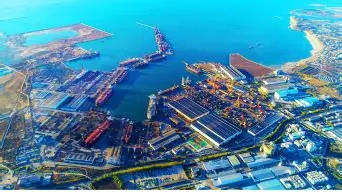
Amid China’s Shipbuilding Boom, a State-Owned Yard Quietly Enters Liquidation
 Shipbuilding
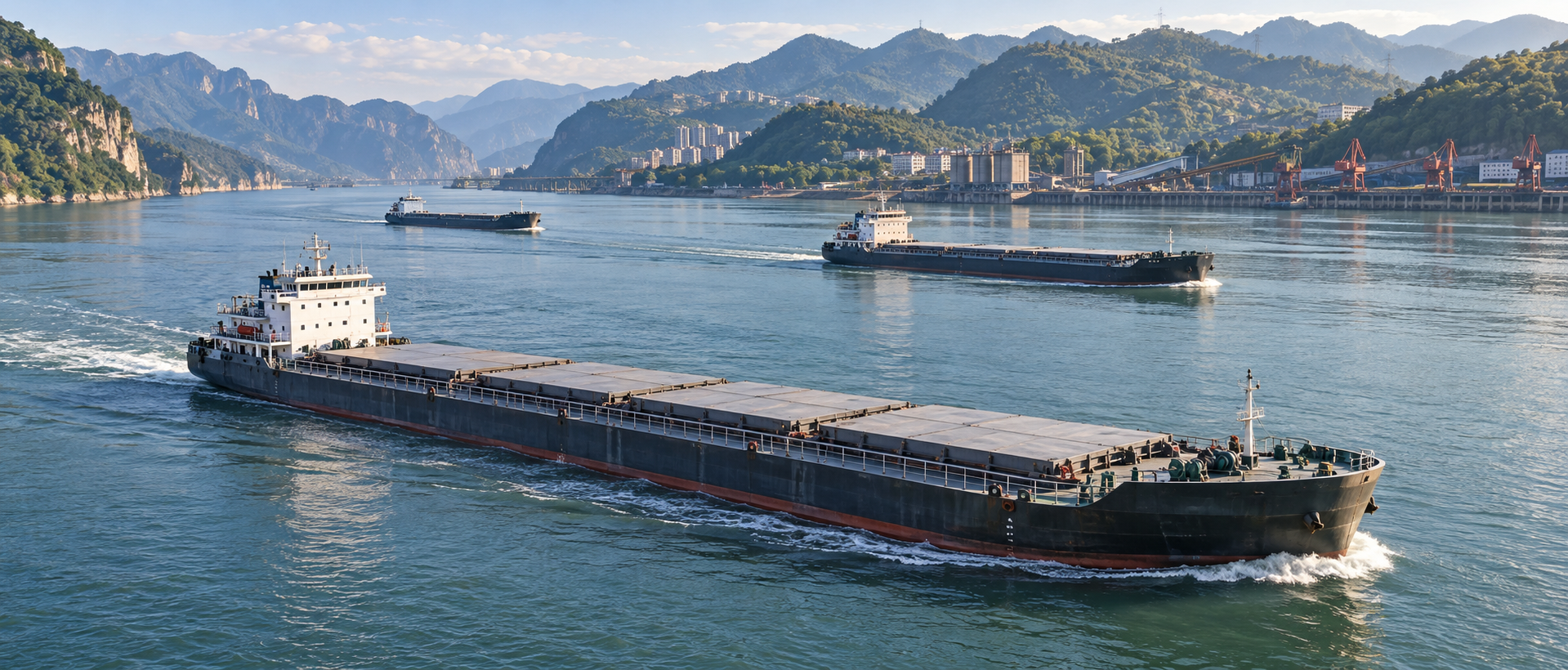
Yichang Changyun plans RMB120m inland bulker programme
 Shipbuilding
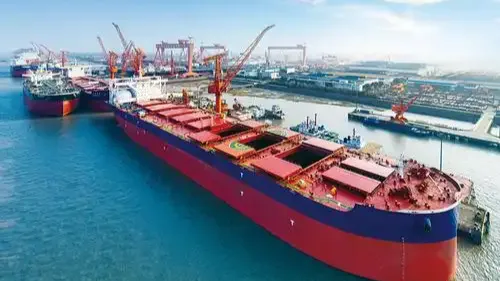
Steel Giant Shagang Eyes Shipbuilding as a Booming Market Draws Industrial Capital
 Shipbuilding
Hengli Secures 12 Tanker Orders, Retaining World’s Largest VLCC Orderbook
 Shipbuilding
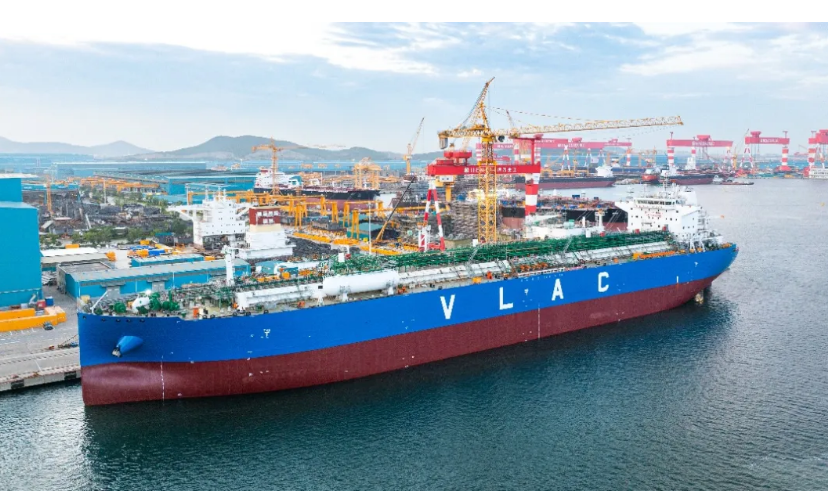
Hengli Signs 11 VLAC Contracts in One Week
 Shipbuilding