


BHP Port Workers Stage 8-Hour Strike at Port Hedland
BHP Port Workers Stage 8-Hour Strike at Port Hedland, First Major Industrial Action at Australia’s Key Iron Ore Export Hub in Decades
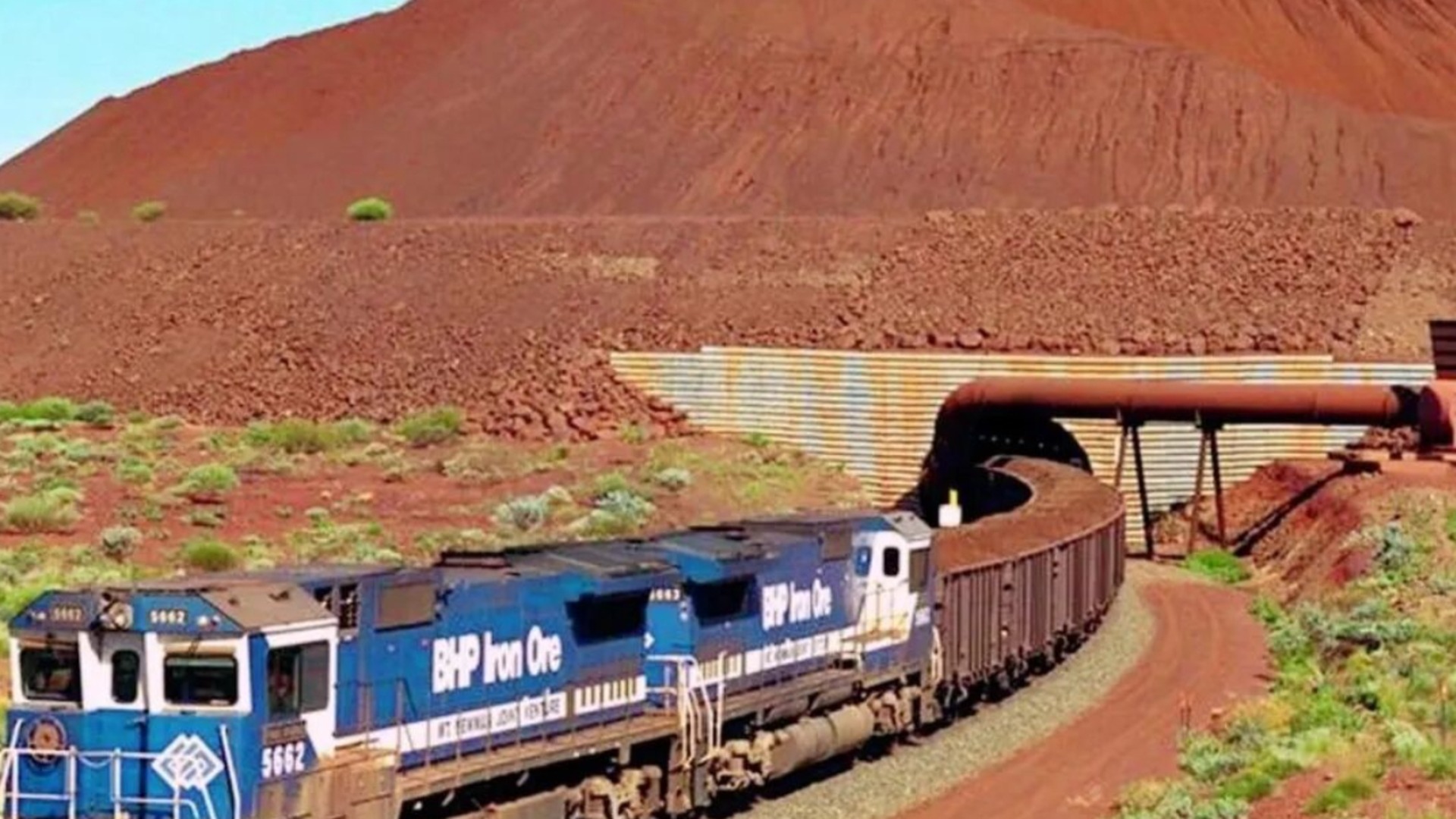

Workers at BHP’s iron ore export terminals in Port Hedland, Western Australia, launched a planned 8-hour strike on July 16 local time, following nearly six months of deadlocked enterprise bargaining negotiations. The work stoppage marks the first large-scale industrial action at the globally critical iron ore shipping hub since 2000, and stands as one of the most significant labor disputes in Western Australia’s mining sector in more than 30 years.
The strike ran from 14:00 to 22:00 local time, organized by the Combined BHP Port Unions — a coalition comprising the Electrical Trades Union (ETU), the Australian Manufacturing Workers’ Union (AMWU) and the West Australian Mine Workers’ Union. Approximately 200 employees in port operations and maintenance roles, accounting for roughly half of BHP’s on-site workforce at the Hedland terminals, took part in the protected industrial action, after the required five-day formal notification was submitted under Australian industrial relations regulations.
The labor dispute traces back to October 2025, when negotiations opened for a new four-year enterprise agreement. Core sticking points between the two sides include pay levels, equal pay for equal work, transparent job grading systems, career progression pathways and remote location allowances for staff deployed in the harsh Pilbara region.
BHP has tabled a proposal offering a cumulative 16% pay rise over four years, alongside adjusted allowance structures and a simplified pay framework. Union representatives, however, argue the offer fails to adequately reflect the value of labor under the region’s extreme operating conditions, and criticize the widespread use of individual contracts at the port that have created significant pay gaps for workers performing identical duties.
On the day of the strike, BHP activated its contingency plans and redeployed personnel to sustain minimum port operations, preventing a complete halt to vessel loading operations. Union officials have issued a clear warning that rolling 24-hour stoppages will be enacted if no substantive progress is made in upcoming negotiations. Industry estimates indicate BHP’s Port Hedland terminals export between US$56 million and US$84.1 million worth of iron ore daily, meaning a full-scale extended shutdown could cause revenue losses of tens of millions of dollars per day.
Compounding the pressure, high-voltage electrical workers across BHP’s Pilbara mining operations have also voted overwhelmingly in favor of protected industrial action, with 97.5% support. Authorized stoppages for this group range from 30 minutes to 24 hours. As the workforce responsible for maintaining the region’s core power supply network, their participation would expand disruptions across the entire iron ore production and export supply chain.
The Fair Work Commission has stepped in to mediate the dispute, with both parties scheduled to resume negotiations on July 21. The Western Australian state government has expressed confidence that the issue will be resolved within the existing industrial relations framework, and does not expect the unrest to spread to other mining operations in the Pilbara.
Market analysts note that as a pivotal node in the global seaborne iron ore supply chain, the labor tensions at Port Hedland have already drawn market attention to dry bulk shipping schedules. A prolonged breakdown in talks could trigger short-term fluctuations in global iron ore freight rates and alter regional trade flows.


READ MORE
 Dry Cargo
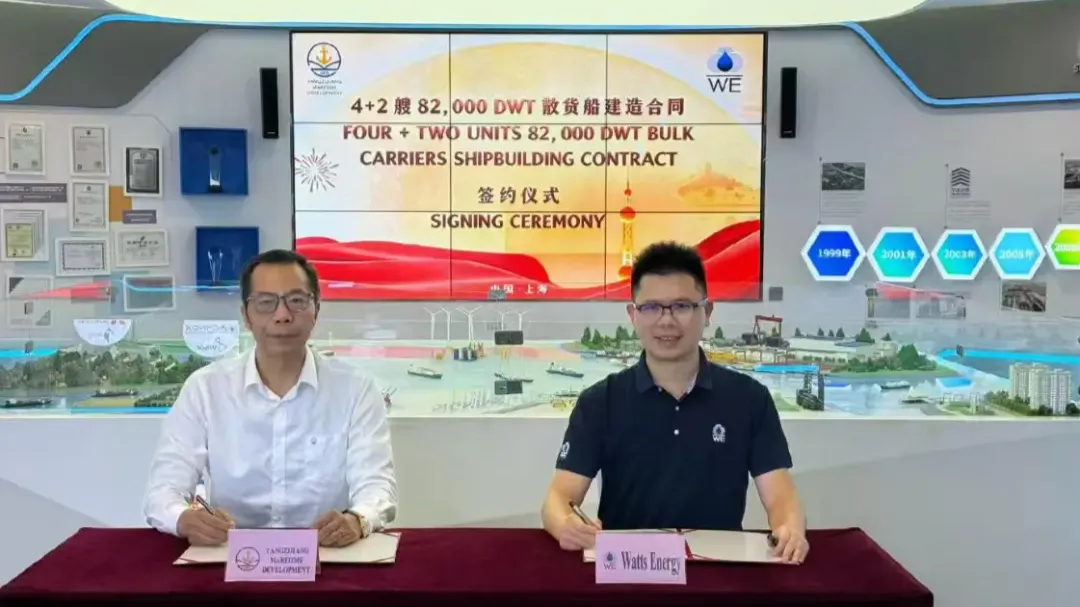
Yangzijiang Maritime Orders 4+2 Kamsarmaxes as Watts Energy Expands into Merchant Shipbuilding
 Dry Cargo
Yangzijiang Maritime linked to 4+2 Kamsarmax order
 Dry Cargo
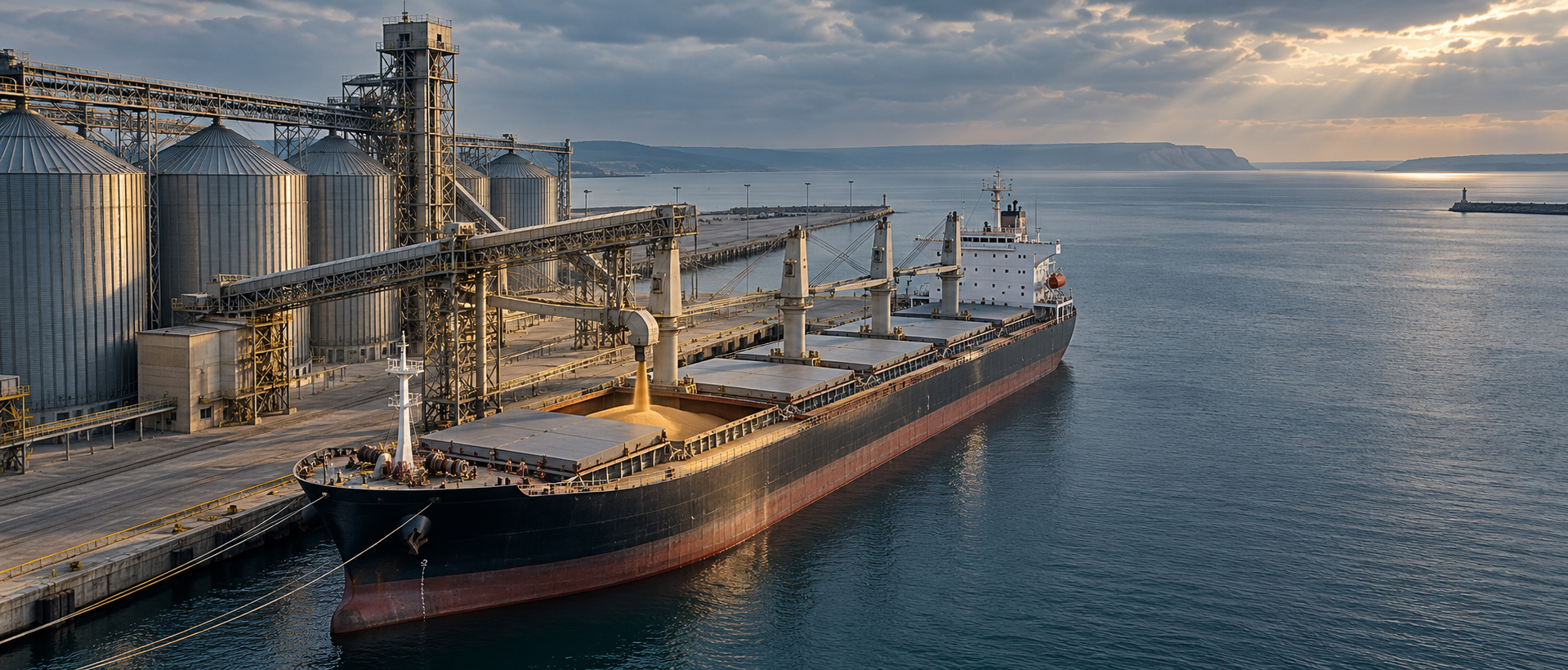
Black Sea Wheat Loadings Plunge 78% as Grain Trade Reroutes
 Dry Cargo
How Much Longer Can Dry Bulk Stay Strong?
 Dry Cargo
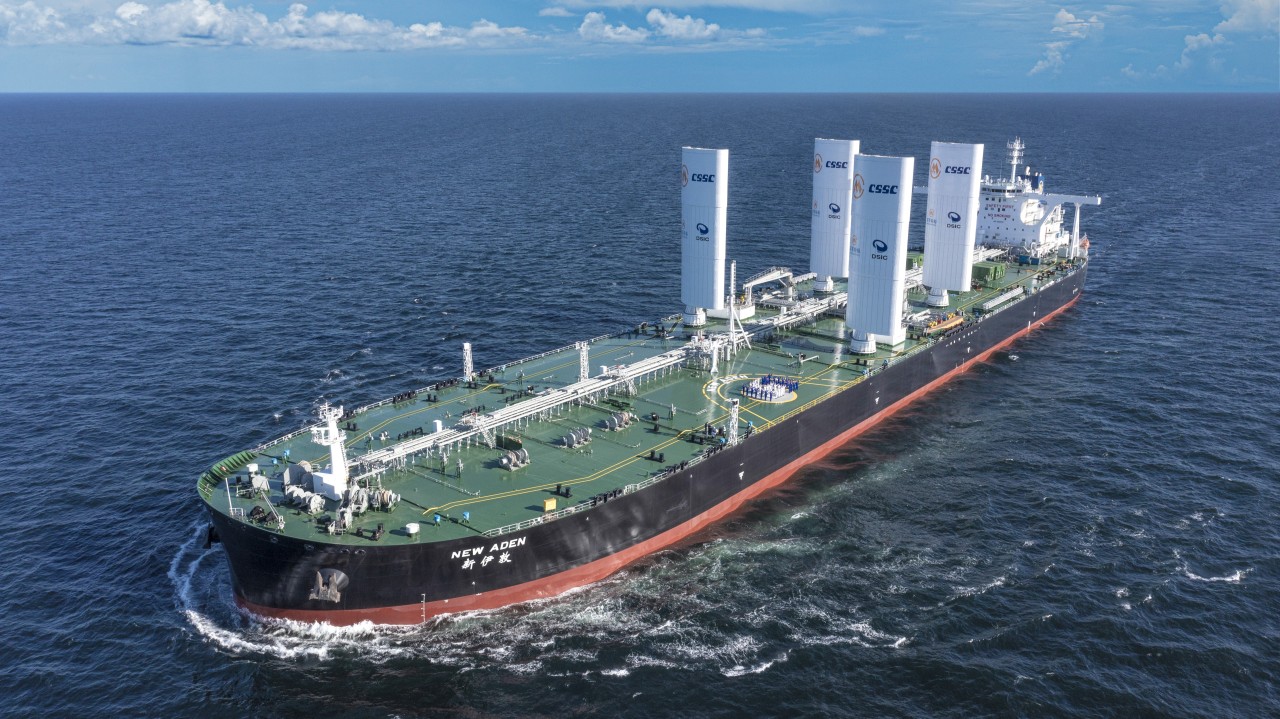
China Merchants Signs $2.8 Billion-Plus Simandou Shipping Deal
 Dry Cargo
Seaspan Enters Newcastlemax Market, with Yangzijiang Set to Build Two Tri-Fuel Ore Carriers
 Dry Cargo
Shipowners Bet on Ultramaxes: 42 Ships for Chinese Yards, Deliveries Stretch into 203
 Dry Cargo
“We Are Buying Ships”: Why Dry Bulk Is Beating Expectations
 Dry Cargo
40 Days from Brazil to China: COSCO SHIPPING Bulk’s New Grain Fleet Takes Shape
 Dry Cargo