


Misaligned charter terms lead to US$110,000 settlement against shipbroker

A mismatch in contract terms has led to a US$110,000 settlement against a shipbroker, highlighting the risks brokers face when fixtures are not clearly aligned on a back-to-back basis when fixing charter parties.
According to International Transport Intermediaries Club (ITIC), a shipbroker was instructed by their principal to source a ship under a Contract of Affreightment (COA). Following a nomination by the trader, the broker identified a suitable ship, introduced the principal to the owner, and a voyage charter was agreed shortly afterwards.
However, after the fixture was concluded, it became clear that the terms of the head COA and the voyage charter were not fully back-to-back as the charterer had expected. While the voyage charter required the charterer to nominate load and discharge ports and confirm rotation within five days of loading, the head contract placed no such limitation on the trader.
Initially, the trader complied with the five-day requirement, but later exercised their contractual right under the head agreement to amend the port rotation. When this revised rotation was passed on to the shipowner, the owner refused to proceed unless an additional payment of US$200,000 was made.
With no practical alternative available, the voyage charterer paid the additional sum and incurred a loss on the voyage. A claim was then brought against the shipbroker on the basis that they had failed to ensure the contracts were back-to-back.
ITIC supported the shipbroker, arguing that no explicit instruction had been given to make the contracts back-to-back. The principal maintained that such alignment should have been “obvious”, although their own legal team later accepted that this point could be open to challenge if the matter proceeded further.
A commercial settlement was ultimately agreed at US$110,000.
Mark Brattman, Claims Director at ITIC, commented: “This case underlines how easily gaps can arise between related contracts, even in transactions that are perceived as straightforward. Where obligations are not mirrored, parties can find themselves exposed to unexpected liabilities.”
“Parties should be mindful that assumptions about what is ‘obvious’ may not stand up under scrutiny. Clear instructions and careful review of contractual terms remain essential in managing risk and limiting exposure to legal disputes.”

Caption: Mark Brattman, Claims Director at ITIC
Image credit: ITIC


READ MORE
 Dry Cargo
Wooyang orders four triple-fuel Newcastlemax bulkers at China’s New Times for Vale contracts
 Dry Cargo
Shipowners Are Raising Capital to Buy Ships Again: Safe Bulkers Signals Dry Bulk’s Shift from Freight Recovery to Asset Expansion
 Dry Cargo
NORDEN Shows Why Ships Alone Are No Longer Enough
 Dry Cargo
40 Days from Brazil to China: COSCO SHIPPING Bulk’s New Grain Fleet Takes Shape
 Dry Cargo
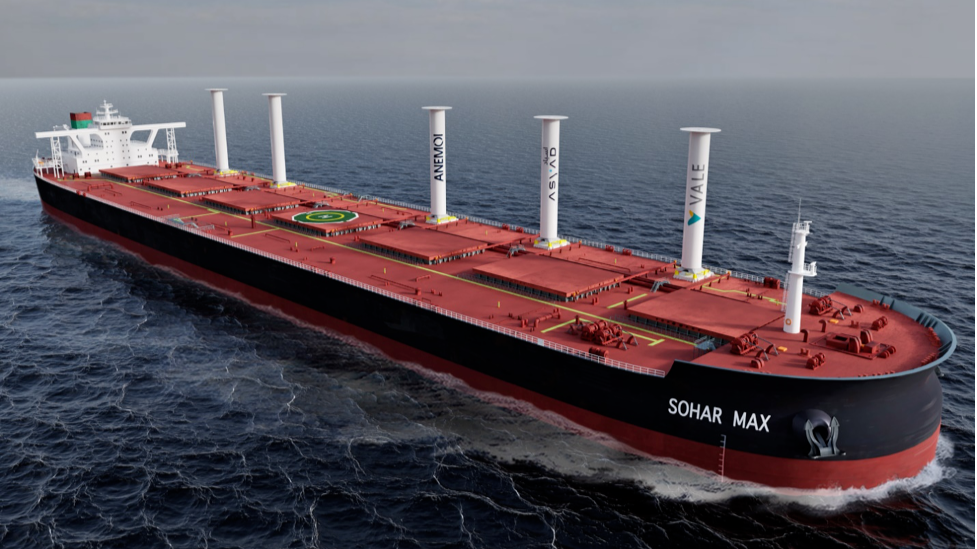
Vale’s 30-Vessel Triple-Fuel Ore Carrier Plan Takes Shape as 25-Year Contracts Reshape Iron Ore Shipping
 Dry Cargo
HMM Locks in $3.5bn Vale Iron Ore Deal for Eight Triple-Fuel Newcastlemaxes
 Dry Cargo
Capesize Rates Hit Highest Since 2021 as Strength Spreads Into Asset Values and Newbuildings
 Dry Cargo
Cetus Maritime Prepares for IPO: 13-Vessel Deal and 70% Equity Payment Could Open a New Chapter for the Handysize Giant
 Dry Cargo
Cetus Maritime Eyes 13-Vessel Expansion as Seacon Deal Points to Pre-IPO Consolidation
 Dry Cargo