


Another Chinese Battery Manufacturer Moves into Electric Vessels

The electric vessel sector is attracting growing attention from Chinese power battery manufacturers, as more companies move beyond automotive and energy storage applications into maritime electrification.
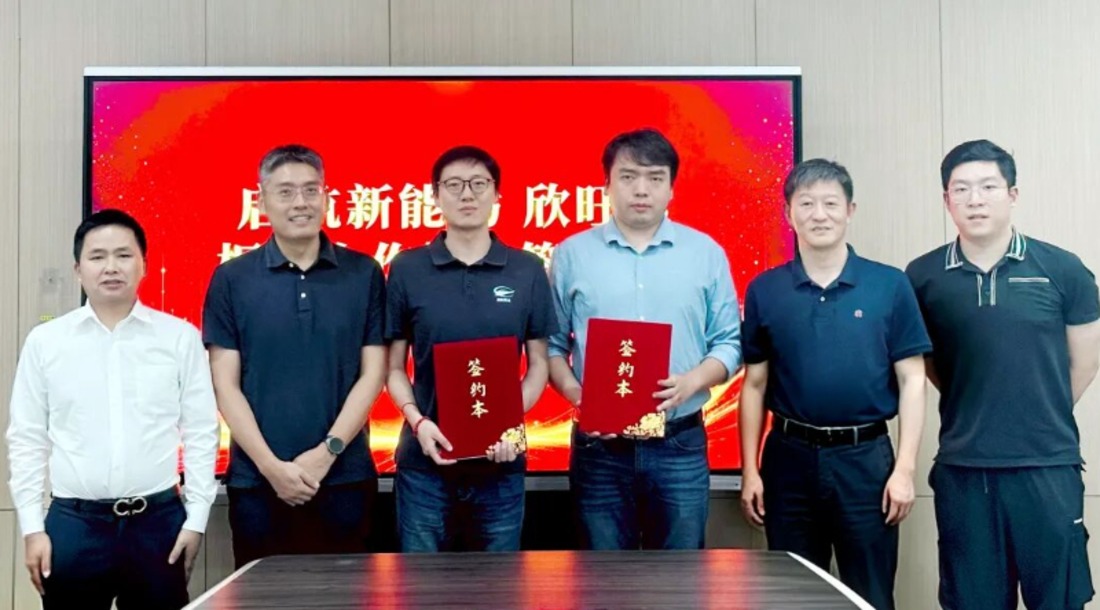
Sunwoda Electronic Co., Ltd. has recently signed a framework cooperation agreement with Zhuhai Qihang New Energy Technology Co., Ltd. Under the agreement, the two sides will focus on the electric vessel market and cooperate in product supply, market channel development and project implementation, with the aim of promoting the wider application of electric vessels in inland waterway transport, sightseeing tourism, public service and law enforcement scenarios.
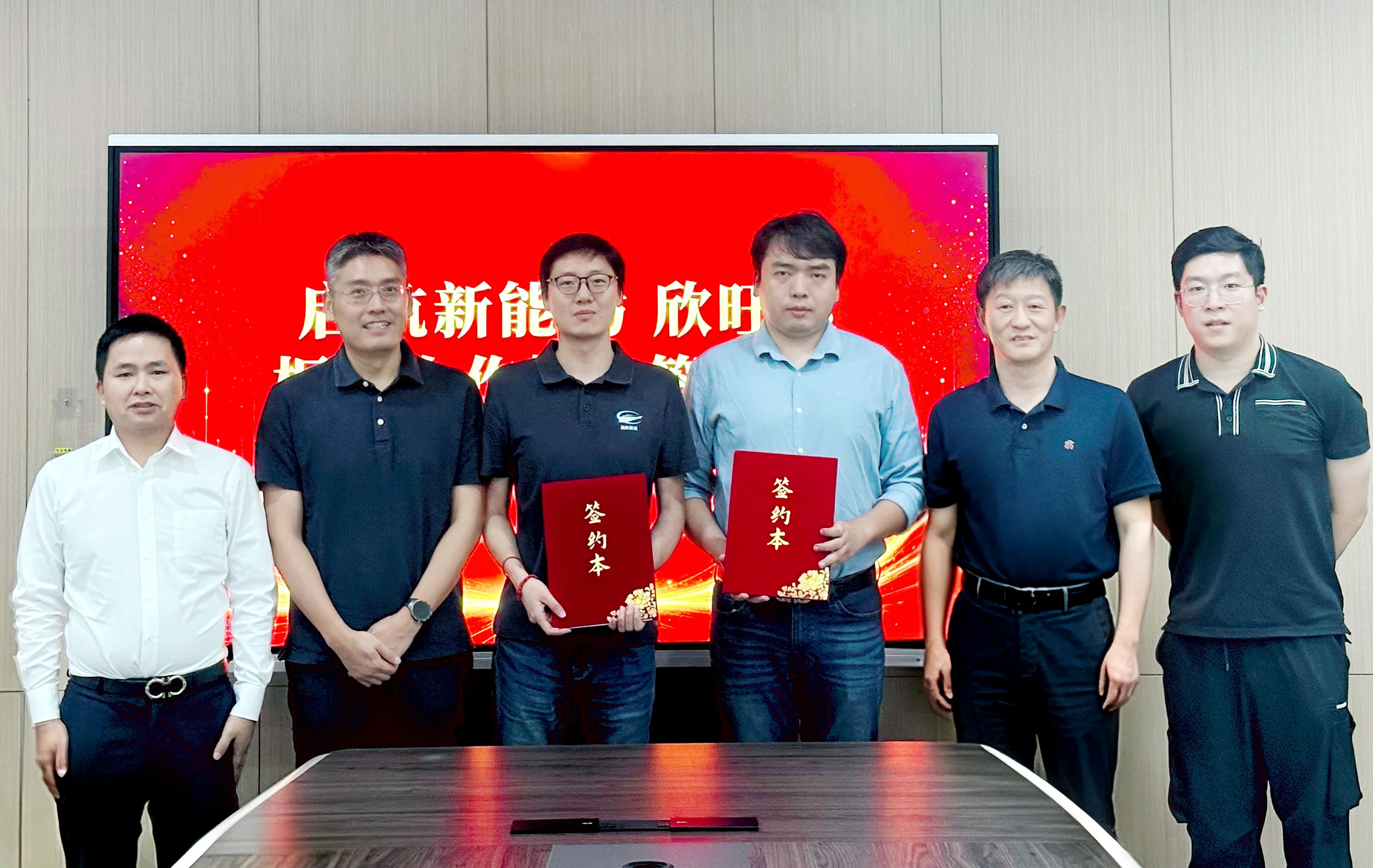
According to the cooperation arrangement, Sunwoda and Qihang New Energy will become ecosystem partners in the electric vessel sector. The two companies will jointly identify market demand, develop projects and, when needed, share information and conduct technical exchanges on industry trends, technical standards and safety requirements.
This means the cooperation will not be limited to battery product supply. It is expected to extend further into electric vessel project development, system integration and standardized industry application.
Sunwoda is one of China’s major lithium-ion battery companies, with a strong foundation in consumer batteries, power batteries and energy storage systems. In the marine battery segment, the company has launched a 314Ah energy-type solution and a 268Ah power-type solution for different vessel types and operating requirements. The 314Ah solution is designed to meet long-endurance requirements for sightseeing vessels and inland cargo vessels, while the 268Ah solution is more suitable for law enforcement boats, workboats and other vessels requiring high-rate discharge and fast charging.
Qihang New Energy is a new energy vessel technology company initiated by an enterprise under the State Power Investment Corporation. Its business covers new energy vessel design, supervision, power system integration and core equipment manufacturing. The company has capabilities in electric vessel system development and testing. Its Level-2 onshore integrated commissioning laboratory in South China is expected to be put into operation soon. The company has also been deeply involved in the preparation of China’s new energy vessel technology roadmap and several industry standards.
The cooperation between Sunwoda and Qihang New Energy is highly complementary. Sunwoda provides battery R&D, manufacturing and industrialization capabilities, while Qihang New Energy brings vessel electrification system integration, project development and maritime engineering experience. For the electric vessel industry, cooperation between battery makers and vessel system integrators is becoming an important path for moving projects from concept to real operation.
Over the past few years, discussions around shipping’s green transition have largely focused on alternative fuels such as LNG, methanol, ammonia and biofuels. However, in inland transport, ferry services, port operations, public service vessels, sightseeing vessels, short-distance ro-ro and some coastal feeder scenarios, battery-powered vessels have already entered commercial operation.
These scenarios share several common features: relatively fixed routes, frequent port calls, controllable voyage distances and easier access to shore-side charging or battery-swapping infrastructure. Compared with large ocean-going containerships, VLCCs or Capesize bulk carriers, electric propulsion is easier to commercialize first in short-distance, high-frequency and regional operating environments.
Sunwoda is not the only Chinese battery company accelerating its entry into the marine battery market.
On May 13 this year, BYD Energy Storage signed a strategic cooperation agreement with Norwegian marine battery company Corvus Energy AS. The two sides will cooperate on the development, certification and market promotion of high-rate lithium iron phosphate marine battery systems. The partnership combines BYD’s strengths in battery manufacturing and energy storage systems with Corvus Energy’s experience in marine system integration, class certification and international maritime markets. It is widely seen as an important step for BYD to further expand into the global vessel electrification market.
At the same time, BYD’s marine battery products have already been applied in certain maritime patrol vessels, ro-ro vessels and other projects. The company is continuing to build its presence across the vessel electrification value chain.
CATL has made an earlier and more systematic move into vessel electrification. In December 2025, CATL Electric Vessel Technology, a subsidiary of CATL, launched its “ship-shore-cloud” zero-carbon shipping and smart port-navigation integrated solution. The solution integrates onboard battery systems, shore-based charging and swapping networks, cloud-based dispatching, remote monitoring, energy management and port-shipping coordination into one system. According to CATL, since entering the marine market in 2017, it has delivered nearly 900 electric vessels, with applications covering inland cargo transport, coastal passenger transport and auxiliary ocean-going vessel operations.
EVE Energy is also one of the Chinese battery companies that entered the marine battery sector relatively early. According to its public information, as of August 2023, EVE Energy’s marine power batteries had been installed on 429 vessels, with cumulative shipments exceeding 200MWh. Its marine power battery products cover cells, battery packs and battery systems, and have obtained certifications from classification societies including CCS, DNV and ABS.
CALB is also accelerating its marine battery business through its “Zhiyuan” marine battery series. COSCO SHIPPING’s pure electric containerships, “COSCO SHIPPING Green Water 01” and “COSCO SHIPPING Green Water 02”, are both equipped with CALB containerized batteries. Such projects are helping advance the practical application of the “containerized battery + battery swapping + river-sea direct transport” model.
The commercial boundary of electric vessels is also expanding. On April 15, 2026, Ningbo Ocean Shipping’s “Ning Yuan Dian Kun” departed from the Beilun port area of Ningbo Zhoushan Port for its maiden voyage and entered service on the Ningbo-Zhapu route. The vessel is 127.8 meters long and 21.6 meters wide, with a capacity of 742 TEU. It uses 10 standardized containerized batteries as its core power source, with total energy storage capacity of about 20,000 kWh. The project is regarded as an important exploration of pure electric propulsion in China’s coastal container shipping sector.
Marine batteries are becoming a new growth track for Chinese power battery companies. Through the development of China’s new energy vehicle industry, battery makers have already built strong advantages in large-scale manufacturing, cost control, cell R&D and supply chain coordination. Once they enter the vessel market, however, the focus of competition expands further into maritime engineering capabilities, classification society certification, system safety design, shore-side charging infrastructure and global service networks.
At the current stage, battery power is still unlikely to fully replace conventional fuel systems for large ocean-going vessels. But in inland shipping, coastal operations, port services and short-distance passenger and cargo transport, electric vessels have already shown strong commercial potential.
As battery safety technology improves, containerized battery-swapping models expand, shore-side charging networks become more complete, and class certification and digital port-shipping management systems mature, the electric vessel value chain is expected to enter a faster development phase. Chinese battery companies are likely to gain greater influence and market share in this process.
For the shipping industry, green transition is not only taking place in the search for methanol, ammonia and other alternative fuels for ocean-going vessels. It is also being implemented first through battery power in inland, port and short-distance transport scenarios.
For Chinese power battery manufacturers, the vessel market is becoming another long-term strategic field after new energy vehicles. Competition in this market is no longer limited to battery cells themselves. It is increasingly becoming a comprehensive contest of system integration, operational services and global certification capabilities.

READ MORE
 Sustainability
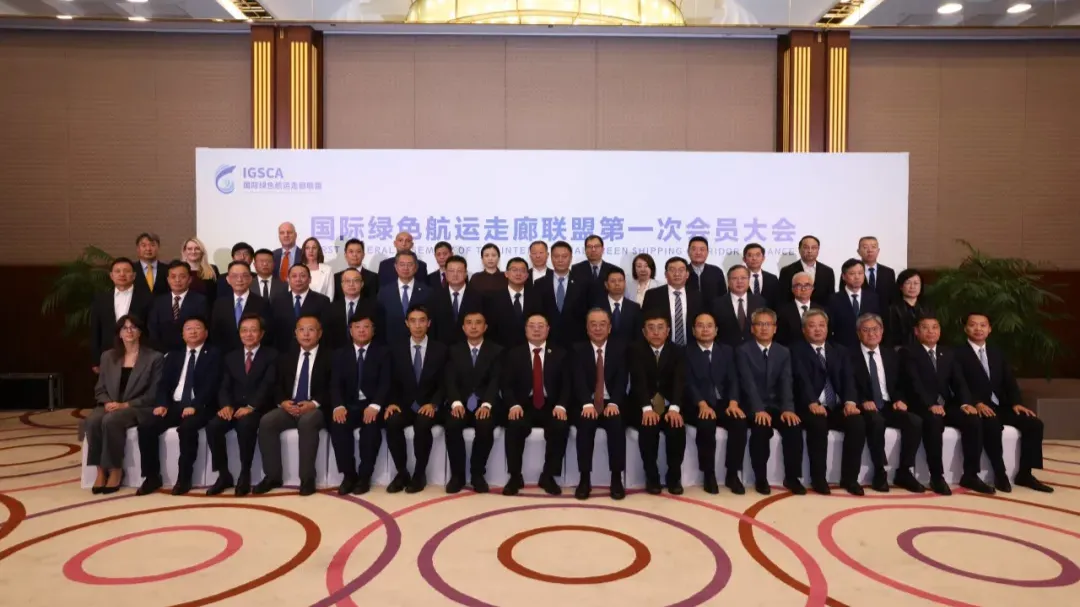
COSCO , CMA CGM and SIPG Join Launch of International Green Shipping Corridor Alliance
 Sustainability
Zero-Emission-Capable Ship Orders Slide as IMO Uncertainty Weighs on 2030 Target
 Sustainability
Fueling Now and the Future: IBIA Hong Kong Forum on Alternative Marine Energy
 Sustainability
Fleet Management Lights Up Anchor Plaza in Blue for World Maritime Day 2026
 Sustainability
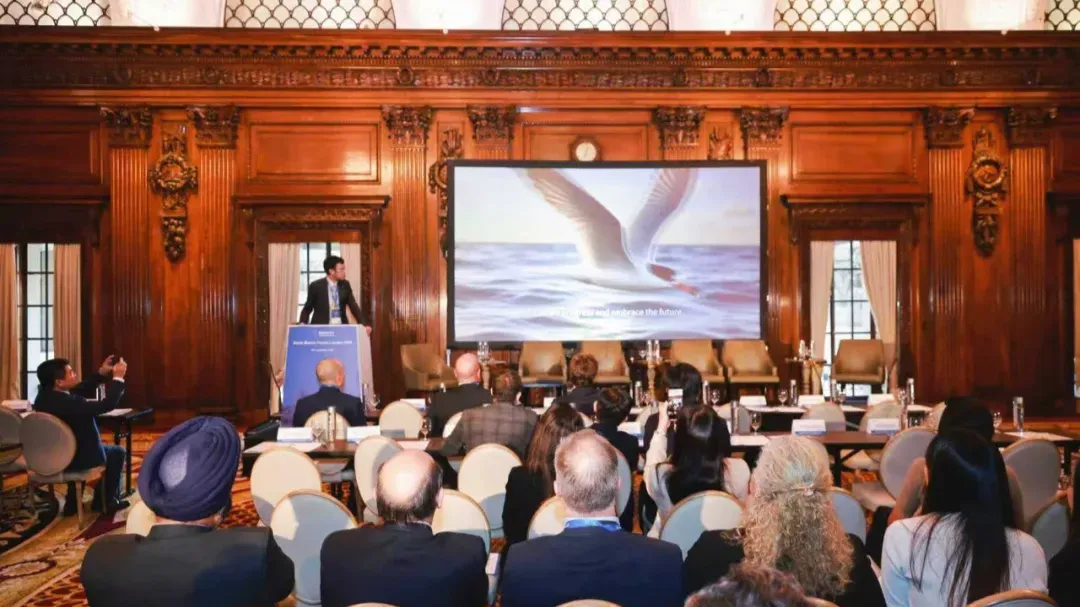
WMMF 2026 Promotional Film Debuts in London
 Sustainability
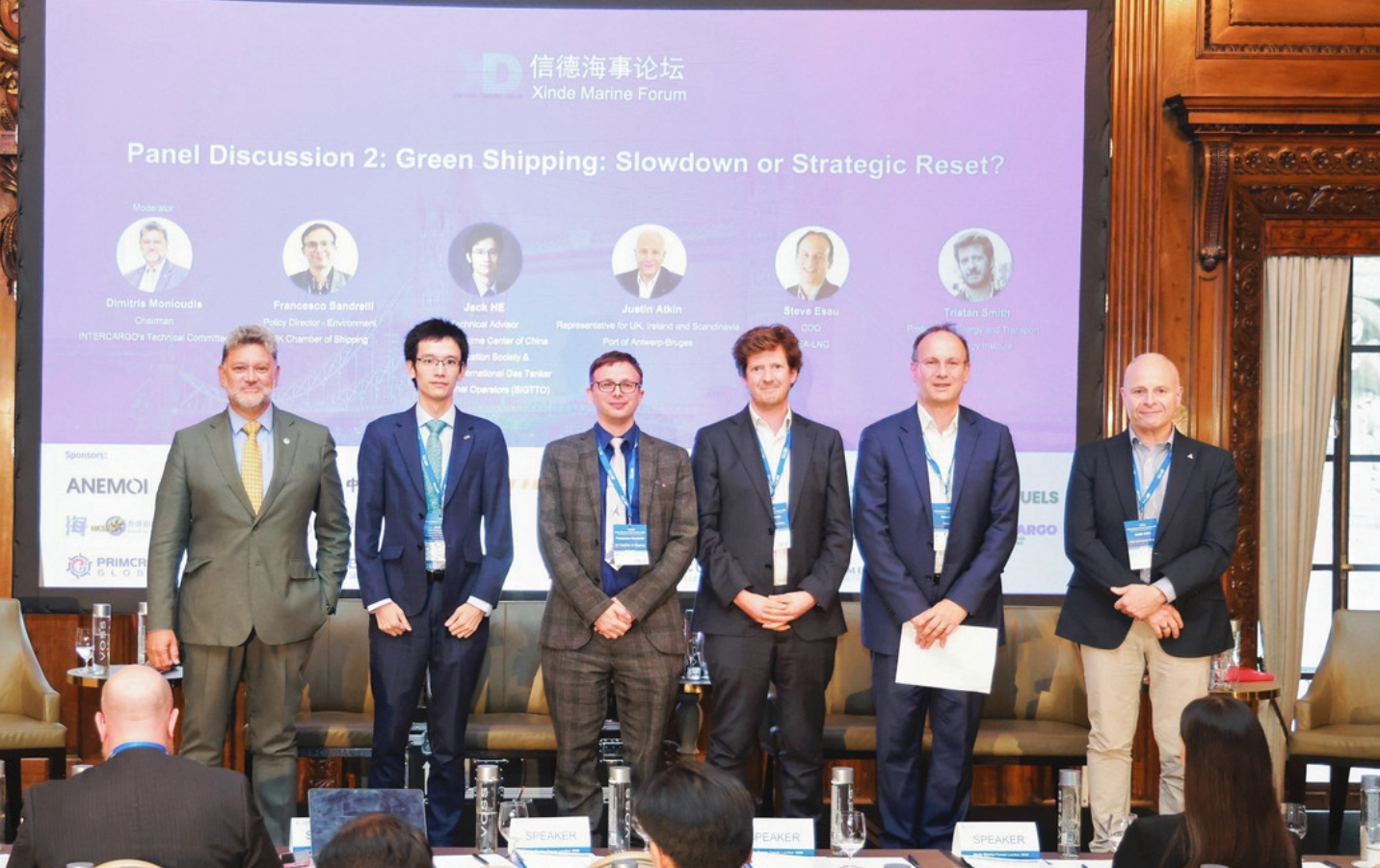
Xinde Marine Forum London 2026: Green Shipping Enters a Strategic Reset
 Sustainability
Shipping Has a Net-Zero Target — but Still Lacks the Rules to Deliver It
 Sustainability
Chimbusco completes first ammonia bunkering operation
 Sustainability
324 days ahead of schedule — another milestone for China’s shipbuilding industry
 Sustainability