


How Can Shipowners Survive and Invest in a Geopolitical Storm? | LinkedIn

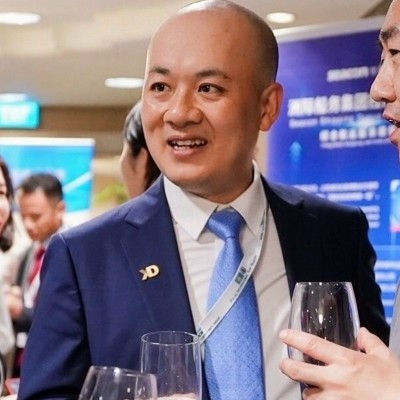
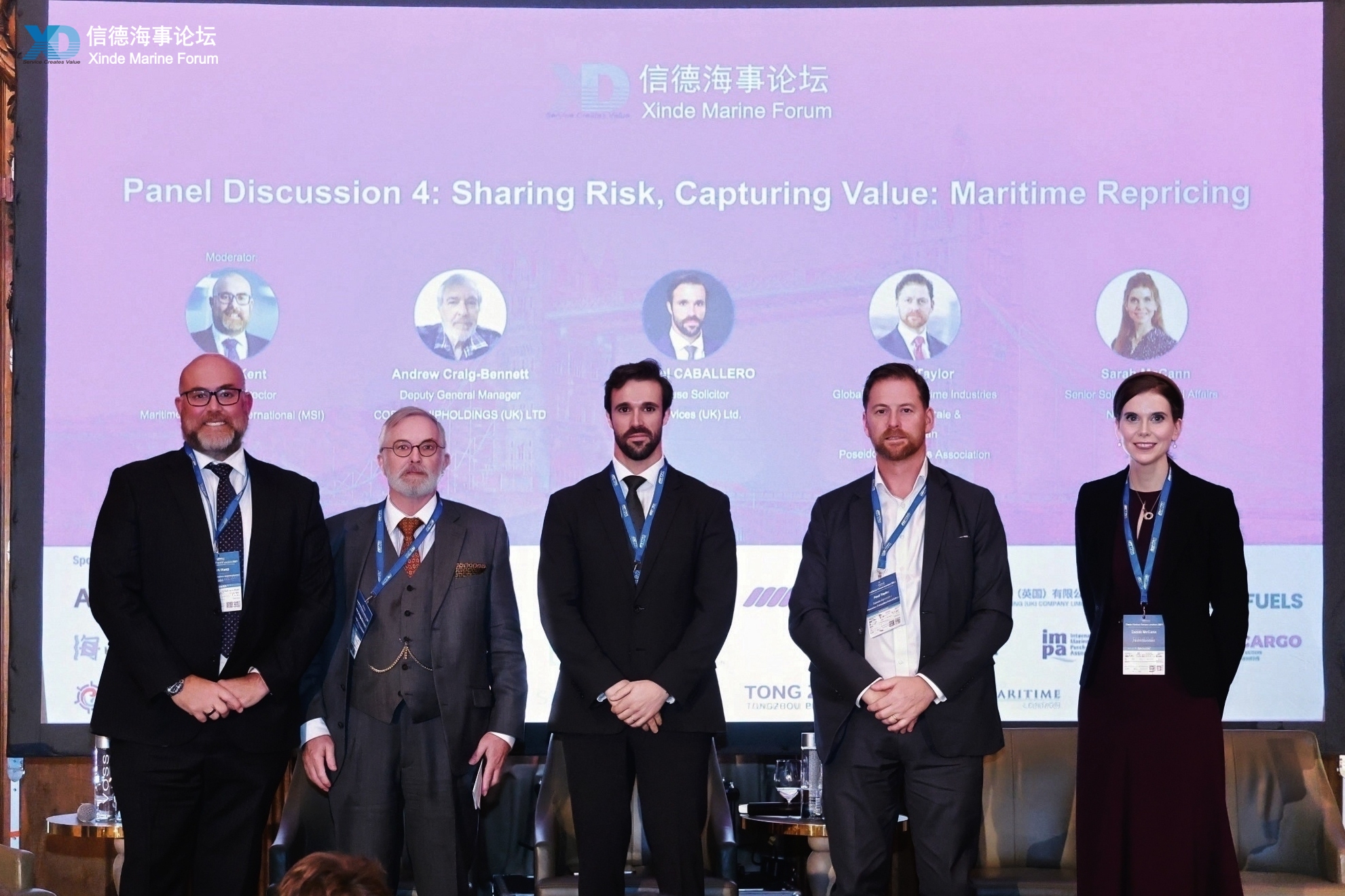
Xinde Marine News, Greece — At the TradeWinds Shipowners Forum Greece 2026, held during this year’s Posidonia week, the opening panel asked a question that has become increasingly urgent for global shipping: how can shipping operate and invest successfully amid geopolitical chaos?
The panel was moderated by @Julian Bray, Editor-in-Chief of TradeWinds . Speakers included @Paul Pathy, President of BIMCO and CEO of Fednav; @Charis Plakantonaki, Chief Strategy Officer of Star Bulk Carriers; Costas Delaportas, President and CEO of DryDel Shipping; James Lewis, Vice President, Global Operations at Cargill Ocean Transportation; and Rolf Westfal-Larsen Jr., CEO and Chair of Westfal-Larsen Management and Chair of INTERTANKO.
The discussion showed how far shipping has moved from a conventional market-cycle conversation. Geopolitics is no longer background noise. It has become a commercial fact. Ships, cargoes, bunkers, insurance, charterparties, financing and asset values are all being repriced by war, sanctions, tariffs, regulatory fragmentation, national security concerns and the rise of the shadow fleet.
For shipowners and charterers, the old questions remain important: How many ships are available? How much cargo is moving? Where are freight rates heading? But they are no longer enough. The industry now also has to ask which trade lanes may be disrupted by conflict, which cargoes may be caught by sanctions, which flags or insurers may create risk, which counterparties can be trusted, and whether a vessel will remain liquid if the rules change overnight.
The fastest-changing factor is speed
At the start of the discussion, Julian Bray framed the issue clearly. Shipping is no longer dealing only with strategic theory. It is dealing with commercial reality. Conflict, sanctions, fragmented trade and energy security are directly affecting how vessels operate, how cargoes move and how companies manage risk.
From the perspective of a major charterer and commodity shipper, James Lewis said that shipping has become used to shocks over the past several years. What has changed most is speed.
Events move faster. Policy shifts arrive more suddenly. Customers need answers more quickly. Routing decisions, chartering choices and contingency planning all have to be adjusted at a faster pace.
For Lewis, the answer is flexibility. That flexibility has to be built into chartering arrangements, customer portfolios, shipowner relationships, business lines, people and internal decision-making. When Red Sea risk, Hormuz disruption, trade barriers or other shocks emerge, companies must be able to speak quickly with shipowners, customers and internal teams to find workable alternatives.
This is a central pressure for a group such as Cargill Ocean Transportation. Its role is not simply to identify the highest-paying freight market. It has to keep cargo moving through uncertainty. Customers still expect solutions, even when the operating environment is unclear.
That is changing the relationship between shipowners and charterers. Shipping is moving from a pure transport service toward a problem-solving function inside global supply chains.
Dry bulk still has fundamentals, but macro risk cannot be ignored
Charis Plakantonaki of Star Bulk argued that geopolitics is no longer just an operational disturbance. It is redefining markets.
Over recent years, shipping has dealt with the US-China trade war, Covid, the war in Ukraine, Red Sea disruption and wider risks around strategic sea lanes and energy supply. These events have altered cargo flows, extended voyages and created inefficiencies. They have also supported freight markets in several sectors.
But Plakantonaki stressed the need to distinguish between two types of market upside: earnings supported by geopolitical disruption, and earnings supported by market fundamentals.
For dry bulk, the geopolitical boost exists, but the sector does not depend entirely on war and rerouting. Even if conflicts were to ease relatively soon, she sees solid dry bulk fundamentals. Fleet growth remains moderate. Ageing tonnage and recycling remain relevant. Demand is supported by traditional commodities such as iron ore, coal and grain, as well as emerging trade flows linked to projects such as Simandou and bauxite exports.
At the same time, prolonged conflict could become negative. If it drives energy prices higher, fuels inflation and damages the global economy, dry bulk demand would eventually suffer.
Her view is balanced: short-term disruption can support ton-miles, but long-term macro deterioration would hurt the market.
That explains Star Bulk’s investment discipline. Plakantonaki said the company is not chasing expensive recent-delivery vessels or overheated secondhand tonnage. It prefers to preserve cash and wait for asset prices to realign with underlying fundamentals. For a large listed dry bulk owner, the hotter the market becomes, the more important discipline becomes.
“Cargo is the game”
Costas Delaportas of DryDel Shipping took a more operational view. In a highly uncertain market, he said, the most important tools are efficient assets and cargo access.
DryDel has expanded significantly with a young and efficient fleet, with a strong focus on modern Japanese-built vessels. Delaportas said efficient ships give an owner a stronger position when markets become difficult. They consume less fuel, are more attractive to quality charterers and can compete better across different market conditions.
But good ships alone are not enough.
For Delaportas, the key in dry bulk remains cargo. His repeated message was simple: cargo is the game.
Owners need to stay close to cargo, understand where demand is emerging, maintain global operating offices and reposition ships quickly when trade flows change. DryDel controls a large number of cargoes each year and monitors hundreds of cargo opportunities through its worldwide offices. That gives the company more room to adjust when geopolitical disruption changes the map.
This is a different model from a purely asset-holding approach. In dry bulk, owning ships is only part of the business. Understanding cargo, staying near cargo and being able to match cargo with ships quickly are becoming strategic capabilities.
Delaportas also highlighted flexibility. Shipowners must try to avoid high-risk areas, but ships cannot fully avoid geopolitical risk. Rules can change overnight. Contracts, insurance, port access and employment options may all be affected. Companies need commercial structures and operating teams that can keep executing when the framework changes suddenly.
Global trade will not end, but it will become less efficient
Paul Pathy, President of BIMCO and CEO of Fednav, looked at the issue from a broader global trade perspective.
He does not believe global trade will end. Regional conflicts, trade barriers and political friction may persist, and some disruptions may last for years. But cargo will still move. The global economy will continue to seek lower-cost and more efficient solutions.
From his perspective as a Canadian shipowner and BIMCO president, Pathy sees US-China dynamics in pragmatic terms. China tends to think in longer-term planning cycles. US policy can shift more rapidly. Yet both countries remain deeply connected to commercial logic. Capital, cost, supply and demand will continue to push trade toward solutions.
However, continued trade does not mean unchanged efficiency.
Pathy said shipping is absorbing more inefficiency. Vessels wait longer, reroute, reposition, or remain outside sensitive areas while the market assesses risk. These delays and risk premiums increase costs, and those costs eventually flow through to consumers.
He also offered a useful reframing of shipping’s value. In the past, the industry often presented itself as the most efficient way to move cargo. In today’s more complex world, shipping is increasingly telling customers: we will help solve your problem and get the cargo there.
That shift matters. Customers are not buying only tonnage or freight capacity. They are buying the ability to manage complexity.
In his closing advice, Pathy said companies should manage shipping like an investment portfolio. Match risk with reward, diversify, and maintain conservative financial management. Excessive concentration in one market, one asset class or one type of exposure can become dangerous when the cycle turns.
The shadow fleet threatens more than the tanker market
As Chair of INTERTANKO, Rolf Westfal-Larsen Jr. raised strong concerns about the shadow fleet.
He described it as a major threat to international shipping. The problem began largely around tankers and sanctioned trades, but it now touches the integrity of the global maritime regulatory system, as well as safety, security and environmental protection.
Westfal-Larsen said the vast majority of owners are compliant and responsible. But if part of the world fleet operates outside the rules, the entire industry suffers. If regulation becomes tighter without proper enforcement, more ships and cargoes may migrate into parallel systems outside normal oversight.
That creates safety risk, pollution risk and unfair competition. It also weakens the incentive for responsible owners to invest.
He called for stronger enforcement, including port state control, flag state responsibility and closer scrutiny of substandard vessels. Recent inspections and boardings of suspicious tonnage are steps in the right direction, but the system still needs more consistent international cooperation.
For Westfal-Larsen, the key is that all players should operate under the same rules. If part of the fleet can operate outside the system indefinitely, the market becomes distorted and regulatory credibility is damaged.
He also stressed the importance of contractual flexibility. In today’s market, force majeure clauses, sanctions clauses, rerouting provisions and other contractual protections are becoming more important. If the regulatory framework changes suddenly, owners and charterers need room to respond. As the moderator joked, good customers and good lawyers are both becoming more important.
Collaboration is difficult, but the industry needs a stronger common voice
The panel also discussed collaboration. Shipping has talked about collaboration for years, but turning that aspiration into practical action remains difficult.
Pathy said he strongly supports more industry dialogue. Many problems become easier to solve when different parts of the industry talk to each other. At an international level, this is hard. Countries, regulators, owners, charterers, financiers and insurers all have different interests. Still, industry associations and a collective industry voice remain meaningful.
James Lewis pointed to Cargill’s involvement in collaborative initiatives such as the Sea Cargo Charter. He said transparency and information-sharing are still valuable. Dozens of major global companies are working together to improve reporting, share lessons and raise standards around emissions and fleet efficiency.
The commercial realities of shipping will always matter. Companies need to make money. But efficiency improvements often lead to cost savings, which can support both sustainability goals and the bottom line. Lewis sees continued willingness among major companies to share information, learn from each other and improve.
Plakantonaki also highlighted the importance of industry organisations in a fragmented world. Shipping operates across different sanctions regimes, legal systems and enforcement standards. Owners, charterers, bunker suppliers, insurers and banks do not always have aligned interests. Industry bodies cannot remove fragmentation, but they can provide information, guidance and a forum for coordination.
After the invasion of Ukraine, shipping had to deal with different sanctions from the US, UK and EU. In that environment, the more information and guidance companies receive, the better they can reduce compliance risk and operate efficiently.
Do not put all your eggs in one basket
In the final round, panelists were asked for one key piece of advice for managing the future.
Pathy pointed to rising friction and inflationary pressure as major risks. Wars, sanctions, regulations, rerouting and trade barriers all add cost. His recommendation was to manage shipping companies like portfolios: match risk and reward, diversify and keep financial management conservative.
Lewis, speaking from the charterer side, also emphasized risk management and flexibility. Companies need diversified customer portfolios, diversified shipowner relationships and diversified business lines. They also need to upskill their people so teams can respond quickly as the pace of change accelerates.
Westfal-Larsen repeated the classic rule: do not put all your eggs in one basket. As a private company, Westfal-Larsen has exposure outside shipping as well. Within shipping, contractual flexibility is becoming critical. Force majeure, sanctions and other protective clauses can provide room to move when the rules suddenly change. Reliable customers also matter in difficult situations.
Delaportas returned to efficiency. Efficient investments, efficient vessels and proximity to cargo are the foundation of resilience. Young, fuel-efficient ships, global offices and cargo control give DryDel more flexibility when markets shift.
Plakantonaki emphasized the balance sheet. Companies should maintain low net debt, strong liquidity and competitive costs. This gives them the ability to enjoy spot upside when markets are strong, survive downturns when markets weaken, and buy assets when prices normalize. She also stressed the importance of good people who can make sound risk-reward decisions.
Xinde Marine View: shipping is becoming a problem-solving industry
The TradeWinds discussion delivered a clear message: today’s shipping market cannot be explained only through traditional cycle language.
In the past, shipping companies mainly asked three questions: are there enough ships, is there enough cargo, and where are freight rates heading?
Today, the questions are more complex.
Which routes may be affected by war? Which cargoes may be caught by sanctions? Which flags, insurers, contract clauses or ports may create extra risk? Which customers can be trusted in a difficult situation? Which vessels will remain liquid if the rules change? Which new regulation could affect a deal that has already been fixed?
Geopolitics is pushing shipping into a more complicated commercial environment. For owners, the gains from high freight rates and longer voyages are real. So are the costs of inefficiency, compliance, bunkers, insurance and contractual uncertainty. For charterers, finding a ship is no longer enough. They need partners that can deliver cargo safely, reliably and explainably under complex rules.
That is why flexibility, efficiency, cash, customers, contracts and people were repeated throughout the panel. Future competitiveness will come not only from the fleet, but also from the ability to handle complexity.
The shadow fleet is a particularly important issue. It exposes gaps between sanctions and enforcement. It also shows how high freight markets can tempt old tonnage to remain in operation. If this parallel system expands, maritime safety, environmental protection and fair competition will all be weakened.
Collaboration is also becoming more important. Whether through transparency mechanisms such as the Sea Cargo Charter or guidance from organisations such as BIMCO and INTERTANKO, the industry needs more common language. Shipping will remain competitive, but on issues such as safety, sanctions, emissions, shadow fleet operations and regulatory enforcement, individual companies cannot solve the problem alone.
The value of this panel was that it did not reduce a complicated world to a single answer. Some speakers focused on balance sheets. Some focused on cargo control. Some stressed portfolio thinking. Some emphasized contract clauses. Others highlighted collaboration and enforcement.
The answers differed, but they pointed to the same reality: in the years ahead, shipping companies will need to do more than move cargo. They will need to help customers find executable paths through risk.
In a geopolitically chaotic world, ships will still carry the cargo. The companies best positioned for the next cycle will be those that can do it with lower risk, higher efficiency, stronger compliance and more resilient balance sheets.

READ MORE
 Finance
HEIDMAR - Scaling for Growth: Capitalizing on Favorable Market
 Finance
Shipping’s Risk Equation Is Being Repriced as Finance, Insurance and Contracts Adapt
 Finance
Shandong Shipping and OSM Thome Form Singapore JV
 Finance
Shipowners Have Made a Fortune. How Will They Spend It?
 Finance
From RMB 1.87 Billion to RMB 4.55 Billion: What Changed at COSCO Shipping Energy in One Year?
 Finance
Net Profit Jumps 42% as NJTC Reshapes Its Liquid-Bulk Shipping Network
 Finance
Capital Is Available, but Ship Finance Is Repricing the Risk of Buying the Wrong Vessel
 Finance
Plenty of Capital, Yet Ships Still Struggle for Financing: The Structural Mismatch Reshaping Ship Finance
 Finance
COSCO SHIPPING Specialized Posts $202 Million H1 Profit as Second-Quarter Earnings Double
 Finance