


Paliou Urges Fleet Discipline as Dry Bulk Faces Rising Supply and Changing Demand
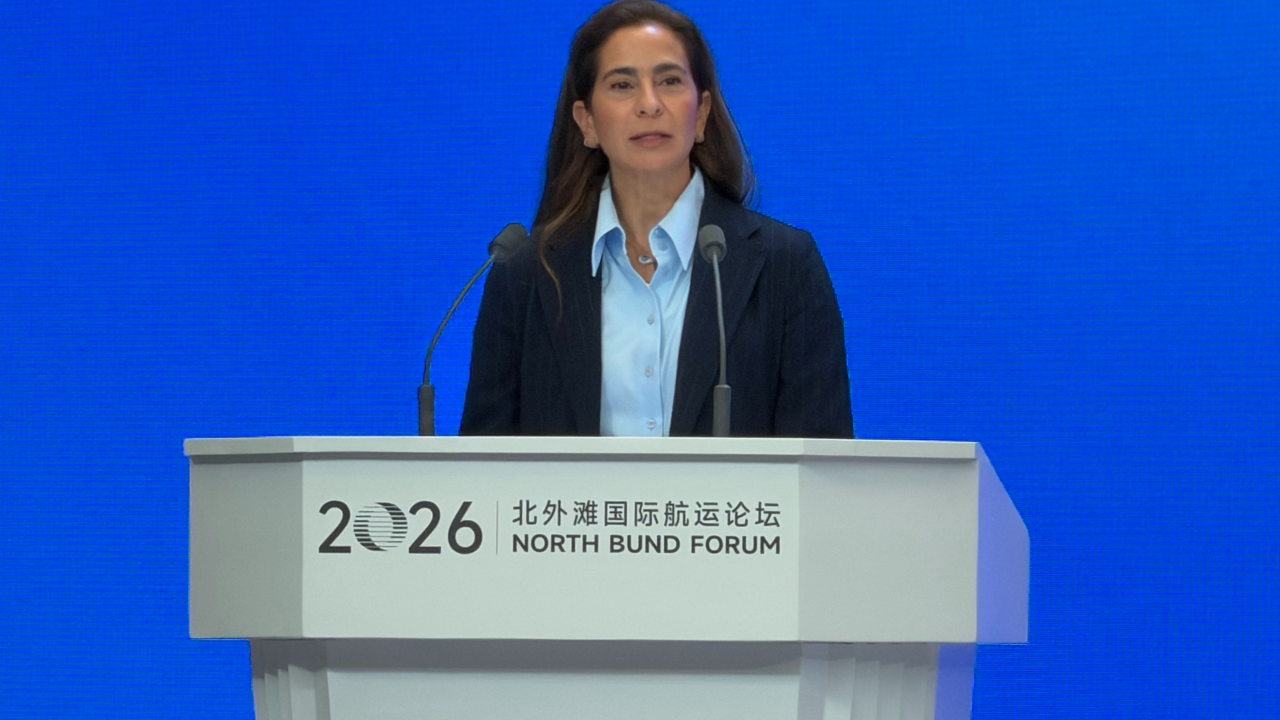

Dry bulk shipowners should prioritise fleet renewal and keep capacity growth aligned with underlying cargo demand as new vessel deliveries accelerate, according to Semiramis Paliou , Director and Chief Executive Officer of Diana Shipping Inc. . Speaking at the North Bund International Maritime Forum in Shanghai on 20 October, Paliou outlined five challenges facing the sector:
geopolitical instability,
rising vessel supply,
changing commodity demand,
decarbonisation and
the availability of skilled people.
Her assessment combined caution over the market’s supply balance with confidence in dry bulk shipping’s continuing role in the global economy.

The maritime main forum, organised by COSCO SHIPPING and Shanghai International Port Group at the Grand Halls, brought together more than 500 participants from across the shipping value chain. Within its wider discussion of resilience and industrial cooperation, Paliou focused on how bulk carrier owners can prepare for changes that affect both their immediate earnings and the long-term usefulness of their ships.
Geopolitical disruption can support freight rates temporarily
Paliou described global trade as being reshaped by tariffs, geopolitical tensions and national security considerations. Cargo sourcing and destinations are changing, while conflict raises bunker, insurance and compliance costs. Longer voyages can support freight demand by tying up ships for additional days, but she cautioned that this effect can reverse when disruption eases and vessels become available again. Her proposed response was greater flexibility in fleet deployment and contracts, allowing companies to adjust as trading conditions change.
Her argument has a direct implication for fleet investment. Earnings supported by rerouting depend partly on conditions outside the underlying commodity market. An owner considering additional tonnage therefore needs to assess how the investment would perform if voyages shortened or operational bottlenecks cleared. The commercial value of flexibility lies in preserving choices when the duration and consequences of a disruption remain uncertain.
Around 600 deliveries sharpen the case for investment discipline
Turning to vessel supply, Paliou cited Clarksons figures indicating that approximately 600 dry bulk newbuildings were due for delivery in 2026, the highest annual total in a decade. Congestion and slower sailing speeds can absorb some additional capacity, she said, but owners cannot assume that these conditions will provide permanent support. She called for discipline in new investment, with priority given to renewing fleets and ensuring that capacity additions follow genuine demand growth.
The concern is the interaction between new deliveries and changes in fleet productivity. More ships entering service can coincide with existing vessels spending less time waiting or sailing on shorter routes. Under those conditions, transport capacity available to charterers can increase faster than vessel numbers alone suggest. Fleet renewal addresses the need to improve operating performance while keeping aggregate growth consistent with the market’s ability to employ it.
For owners, this calls for an assessment of the commercial purpose of each acquisition and newbuilding commitment beyond the conditions prevailing when the investment is made. A ship delivered several years after it is ordered will enter a market shaped by the investment decisions of many other owners, alongside changes in cargo demand and trading patterns.
The energy transition is changing the cargo mix
On demand, Paliou pointed to moderate Chinese steel demand and a coal market in which energy security can generate periods of renewed strength despite a weaker long-term outlook. She also drew attention to the material requirements of the energy transition. Wind power, electricity networks and battery supply chains depend on industrial raw materials, creating transport requirements as energy systems and manufacturing patterns evolve. China remains central to these developments, both as a major consumer of commodities and as a manufacturing centre.
Paliou referred to Guinea’s Simandou iron ore project as part of this changing resource geography. Rio Tinto reports that the first shipment from Simandou left Guinea in December 2025, with production and infrastructure subsequently being ramped up. Global For shipping, the analytical question extends beyond the volume of ore produced: the origin and destination of cargo also determine how much transport work it generates. New supply sources can alter voyage distances and vessel employment even when part of their output replaces material previously sourced elsewhere.
These developments require owners to follow individual commodity chains closely. Growth in one material will have different implications from growth in another, depending on cargo volumes, handling requirements, trading routes and suitable vessel sizes. Paliou’s account points towards a more differentiated assessment of demand, with attention to where new industrial activity creates seaborne cargoes and how those trades develop over time.
Efficiency offers a practical response to fuel uncertainty
Paliou identified the choice of decarbonisation technology as another difficult investment decision. Committing early carries the risk of selecting a technology that proves commercially unsuitable, while prolonged delay also has consequences. Her immediate priority was operational efficiency. Better vessel management, operating practices and digital voyage planning can reduce fuel consumption and emissions while owners continue to assess future fuel options. She also identified Chinese shipyards as important partners in building the next generation of vessels. 粘贴的文本 (1)(6)
Diana’s own newbuilding programme provides relevant context. In February 2024, the company announced signed contracts for two 81,200 dwt methanol dual-fuel Kamsarmax bulk carriers at US$46 million each. The vessels are being built at Tsuneishi Group (Zhoushan) Shipbuilding in China, with delivery expected in the second half of 2027 and the first half of 2028. Diana reiterated those delivery expectations in an August 2026 announcement.
Read alongside those commitments, Paliou’s remarks support a selective approach to investment. Owners can make immediate operating improvements across existing ships while introducing new propulsion technology through specific projects. This combination allows efficiency work to proceed during a period in which fuel availability, technology and commercial requirements continue to evolve. It also places the operating performance of ships at the centre of the transition, alongside decisions about their future fuel.
Seafarers are central to the transition
Paliou gave particular emphasis to the people operating the fleet. Seafarers continue to sustain trade in waters exposed to growing risks, making their safety and wellbeing a priority. At the same time, the industry faces a shortage of talent as experienced officers approach retirement and too few young people choose careers at sea. Increasingly sophisticated vessels and new fuels are adding to the skills required of the next generation of crews.
She called for stronger efforts to attract young people, particularly women, and for closer cooperation among governments, maritime academies, classification societies and shipowners on training. Chinese maritime universities, she said, can play an important role. Her description of future seafarers combined traditional seamanship with engineering and technical competence, reflecting the wider range of responsibilities that crews will need to handle.
That connection between workforce development and fleet investment deserves attention. The adoption of new equipment and fuels depends on people being able to operate them safely and effectively. Training therefore needs to advance alongside technical development and vessel delivery. Investment in people supports the safe operation of new technology while helping companies retain the experience needed to manage demanding conditions at sea.
Cooperation across the shipping value chain
Paliou placed these challenges within the longstanding relationship between Greek shipping and China. Greek owners, Chinese shipyards and financial institutions already work together across vessel construction, financing and trade. She described a partnership sustained through successive market cycles by trust and shared interests. The practical work carried out by their teams provides a basis for cooperation as owners renew fleets and respond to changing operating requirements.
Her wider message was that the challenges she identified require action across companies and national borders. Shipyards contribute vessels and technical solutions, financial institutions support investment, and training organisations help prepare the people who will operate the fleet. For dry bulk owners, the task is to bring those relationships into investment decisions grounded in credible cargo demand. The sector’s continuing role in supplying food, energy and industrial materials creates a lasting need for its services, while meeting that need profitably requires discipline over the ships ordered and sustained attention to how they are operated.


READ MORE
 Dry Cargo
How Much Longer Can Dry Bulk Stay Strong?
 Dry Cargo
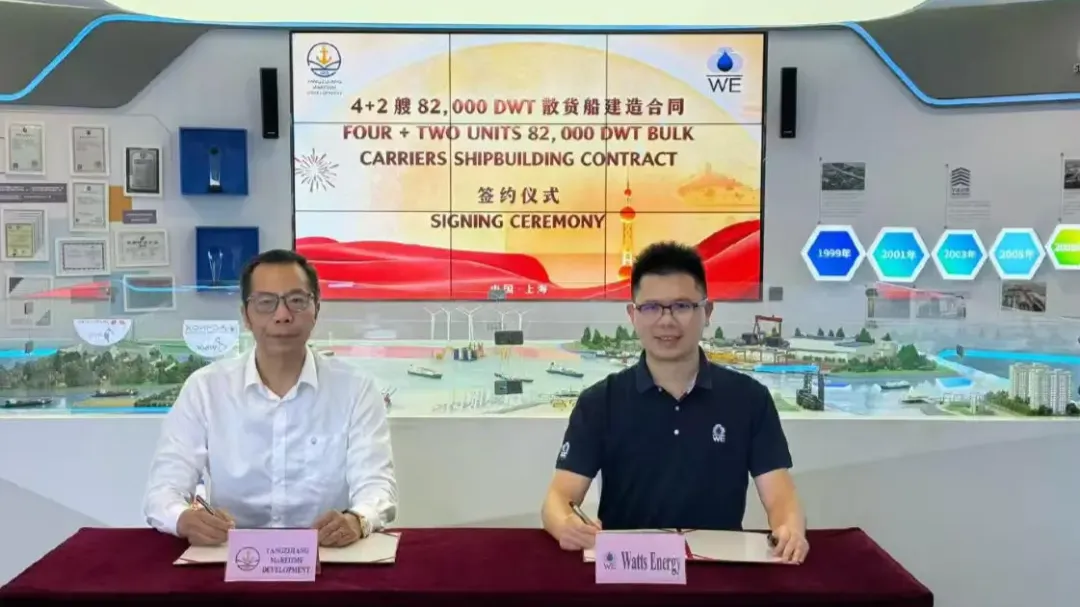
Yangzijiang Maritime Orders 4+2 Kamsarmaxes as Watts Energy Expands into Merchant Shipbuilding
 Dry Cargo
Yangzijiang Maritime linked to 4+2 Kamsarmax order
 Dry Cargo
Can Dry Bulk Match Tankers’ Earnings?
 Dry Cargo
Black Sea Wheat Loadings Plunge 78% as Grain Trade Reroutes
 Dry Cargo
China Merchants Signs $2.8 Billion-Plus Simandou Shipping Deal
 Dry Cargo
Seaspan Enters Newcastlemax Market, with Yangzijiang Set to Build Two Tri-Fuel Ore Carriers
 Dry Cargo
Shipowners Bet on Ultramaxes: 42 Ships for Chinese Yards, Deliveries Stretch into 203
 Dry Cargo
“We Are Buying Ships”: Why Dry Bulk Is Beating Expectations
 Dry Cargo