


Crew Remuneration Rises 8–10% as Chinese Shipping Group Steps Up Investment in Seafarers
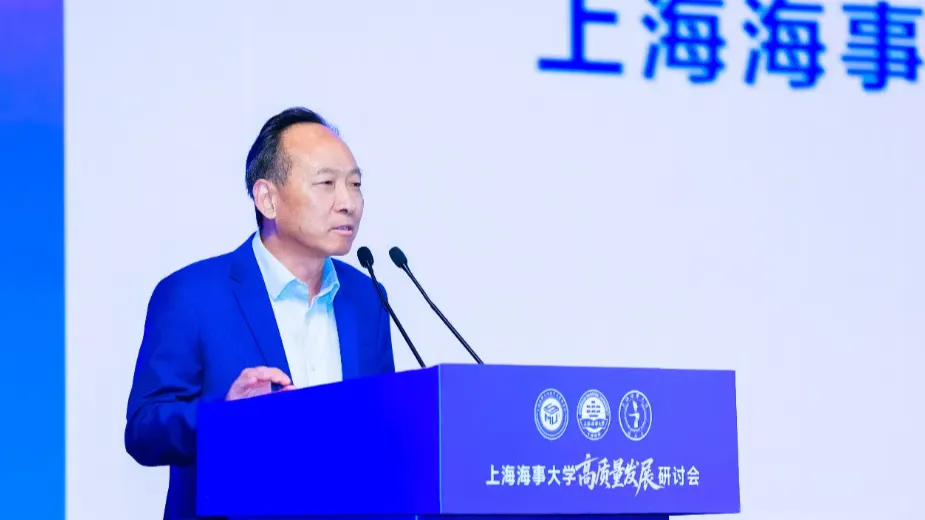
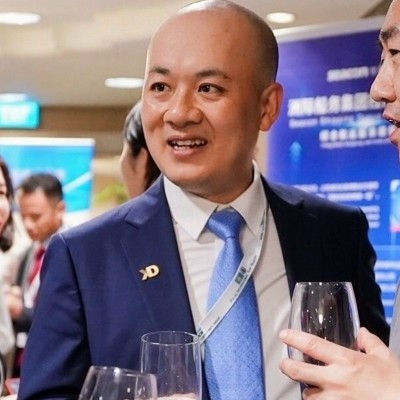
As the global shipping industry faces persistent seafarer shortages, an ageing workforce and growing difficulties in retaining experienced personnel, Shanghai Dingheng Shipping Technology Co., Ltd. is increasing its investment in the people who keep its fleet operating.
Effective 1 August 2026, Dingheng increased its overall crew-cost budget by 8–10%, with part of the additional funding allocated to higher basic salaries. According to the company, overall remuneration for its seafarers will rise by 8–10%, placing pay levels around 6% above the industry average. Outstanding crew members will also be eligible for an additional 10% performance-based reward.
The decision directs a larger share of the company’s operating returns towards personnel serving at sea. Dingheng describes the initiative as an effort to “restore fairness for seafarers”, arguing that scarce maritime professionals should receive compensation that reflects their expertise, workload and responsibility for safety.
Seafarer shortages are becoming a constraint on fleet growth
Around 90% of global trade is carried by sea, and seafarers remain the people responsible for keeping this vast transportation system running. However, the supply of qualified personnel has failed to keep pace with fleet expansion, with shortages particularly pronounced among senior officers and technical specialists.
Citing industry forecasts, Dingheng said the global seafarer shortfall could reach 89,500 by 2027, while the shortage of qualified officers could widen to 113,000 by 2030. At the same time, nearly half of serving seafarers may leave the profession within the next five years.
Long training cycles, declining interest among younger people and the limited attractiveness of a long-term career at sea are combining to intensify the imbalance between supply and demand.
China faces similar challenges. According to maritime authority surveys and public industry data cited by Dingheng, the number of Chinese holders of certificates of competency for international voyages fell from approximately 310,000 in 2015 to 232,000 in 2023. The number of certified third officers and fourth engineers—two essential entry-level operational positions—stood at only around 10,000.
Dingheng also noted that fewer than 20% of graduates from China’s leading maritime universities remain in oceangoing careers over the long term.
The professional threshold for working at sea remains extremely high. Developing a qualified oceangoing master—from formal maritime education and sea-time accumulation to independent command and emergency-response capability—usually takes ten years or longer. Deck officers, marine engineers and other operational personnel rely on experience, judgement and decision-making skills accumulated over many years, particularly when responding to severe weather, equipment failures and emergencies.
Digitalisation and greater levels of automation can help crews monitor machinery, analyse operational data and optimise vessel performance. Yet these technologies remain tools. They cannot fully replace human judgement when conditions become complex or unexpected.
For shipowners and managers, a stable and experienced crew therefore has a direct bearing on the safety of vessels, cargoes and personnel, as well as the continuity of the company’s long-term operations.
Higher pay is part of a longer-term commercial calculation
Increasing seafarer remuneration adds directly to vessel operating expenditure. Over a longer period, however, the hidden costs associated with high turnover, frequent crew changes, disrupted training and the loss of operational experience can be considerably greater.
A stable crew helps preserve continuity in shipmanagement systems and supports stronger performance in safety, efficiency, regulatory compliance and customer service. For fleets carrying hazardous liquid cargoes, where operational mistakes can have particularly serious consequences, the quality and stability of onboard personnel are especially critical.
Dingheng regards seafarers as strategic resources within its business rather than a cost item to be compressed whenever the market weakens. The company believes the industry currently faces a structural contradiction: qualified seafarers have become increasingly scarce, yet their income and career protection do not always reflect that scarcity.
When shipowners fail to offer remuneration and career opportunities consistent with the responsibility of the job, experienced people leave the industry and fewer young workers are prepared to replace them. The resulting shortage eventually affects vessel operations, safety performance and fleet expansion.
Dingheng has therefore incorporated the latest remuneration adjustment into its longer-term personnel strategy. The company said it would continue to pay salaries and allowances in full regardless of shipping market fluctuations, while using higher fixed pay, performance rewards and improved welfare arrangements to create what it calls a positive cycle of “higher remuneration, higher competence, stronger safety and better efficiency”.
During internal discussions on the new remuneration scheme, management initially proposed an increase of 5%. The company ultimately decided to raise the crew-cost budget by 8–10%, allocating a larger share of business returns to frontline seafarers.
The commercial reasoning is straightforward: the earnings generated by a fleet are closely connected to the work performed at sea, and part of those returns should reach the personnel carrying day-to-day responsibility for the ships and their safe operation.
Support covering the full seafarer career cycle
Higher salaries can strengthen the immediate appeal of a maritime career. Long-term retention also depends on promotion prospects, family support, opportunities to move ashore and respect for seafarers’ professional judgement.
Dingheng has developed a personnel framework built around three forms of sharing: sharing financial returns, sharing professional experience and sharing respect. The model brings remuneration, career development and welfare protection into a single management system.
More than a decade ago, the company began developing a rotation mechanism between shipboard and shore-based positions. Seafarers can move into marine operations, technical management, vessel procurement, crew management, maritime education and other shoreside roles, creating an alternative career path for those who eventually wish to leave full-time service at sea.
Dingheng has also established a development route extending from cadet and junior officer positions to senior officer ranks and shore-based management. The system combines university partnership programmes, onboard mentoring, regular performance assessments and transparent promotion procedures.
The results of Dingheng’s first sponsored maritime class, established in 2007, illustrate the long-term nature of this approach. According to the company, most graduates from that class have become masters or chief engineers and continue to work for Dingheng, forming part of the core team responsible for fleet operations and management.
Captain Li Chenghu of Dingheng 23 joined the company through the sponsored training programme and has remained with Dingheng for 19 years, progressing from cadet to oceangoing master.
For younger seafarers, the company operates a mentoring system under which experienced chief engineers and senior crew members provide practical instruction covering equipment principles, inspection routines and onboard operations. Promotion is supported by regular assessments and clearly defined career procedures.
Trainee second engineer Deng Shuchen, for example, recently obtained his second engineer certificate after three years of sea service and is now proceeding through the company’s promotion process. For younger personnel, a transparent promotion system and access to both seagoing and shoreside careers can reduce uncertainty about their long-term prospects.
Dingheng’s support also extends to the practical pressures faced by seafarers and their families. For eligible employees, the company provides assistance with household registration applications and children’s education. It has introduced a shore-management satisfaction survey and launched a dedicated “Dingheng Seafarer” app, allowing crew members to raise work-related and personal concerns directly.
At vessel level, Dingheng is using digital systems to reduce repetitive paperwork and unnecessary administrative tasks, enabling crews to devote more attention to navigation, machinery operations and safety.
The company has also highlighted several emergency-response cases. When a crew member aboard Dingheng 38 suffered a medical emergency at sea, Dingheng arranged a helicopter evacuation. In another case, the company completed a crew replacement within 24 hours after a master’s child became seriously ill, enabling him to return home.
These measures demonstrate that the company’s approach to seafarers extends beyond monthly salaries. Response during emergencies, respect for professional decisions and support for family responsibilities all influence whether experienced personnel choose to remain with an employer.
A fleet of more than 60 vessels supports long-term investment
Sustained investment in seafarer remuneration requires a stable operating platform. Dingheng launched its “100-Vessel Plan” in 2018, and its fleet has since expanded to more than 60 vessels, supported by an increasingly international trading network.
In July 2026, the group also entered into a million-tonne-level long-term strategic cooperation arrangement with Malaysia’s state energy company Petronas, strengthening the stability of its cargo base and fleet employment.
For Dingheng, fleet expansion and crew development form two parts of the same strategy. Every additional vessel increases demand for masters, chief engineers and other qualified personnel. Growth therefore depends on the company’s ability to offer competitive pay, develop its own talent pipeline and make maritime careers more attractive to younger professionals.
The seafarer shortage has moved beyond the recruitment department. It now affects the pace of fleet growth, operational reliability, safety performance and the competitiveness of shipping companies.
When developing an experienced master takes more than a decade, and when qualified engineers and operational officers are becoming increasingly difficult to replace, seafarer remuneration needs to reflect the scarcity and responsibility of these positions more accurately.
Dingheng’s 8–10% increase in its crew-cost budget, effective from 1 August, represents a direct response to this changing labour market. The underlying principle is clear: recognise the professional value of seafarers, reward those who accept the demands and responsibilities of life at sea, and use a more stable workforce to support safe operations and long-term fleet development.
Improving the attractiveness of seafaring will remain a long-term task for the wider shipping industry. Higher pay is the most immediate step, while transparent promotion, sustainable career routes, manageable workloads and support for seafarers’ families are equally important.
Dingheng’s approach offers one example of how a shipping company can respond. When the scarcity and professional value of seafarers are properly recognised, companies and their crews have a stronger foundation for a stable and sustainable long-term relationship.

READ MORE
 Careers & Jobs
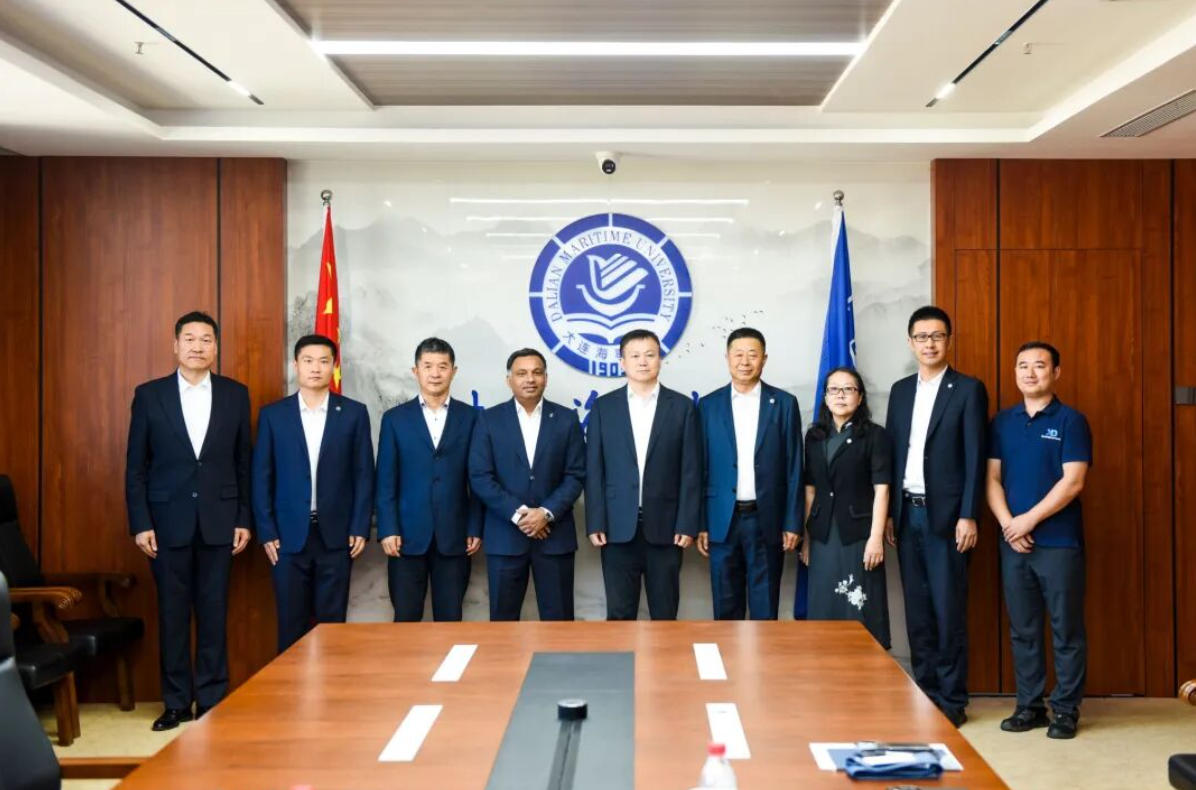
Fleet Management and Dalian Maritime University Sign Training agreement to Strengthen Seafarer Training in China
 Careers & Jobs
Invitation to Participate in the Survey on Global Seafarers’ Physical and Mental Health and Rights Protection
 Careers & Jobs
HKSR Logo & Tagline Design Competition Rules (“Competition Rules”)
 Careers & Jobs
What Kind of Talent Will Shipping Need in the Future?
 Careers & Jobs
The Captain's Table Returns Bigger Than Ever: 2026 LIVE Finals to Set Sail in Hong Kong
 Careers & Jobs
Why Did 200-Year-Old Ben Line Choose Dalian?
 Careers & Jobs
Global Shipping Faces a Shortage of 39,100 Officers, BIMCO/ICS Report Warns
 Careers & Jobs
CULines opens Turkey office as Eastern Mediterranean regional headquarters
 Careers & Jobs
Seafarers no longer carrying paper certificates!
 Careers & Jobs