


Global Shipping Faces a Shortage of 39,100 Officers, BIMCO/ICS Report Warns
The global seafarer workforce is not facing a simple shortage of people. The real pressure point is a shortage of STCW-certified officers, especially engineering officers and deck officers.
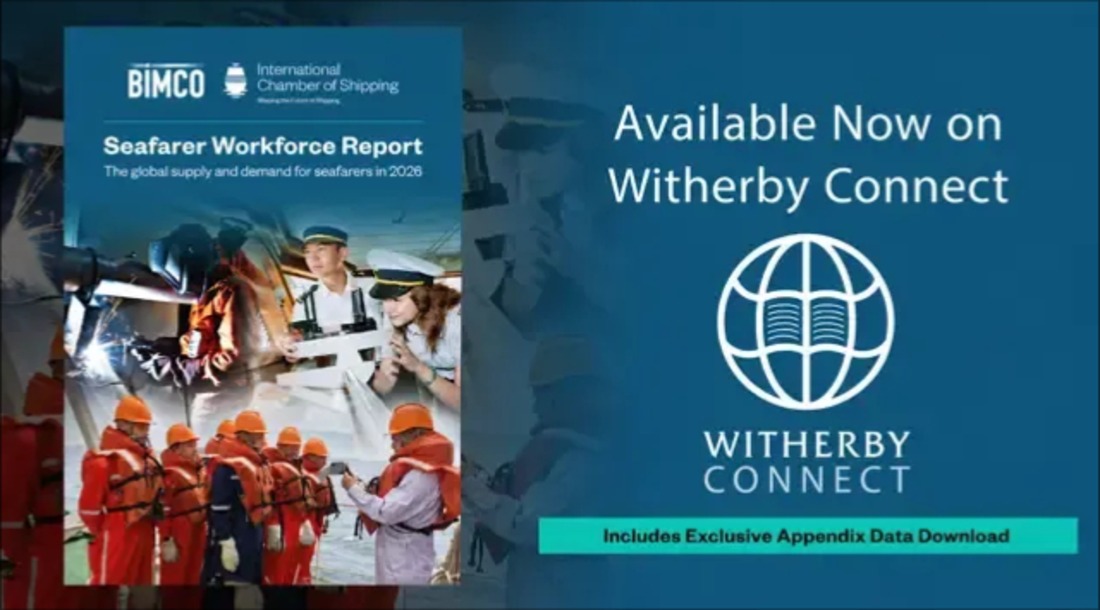

A new BIMCO and International Chamber of Shipping (ICS) report has highlighted a growing structural imbalance in the global seafarer labour market.
According to the Seafarer Workforce Report 2026, the global supply of STCW-certified seafarers is estimated at 2,565,580 in 2026. This includes around 1,048,980 officers and 1,516,600 ratings. Global demand, meanwhile, is estimated at 2,547,790 seafarers, including 1,088,080 officers and 1,459,710 ratings.
At first glance, the overall numbers appear broadly balanced. The total supply of STCW-certified seafarers is slightly higher than total demand.
But the picture changes sharply when the workforce is divided by rank.
The report estimates that the global shipping industry currently faces a shortage of 39,100 officers, while there is a surplus of 56,890 ratings.
This distinction is critical. The industry is not short of seafarers in general. It is short of qualified officers who can take responsibility for navigation, engineering operations, watchkeeping, safety management and increasingly complex onboard systems.
The shortage is concentrated among officers
The report makes clear that companies face the greatest difficulty when recruiting engineering officers and deck officers.
By contrast, companies reported that it is easier to recruit ratings for both deck and engine departments.
This means the labour challenge facing shipping is becoming more about competence, certification and experience than simple headcount. Shipowners and ship managers may still be able to find support-level crew, but it is becoming harder to find qualified officers who are ready to serve on internationally trading merchant ships.
The shortage has also widened over time. In 2015, the global officer shortfall was estimated at 16,500. By 2021, it had increased to 26,240. In 2026, it has reached 39,100. Over the same period, ratings remained in surplus.
Fleet growth is pushing demand higher
BIMCO and ICS estimate that the world merchant fleet covered by the report comprises 85,148 ships in 2026, a 14% increase compared with the 2021 report.
This fleet growth has driven a sharp rise in demand for qualified seafarers. Since the 2021 report, total demand for STCW-certified seafarers has increased by 35%. Demand for officers has risen by 23.1%, while demand for ratings has increased by 46.3%.
The industry segments with the largest shares of officer demand are general cargo ships, bulk carriers and cruise ships. General cargo ships account for 21.4% of officer demand, bulk carriers for 18.9%, and cruise ships for 14.0%. For ratings, the largest demand comes from cruise ships, bulk carriers and general cargo ships.
This has direct implications for the wider shipping market. Bulk carriers and general cargo vessels remain core segments for many shipowners, ship managers and crewing agencies, especially across Asia. As these segments continue to expand or modernise, their demand for competent officers will remain a key operational constraint.
More than 22,000 new officers needed every year to 2030
The report also provides a baseline forecast for future demand.
By 2030, global demand for officers is expected to reach 1,162,716. Demand for ratings is expected to reach 1,558,973. To meet this projected demand, the industry will need an additional 22,747 officers to join the workforce each year, equivalent to an average annual increase of 2.0%. For ratings, the required annual increase is 8,475, or 0.5% per year.
This does not mean that the officer shortage will automatically reach more than 110,000 by 2030. A more accurate reading is that the industry needs to add more than 113,000 STCW-certified officers over the coming years to meet projected demand growth.
If training, recruitment and retention fail to keep pace, the existing officer shortage may widen further.
Training is improving, but retention remains a challenge
There are positive signs.
The report finds that the number of officer cadets has increased since the 2021 report. The ratio of officer cadets to qualified officers in 2026 is now 1:3.8, compared with 1:4.8 in 2021 and 1:7.6 in 2015.
This suggests that maritime education and training systems are producing more officer cadets.
But training alone will not solve the problem. Officer shortages are also linked to retention, career attractiveness, time away from family, workload, mental wellbeing, salary competitiveness, access to shore-based career pathways and the growing technical demands placed on seafarers.
The report recommends stronger promotion of maritime education and careers at sea, including clearer information about transitions to shore-based roles. It also calls for regular monitoring of recruitment and retention by maritime administrations, so that policymakers and industry stakeholders can better understand changes in global supply and demand.


READ MORE
 Careers & Jobs
Fleet Management and Dalian Maritime University Sign Training agreement to Strengthen Seafarer Training in China
 Careers & Jobs
Invitation to Participate in the Survey on Global Seafarers’ Physical and Mental Health and Rights Protection
 Careers & Jobs
Crew Remuneration Rises 8–10% as Chinese Shipping Group Steps Up Investment in Seafarers
 Careers & Jobs
What Kind of Talent Will Shipping Need in the Future?
 Careers & Jobs
HKSR Logo & Tagline Design Competition Rules (“Competition Rules”)
 Careers & Jobs
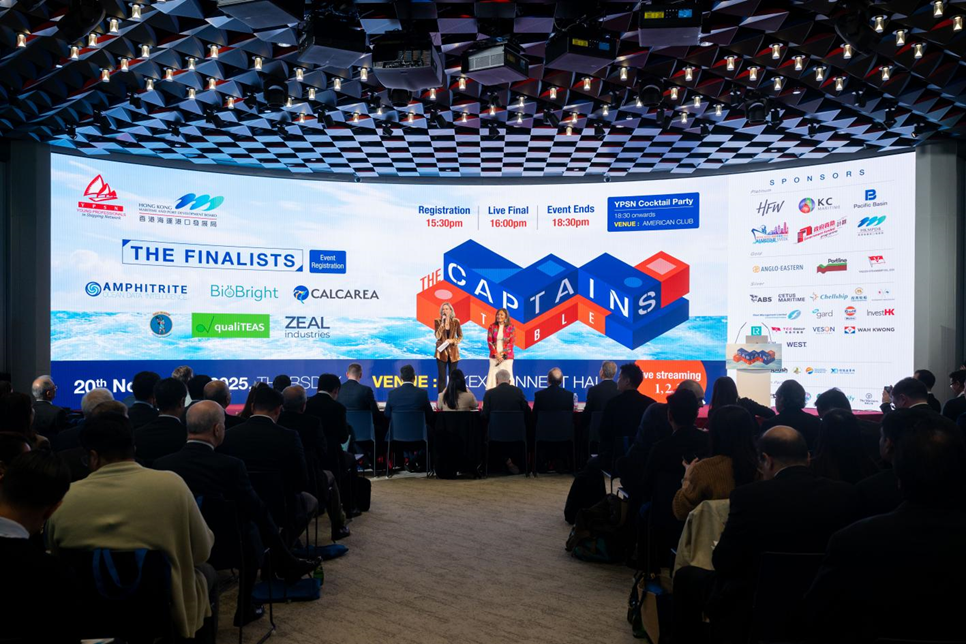
The Captain's Table Returns Bigger Than Ever: 2026 LIVE Finals to Set Sail in Hong Kong
 Careers & Jobs
Why Did 200-Year-Old Ben Line Choose Dalian?
 Careers & Jobs
CULines opens Turkey office as Eastern Mediterranean regional headquarters
 Careers & Jobs
Seafarers no longer carrying paper certificates!
 Careers & Jobs