


RCL’s Orderbook Reach 1.6 Times Its Existing Fleet After Four-Ship Wenchong Deal
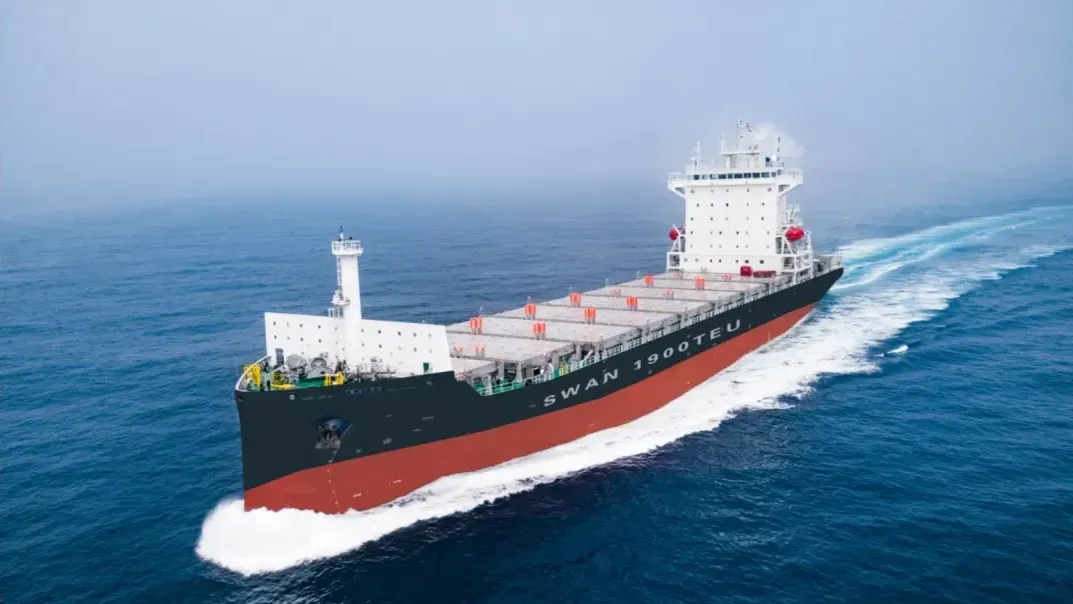
Thai carrier Regional Container Lines (RCL) is continuing its major newbuilding expansion. On 21 August, RCL signed a contract with CSSC Huangpu Wenchong Shipbuilding and China Shipbuilding Trading Co. for four 1,900 TEU “Wenchong Swan” containerships. Alphaliner estimates that ships of this type currently cost in the low-$30 million range, implying a combined investment of more than $120 million. Delivery is expected between late 2028 and early 2029. Together with RCL’s previously ordered 4,300 TEU and 14,000 TEU vessels, the latest ships will form part of a multi-tier fleet covering feeder, regional trunk and larger-scale services. Based on the latest publicly available data, RCL’s orderbook could reach approximately 148,114 TEU after the new contract is included—equivalent to around 162% of its existing fleet capacity.

The four vessels belong to Huangpu Wenchong’s independently developed “Swan” family of feeder and midsized containerships. According to the shipyard, each vessel will measure 172 metres in length and 27.5 metres in breadth, with a deadweight of approximately 24,000 tonnes.
The design combines high container intake, fuel efficiency, port flexibility and adaptability across different regional services. It complies with the International Maritime Organization’s Energy Efficiency Design Index Phase 3 requirements and will be equipped with shore power connections, scrubbers and other environmental systems.
Issue 34 of the 2026 Alphaliner Weekly Newsletter provides additional details. The “Wenchong Swan 1900”, also described as a Bangkokmax design, has an actual maximum intake of approximately 1,930 TEU and deadweight of around 24,400 tonnes.
Neither the contract price nor the precise delivery schedule has been officially disclosed. Based on comparable Chinese newbuilding contracts, however, Alphaliner expects each ship to cost slightly above $30 million, with deliveries unlikely before late 2028 or early 2029. On this basis, the four-ship programme could be valued at approximately $120 million to $140 million, depending on the final machinery package, reefer capacity, energy-saving devices, classification requirements and delivery slots.
The 1,900 TEU Ships Complete RCL’s Feeder Layer
RCL is a Thailand-based liner operator with deep exposure to the intra-Asian market. Its network depends on frequent connections between regional ports, where service reliability, port coverage and operational flexibility can be more important than maximising the capacity of individual vessels.
Compared with the major east-west trades served by ultra-large containerships, intra-Asian routes typically involve shorter voyages, more port calls, widely differing terminal conditions and cargo volumes spread across a larger number of origins and destinations. A 1,900 TEU ship can enter ports constrained by draught, berth length or crane capacity while also performing feeder connections between major hubs and secondary markets.
RCL’s decision to invest in smaller ships after ordering substantial 4,300 TEU and 14,000 TEU tonnage does not represent a retreat from vessel upsizing. The four Wenchong newbuildings will provide a feeder layer that complements the company’s larger vessels.
The 14,000 TEU ships can support services with greater cargo concentration or longer sailing distances. The 4,300 TEU units are suited to regional trunk routes, while the 1,900 TEU ships can maintain service frequency and expand port coverage. Together, the three vessel classes will give RCL greater flexibility to allocate capacity according to cargo volumes, route distances and infrastructure limitations.
The Bangkokmax design is particularly relevant to this role. Its length of 172 metres and beam of 27.5 metres provide an intake of around 1,930 TEU while preserving access to a broad range of regional ports. For a carrier operating between Southeast Asia, China, Northeast Asia and other regional markets, this balance between scale and flexibility has considerable commercial value.
Feeder tonnage also plays a wider role in the performance of a liner network. Larger vessels can deliver lower slot costs on trunk services, but their capacity cannot be used efficiently without reliable feeder connections. By adding 1,900 TEU ships alongside its larger newbuildings, RCL is effectively preparing the supporting network required for future fleet growth.
Orderbook Capacity Could Reach 162% of the Existing Fleet
According to the latest Alphaliner data, RCL ranks 23rd among global container shipping operators. It currently operates 32 ships with combined capacity of approximately 91,433 TEU, comprising 26 owned vessels and six chartered ships.
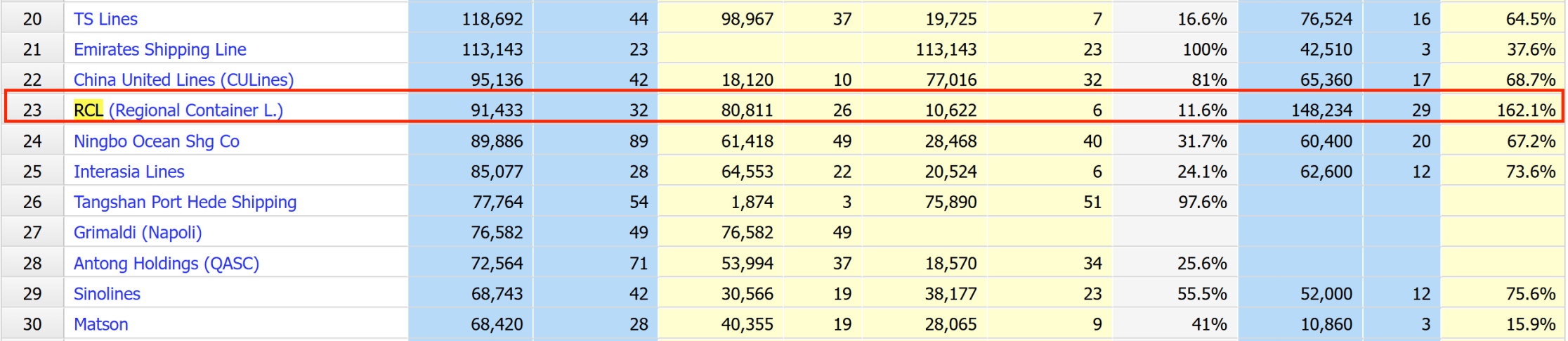
The high proportion of owned tonnage indicates that RCL’s business model is increasingly based on long-term control of core capacity rather than extensive dependence on the short-term charter market.
Before the four latest ships are included, the carrier’s orderbook has been reported at 25 vessels totalling approximately 140,514 TEU—equivalent to 153.7% of its existing fleet capacity. Adding four 1,900 TEU ships would theoretically increase the orderbook to 29 vessels and approximately 148,114 TEU, or around 162% of the current operated fleet.
RCL is therefore preparing to receive more capacity than it operates today. Some newbuildings may replace older vessels, while others could be deployed through chartering arrangements or cooperation with other carriers. Even after allowing for fleet renewal, the programme points to a substantial increase in the company’s operational scale.
The latest ships form part of a much broader investment programme. Alphaliner has identified eight 4,300 TEU vessels under construction at Huangpu Wenchong, two similar ships ordered from Yangzijiang Shipbuilding and two 14,000 TEU vessels contracted at HD Hyundai Heavy Industries.
RCL’s future fleet is consequently being built around three distinct size categories: 1,900 TEU feeder vessels, 4,300 TEU regional ships and 14,000 TEU larger units. This structure will allow the carrier to serve several levels of the container transport chain instead of relying on a single vessel segment.
The scale of the orderbook suggests strong confidence in the longer-term growth of Asian container trade and RCL’s ability to expand its market share. By ordering early, the company is securing shipyard capacity and reducing its future exposure to potentially expensive or scarce charter tonnage. Series-built vessels should also improve average fleet age, fuel consumption and operating reliability.
Such rapid expansion carries financial and operational demands. RCL will need to arrange financing, recruit and train crews, secure terminal windows, expand its container equipment pool and generate sufficient cargo to keep the ships productively employed. Newbuilding capacity creates an opportunity for growth, but returns will depend on network expansion, utilisation levels and the strength of regional trade when the vessels are delivered.
Cooperation With Huangpu Wenchong Expands to a Second Ship Type
The relationship between RCL and Huangpu Wenchong began in 2024. The Chinese yard is already building eight 4,300 TEU containerships for the Thai carrier. The latest agreement expands their cooperation to at least 12 vessels and extends it from midsized regional ships into feeder tonnage.
Repeat orders at the same shipyard can reduce project execution risk. Through the 4,300 TEU programme, RCL has already gained experience with Huangpu Wenchong’s design coordination, equipment procurement, supervision procedures, payment milestones and construction management. The shipyard has likewise become familiar with RCL’s technical standards and operational requirements.
This established relationship should make it easier to complete design negotiations and specification approvals for the latest vessels. It may also create efficiencies in equipment standardisation, spare-parts management, crew training and technical support across the two newbuilding series.
For Huangpu Wenchong, the order represents more than another four ships. A shipowner’s first contract may be influenced by price or the availability of delivery slots. A repeat customer ordering a different vessel class provides broader validation of the yard’s construction quality, project execution and product range.
The RCL programme also illustrates how Huangpu Wenchong’s containership portfolio has expanded. Its 1,900 TEU vessels are designed primarily for feeder and regional deployment, while the 4,300 TEU series can operate on longer intra-Asian routes. The yard’s 5,300 TEU and 6,400 TEU products extend further into the midsized trunk segment.
Through these platforms, Huangpu Wenchong can address the requirements of regional carriers, international tonnage providers and larger liner operators with a range of standardised but adaptable designs.
The “Wenchong Swan” Series Has Secured 45 Ships This Year
Huangpu Wenchong said its “Wenchong Swan” family had secured orders for 45 feeder and midsized containerships since the beginning of 2026. Customers cover major shipping markets in Europe, Northeast Asia, Southeast Asia and the Middle East.
In addition to RCL’s four 1,900 TEU ships, the yard recently signed a contract with Hong Kong-based Asean Seas Line for two firm plus two optional 5,300 TEU vessels. South Korea’s CK Line has also been linked to a two-plus-two order for 6,400 TEU ships.
Series production provides meaningful advantages for the shipyard. Once a design has accumulated a substantial order run, basic engineering, equipment procurement, block construction and commissioning can be repeatedly refined. Suppliers can reserve capacity against a larger production programme, while the yard can develop a more stable building rhythm and reduce coordination costs.
Owners also benefit from selecting a platform that has already undergone technical reviews by several customers. The basic design and equipment package become more mature, while individual buyers can still adjust reefer capacity, energy-saving devices, accommodation arrangements and route-specific features.
By selecting both the 4,300 TEU and 1,900 TEU platforms, RCL is establishing two newbuilding series at the same yard. A degree of commonality in systems, equipment, training and technical support could help limit the additional management complexity created by rapid fleet expansion.
Conventional-Fuel Economics Face Longer-Term Carbon Costs
The four 1,900 TEU ships will comply with EEDI Phase 3 and will be fitted with shore power connections and scrubbers. Shore power can reduce fuel consumption and local air emissions while a vessel is alongside, provided the port has compatible infrastructure.
Scrubbers allow ships to consume high-sulphur fuel oil where permitted, preserving the option to benefit from the price spread between high- and low-sulphur fuels. The economics will depend on future bunker price differentials, equipment maintenance expenses and restrictions imposed by individual ports.
Public disclosures do not indicate that the vessels will feature LNG, methanol or ammonia dual-fuel propulsion. It is also unclear whether the designs include provisions for future conversion to alternative fuels.
For a 1,900 TEU feeder vessel, conventional propulsion combined with energy-saving equipment can reduce initial capital costs and technical complexity. It also avoids dependence on alternative-fuel availability across regional ports, where bunkering infrastructure may remain limited.
The ships are nevertheless expected to enter service around late 2028 or early 2029, when carbon pricing and emissions regulations will have a greater effect on operating costs. The EU Emissions Trading System, FuelEU Maritime and the IMO’s developing medium-term measures will increasingly influence vessel competitiveness.
RCL will therefore need to combine efficient hull forms and machinery with voyage optimisation, speed management and consistently high utilisation. Shore power and scrubbers can improve the ships’ operating profile, but their ability to remain competitive over a full commercial life will depend on the entire energy-efficiency package and future options for reducing carbon intensity.
RCL Is Building a Multi-Tier New Fleet
The four 1,900 TEU ships are not the largest vessels in RCL’s orderbook, but they perform an important role in completing the future fleet structure. The 4,300 TEU and 14,000 TEU vessels will allow the company to increase capacity and extend its network, while the feeder ships will preserve the frequency, flexibility and port coverage required by regional services.
RCL remains a regional carrier ranked 23rd globally, yet its orderbook capacity is already far larger than its current fleet. Over the coming years, the company will need to convert its newbuilding investment into expanded services, greater market share and sustainable earnings.
A concentration of deliveries could increase depreciation, financing and operating costs. It could also give RCL a rare opportunity to gain scale while intra-Asian liner networks are being reshaped and older feeder vessels require replacement.
The decision to return to Huangpu Wenchong suggests that RCL intends to reduce execution risk by relying on established cooperation and series designs. With eight 4,300 TEU ships already under construction and another four 1,900 TEU ships now ordered, the partnership covers both feeder and regional trunk capacity.
For Huangpu Wenchong, the contract is a repeat order from an established customer. For RCL, it is another component of a broader transition towards a larger, more extensively owned and younger fleet.
Market conditions at the time of delivery remain uncertain. The growth of intra-Asian trade, scrapping of ageing feeder tonnage, fuel and carbon costs, and network decisions by major global carriers will all influence the ships’ eventual returns. The direction of RCL’s strategy is much clearer: the carrier is moving beyond incremental renewal and building the fleet foundation for a substantially larger role in Asian container shipping.

READ MORE
 Containers
CMA CGM’s $1.4bn FedEx Supply Chain Deal: How Its Global Logistics Network Is Taking Shape
 Containers
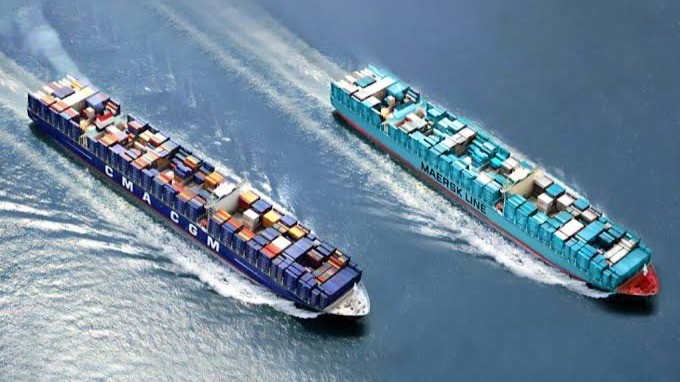
CMA CGM vs Maersk: A New Arms Race Begins!
 Containers
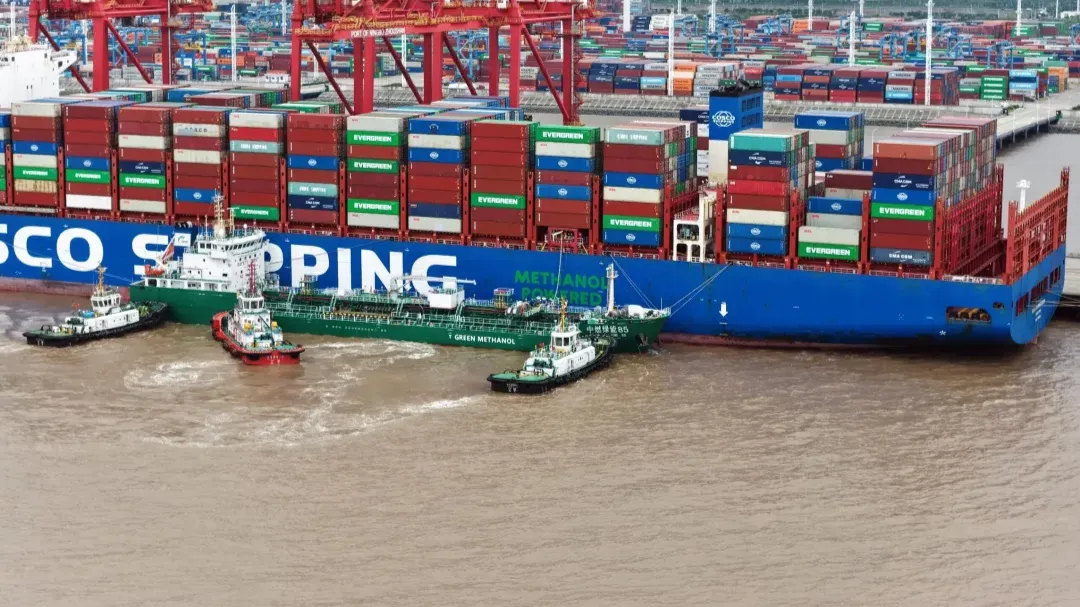
COSCO SHIPPING Sets Group Methanol Bunkering Record with 7,500-Tonne Delivery
 Containers
Ningbo Containerized Freight Index Weekly Commentary North America Freight Rates Remained Elevated; Composite Index Decline Narrowed
 Containers
Up to 30 New Feeders: Inside Contships’ Fleet Renewal Strategy
 Containers
COSCO SHIPPING Holdings to Launch Third Far East–ECSA Service in December
 Containers
CMA CGM Expects Car Carrier Fleet to Reach Around 21 Vessels
 Containers
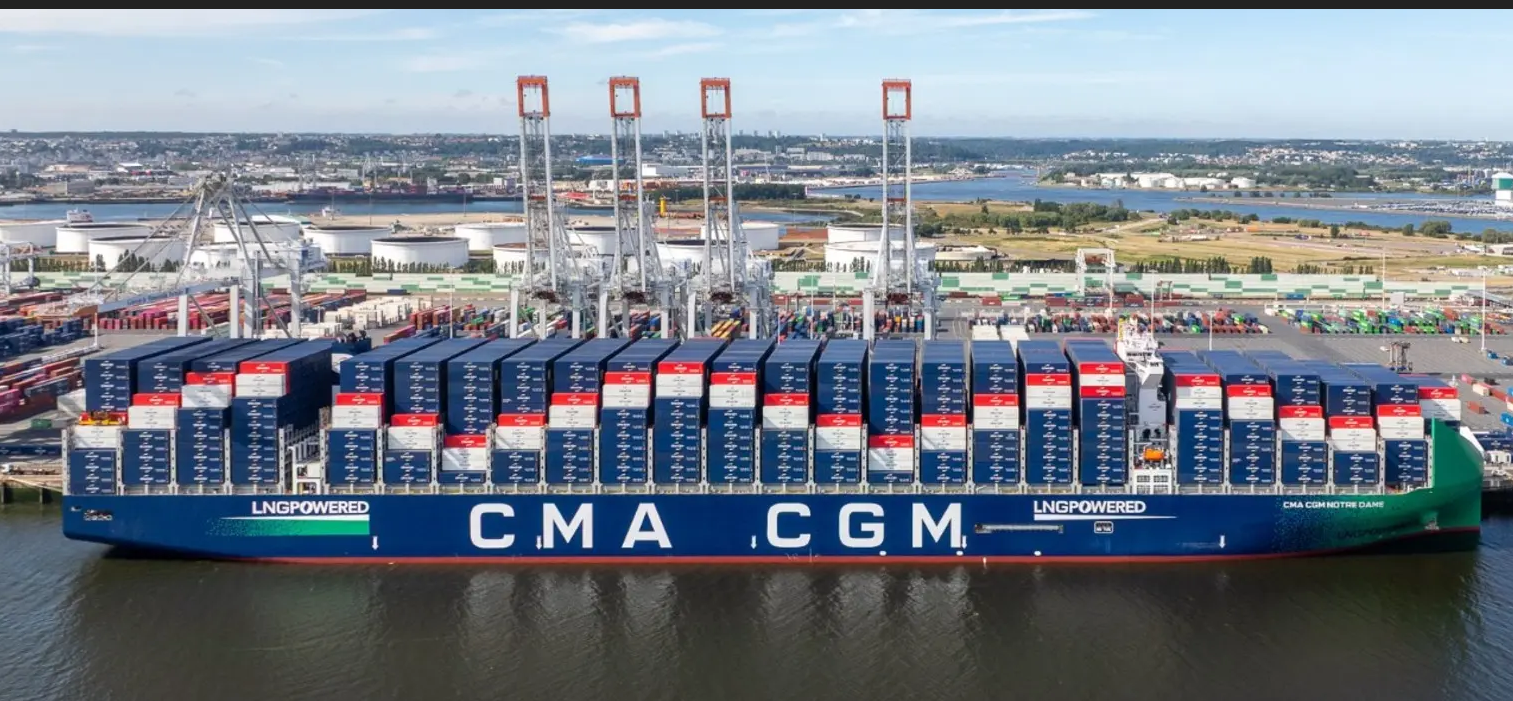
CMA CGM’s Reported French Flag Retreat Puts Shipping Taxes in Focus
 Containers
CMA CGM Chief Says Zero Carbon by 2050 May Take a Miracle
 Containers