


CMA CGM’s Reported French Flag Retreat Puts Shipping Taxes in Focus
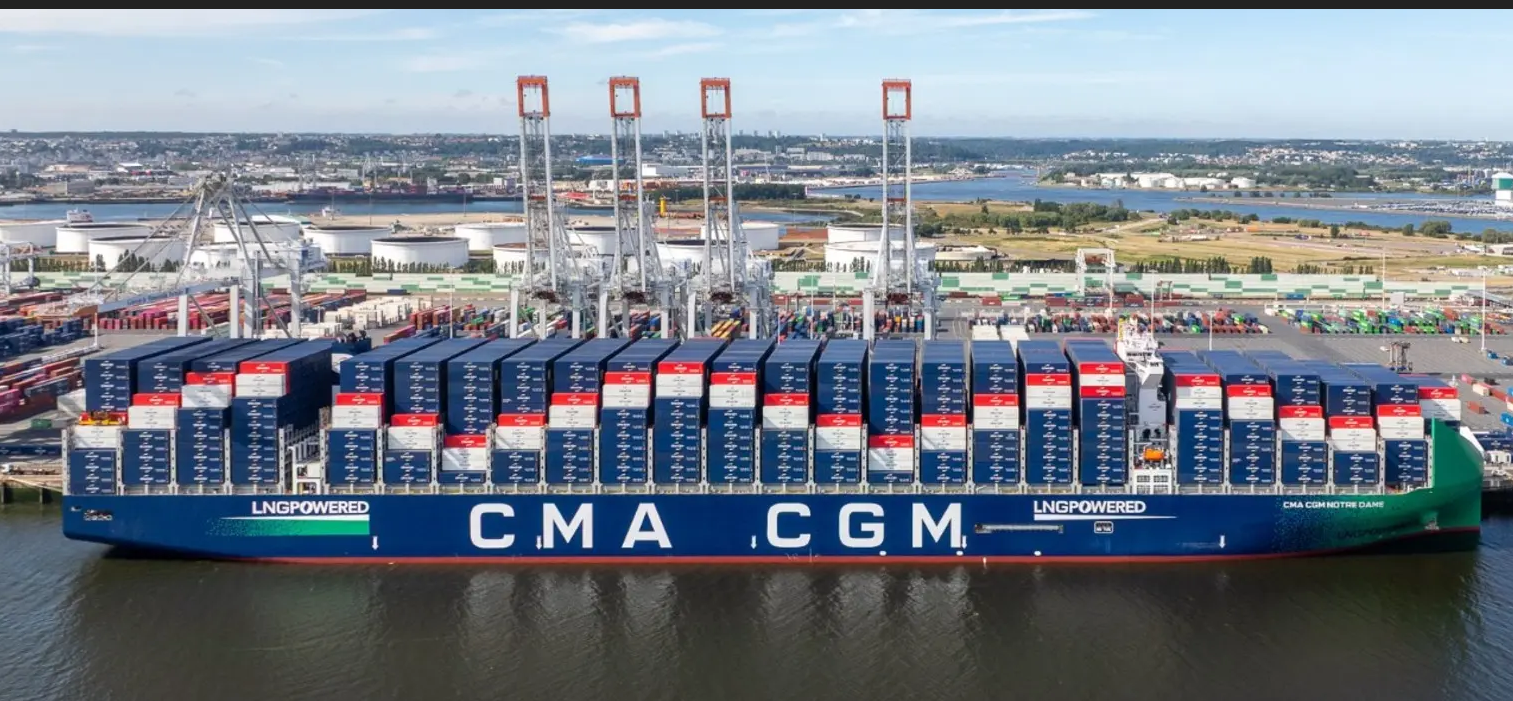

The carrier reportedly plans to stop its French-flagged fleet expansion at 33 vessels instead of 40. The unconfirmed change brings France’s shipping tax debate into sharper focus, with implications for seafarer recruitment and maritime training.
CMA CGM reportedly plans to scale back its commitment to operate 40 French-flagged ships by 2028, raising questions about how France can increase shipping companies’ fiscal contributions while retaining vessels and maritime jobs.
Management told employee representatives on September 24 that the expansion would stop at 33 ships, with seven forthcoming sister vessels to be registered elsewhere, Le Monde reported on September 30. The newspaper cited a CFDT union document linking the decision to French fiscal policy and a possible new windfall levy. CMA CGM declined to confirm, deny or comment on the reported change.
A fleet commitment with employment attached
The original commitment was explicit. CMA CGM announced in November 2025 that ten LNG dual-fuel containerships of approximately 24,000 TEU would enter the French International Register, known as the RIF, with deliveries beginning in 2026.
The vessels were intended for the Asia–Northern Europe trade, including calls at Le Havre and Dunkirk. The programme also included recruiting 135 French seafarers and strengthening cooperation with France’s maritime academy, École nationale supérieure maritime, or ENSM.
At the naming of the first vessel, CMA CGM NOTRE DAME, the company reiterated that its French-flagged fleet would grow from 30 to 40 ships by 2028.
The reported revision concerns where ships would be registered. It does not, by itself, establish that the newbuilding programme or planned services will change.
Stronger earnings sharpen the tax debate
The dispute comes as CMA CGM’s shipping business benefits from higher volumes and freight revenue.
In the second quarter of 2026, group revenue rose 19.2% year on year to $15.7 billion, while EBITDA increased 31% to $3 billion. Shipping revenue reached $10 billion, up 22%, and average revenue per TEU rose 15.1% to $1,575.
CMA CGM said higher volumes and sustained freight rates offset additional costs associated with Middle East disruptions, including vessel immobilisation and higher insurance premiums. The results illustrate why stronger earnings and greater operating risks can coexist in shipping.
For French policymakers, the question is how much of an earnings upswing should translate into additional tax revenue.
A report submitted to the National Assembly’s finance committee on September 23 estimated the 2025 fiscal cost of the tonnage tax regime at €1.435 billion. After accounting for the exceptional shipping levy, it put the net impact at approximately €990 million. These figures represent estimated revenue forgone relative to ordinary taxation, rather than direct payments to shipowners.
Yet the same report argued that France should preserve tonnage taxation because of its importance to international competitiveness. It also recorded a €447.1 million exceptional shipping tax charge in CMA CGM’s 2025 standalone accounts—a different accounting scope from the group’s consolidated results.
Tonnage tax and an additional levy are separate choices
Under France’s tonnage tax regime, qualifying shipping income is calculated using a statutory formula linked to vessel tonnage, then subjected to corporate income tax. Activities outside the scheme remain subject to ordinary tax rules.
The arrangement reduces the direct connection between actual annual earnings and the taxable income of eligible shipping operations. An exceptional levy can impose an additional burden while leaving that underlying regime in place.
Armateurs de France, the shipowners’ association, argues that a stable tax framework is essential to investment and French flag competitiveness. It says 22 EU countries operate tonnage tax or similar arrangements, placing France within a wider contest for shipping activity. That is the industry’s policy position, rather than evidence that any particular tax proposal will cause vessels to leave.
Another flag does not automatically mean another tax system
Vessel registration and corporate taxation are connected, but they are governed by different tests.
French tonnage tax eligibility includes requirements relating to strategic and commercial management from France, as well as the share of operated tonnage under EU or European Economic Area flags. Registering a vessel outside France therefore does not automatically remove its operator from the French tax system.
Without details of the proposed registries, operating entities and management arrangements, it is not possible to calculate any tax saving from the reported change.
Flag decisions can nevertheless affect crewing arrangements, administrative requirements and the location of future maritime employment. Their commercial significance extends beyond the registration fee or a single tax charge.
Recruitment and training face the next test
The immediate employment question is whether CMA CGM will maintain its commitment to recruit 135 French seafarers.
A reduction in planned French registrations cannot be converted directly into a proportional job-loss estimate. Foreign-flagged ships can employ French personnel, while the RIF itself permits international crews. Its nationality requirements cover specified European and other eligible nationals, rather than requiring an entirely French crew.
The practical consequences will depend on recruitment, cadet placements and deployment decisions. A formal company statement would help establish whether those commitments remain intact.
For France, the policy challenge is to secure a reasonable fiscal contribution during profitable shipping markets while maintaining an attractive base for ships, skills and investment. The next substantive developments will be CMA CGM’s confirmation of its registration plans and the actual shipping tax provisions proposed in the 2027 budget.

READ MORE
 Containers
CMA CGM Chief Says Zero Carbon by 2050 May Take a Miracle
 Containers
COSCO SHIPPING Holdings Steps Up Asia-Pacific Expansion with Dual-Brand Push
 Containers
Ningbo Containerized Freight Index Weekly Commentary Overall Demand Weakened During the Holiday; Freight Rates Declined on Most
 Containers
CMA CGM Expects Car Carrier Fleet to Reach Around 21 Vessels
 Containers
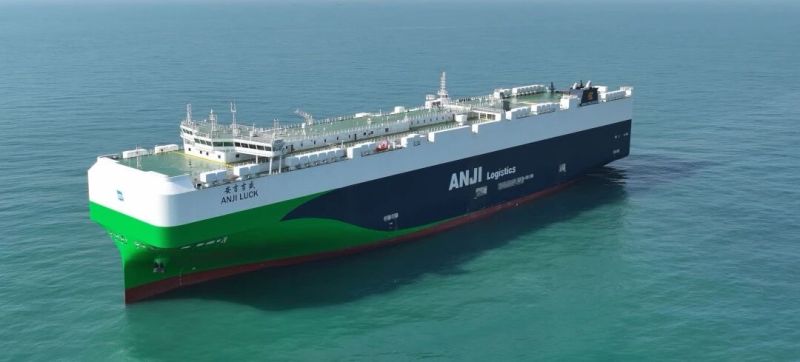
SAIC Anji Logistics is moving into the 11,000-CEU class.
 Containers
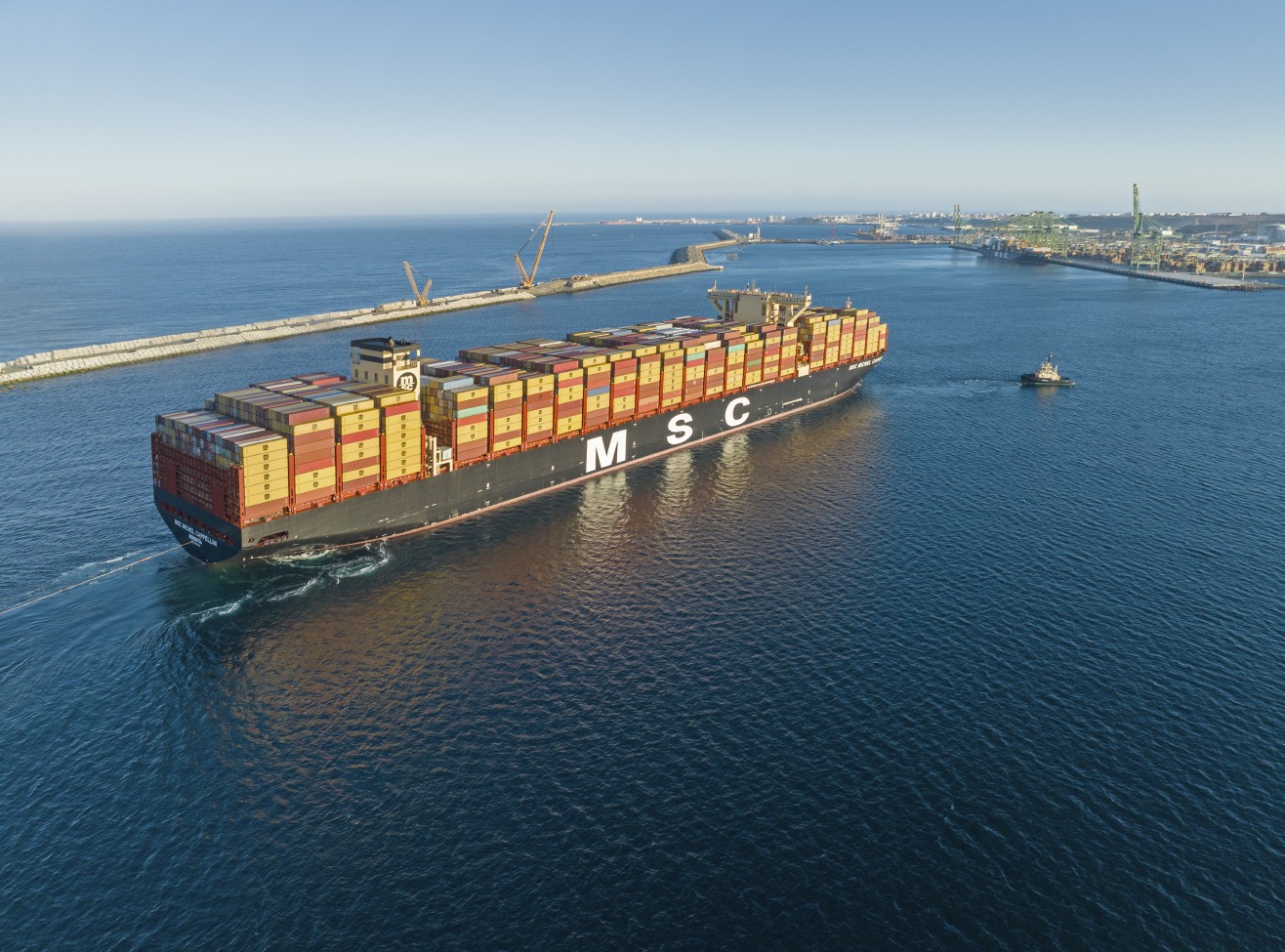
14m TEU Orderbook Puts Container Shipping on Course for a 2027 Capacity Test
 Containers
From Shanghai to London: A Chinese Shipping Derivative Is Going Global
 Containers
Veteran German Owner Returns to Boxship Newbuildings as Offen Moves on 2+2 7,000-TEU Ships at GSI
 Containers
Maersk’s Decade-Long Transformation: Has Its End-to-End Logistics Strategy Worked?
 Containers