


MSC Containership Hydrofluoric Acid Leak Triggers Mass Evacuation at Antwerp; Around 130 Sent to Hospital
Several dockworkers reportedly suffered symptoms of exposure, with one admitted to intensive care, while vessel movements and road access around Deurganckdock were temporarily restricted.
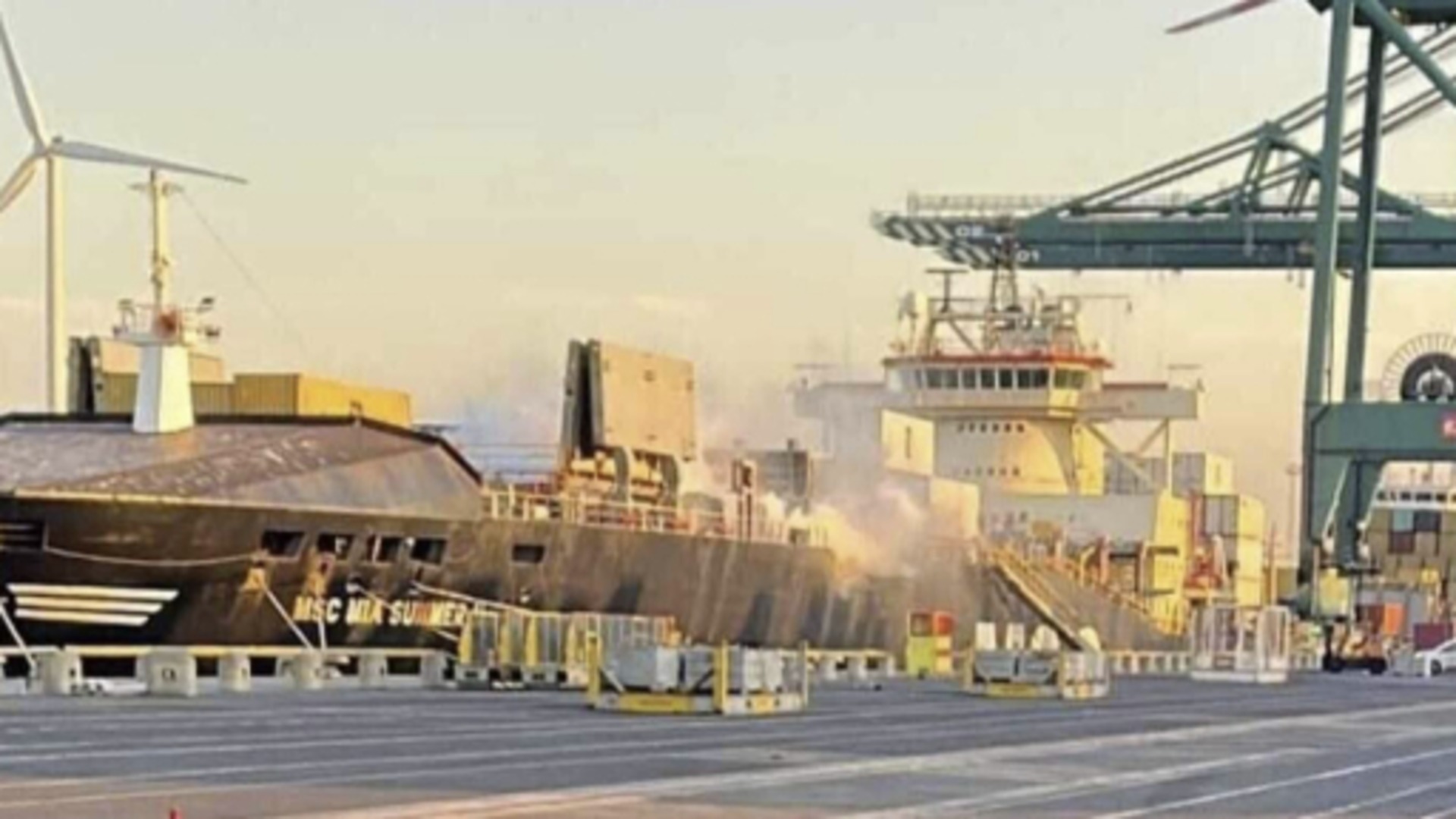

A hazardous chemical leak aboard an MSC-operated containership prompted a large-scale emergency response and evacuation at the Port of Antwerp on 14 July.
The incident occurred while MSC MIA SUMMER II was berthed at Deurganckdock. According to the Port of Antwerp-Bruges, a container carrying hydrogen fluoride or hydrofluoric acid, commonly identified as HF, was damaged and began leaking aboard the vessel.

Several workers at the terminal became unwell and received immediate medical assistance before being transferred to hospitals. The authorities activated the municipal emergency response phase, deploying firefighters, medical teams, police and hazardous-material specialists to the scene.
Emergency personnel carried out air-quality measurements and established a safety perimeter around the affected area. As a precaution, shipping movements were temporarily suspended, bridges across the Kieldrecht Lock were closed and access to the quay and surrounding roads was restricted.
Local media initially reported that approximately 15 dockworkers had been taken to hospital, including one person in critical condition. The number later increased as additional workers who may have been exposed to HF vapour were sent for precautionary medical examinations.
Belgian media subsequently reported that around 130 people were transported to several hospitals for observation. Approximately 25 were said to have shown symptoms of poisoning or exposure, while one person was admitted to intensive care. The Port of Antwerp-Bruges had not confirmed a final consolidated casualty figure at the time of its latest update.
The incident occurred within the MSC PSA European Terminal, or MPET, at Deurganckdock. Local industry reports said the vessel was engaged in container-handling operations when the damaged unit began leaking.
Some reports suggested that the container had developed an opening measuring approximately 10 centimetres, although the cause of the damage, the concentration of the substance and the total volume released have not been officially confirmed.
Terminal operations in the affected area were halted and personnel were evacuated. Companies operating within the designated safety zone faced temporary restrictions, while truck operators collecting or delivering cargo were advised to contact terminals and customers before entering the port.
The port authority said most businesses in the wider Waasland port area remained unaffected. The boundaries of the safety zone were being continuously reassessed according to air-quality readings, weather conditions and instructions from emergency services.

MSC-operated vessel remains alongside
Xinde Marine News vessel data shows that MSC MIA SUMMER II, IMO 9169067, is a Liberia-flagged fully cellular containership built in 1999 by HDW in Kiel, Germany.
The vessel has a length of approximately 216 metres, a beam of 26.7 metres, a gross tonnage of 25,219 and a deadweight capacity of about 25,645 tonnes.
Its registered owner is listed as Mia Summer Naviera, while the beneficial owner, commercial operator and shipmanager are within the MSC group. Technical management is handled by MSC Shipmanagement Ltd, and the vessel is entered with Steamship Mutual for protection and indemnity cover.

The ship had sailed from Felixstowe in the United Kingdom and arrived in Antwerp on 13 July. AIS information showed that it remained moored at Deurganckdock on the morning of 15 July, with a reported draught of around 10 metres.
Symptoms may be delayed for up to 36 hours
Hydrogen fluoride is a highly corrosive and toxic industrial chemical. When dissolved in water, it forms hydrofluoric acid. Exposure can occur through skin or eye contact, or through inhalation of vapour.
The Port of Antwerp-Bruges warned that exposed individuals may suffer skin pain, redness and chemical burns, as well as coughing, breathing difficulties, chest discomfort, eye pain or blurred vision.
A particular concern is that symptoms may not appear immediately. Some effects can be delayed for several hours and may continue to develop for up to 36 hours after exposure, which explains why a large number of port workers were sent to hospital for observation even when they initially showed few or no symptoms.
Anyone who may have come into contact with the substance was advised to leave the area immediately, remove contaminated clothing, rinse affected skin or eyes with large quantities of water and seek medical attention as soon as possible.
As of the latest available update, authorities had not disclosed the precise quantity of HF released, the cause of the container damage or details of the dangerous-goods declaration and stowage arrangements.
The full resumption of operations at Deurganckdock will depend on further air-quality testing, hazardous-material removal and confirmation from emergency services that the area is safe.

READ MORE
 Safety
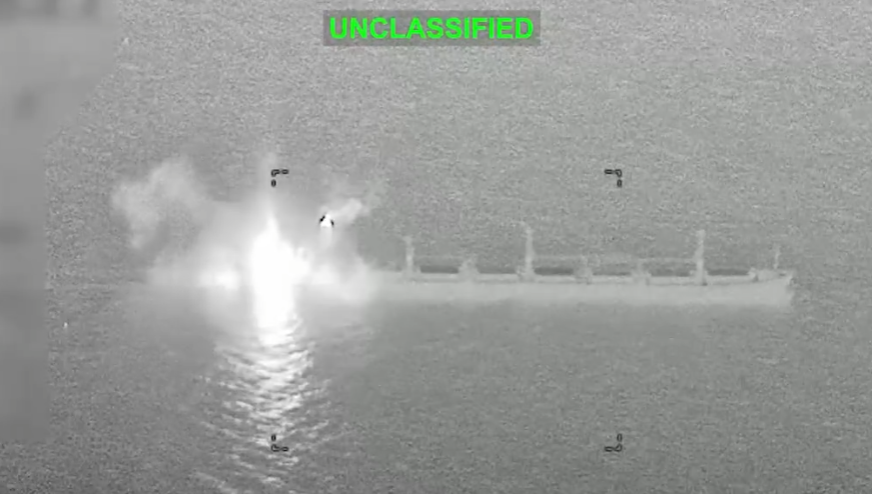
US Says It Disabled Hong Kong-Owned Bulker off Oman
 Safety
Attacked Just 42Days After Delivery: George Prokopiou’s 115,000-Dwt Tanker Hit in Hormuz
 Safety
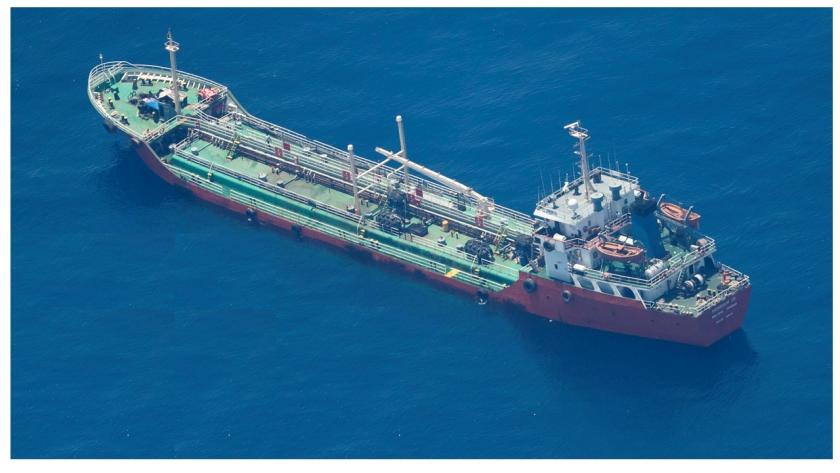
Five Seafarers Reported Dead as Puntland Retakes Hijacked Tanker Honour 25
 Safety
Middle East war leaves mounting toll on merchant shipping
 Safety
China-U.S. Consensus Highlights Free Navigation: No Country or Entity Should Impose Transit Fees on International Waterways
 Safety
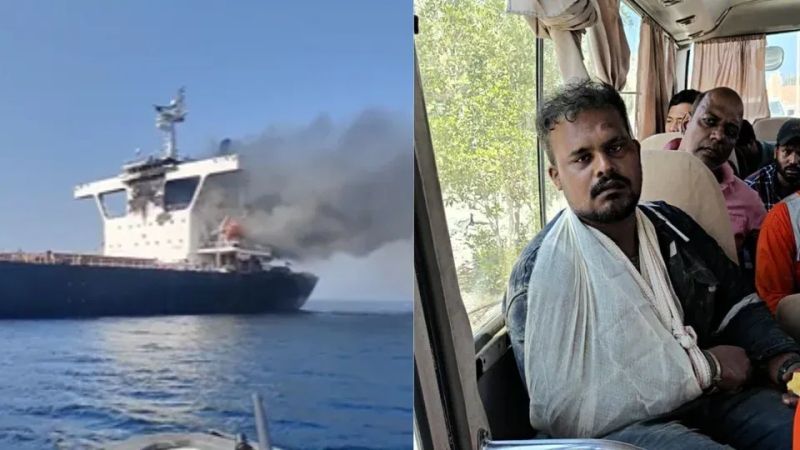
1 seafarer killed, Fatal attack in the Strait of Hormuz: Capesize bulker CAPE DAO hit by unknown projectile
 Safety
25 Crew Abandon MSC Container Ship in the South China Sea — All Rescued, Vessel Still Adrift
 Safety
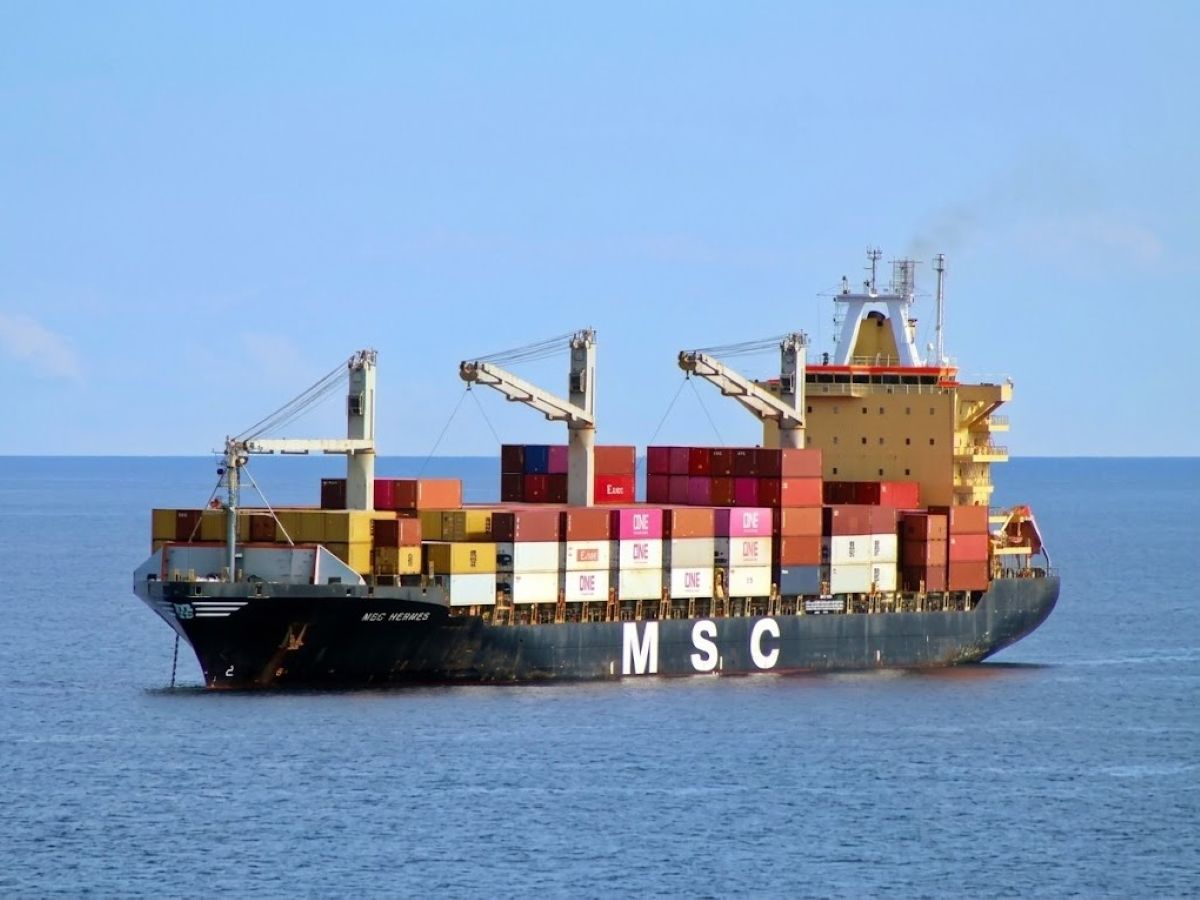
MSC Hermes III Adrift Unmanned in South China Sea After 25 Crew Abandon Ship
 Safety
Dangerous Goods Container Fire Reported at NPCT1 Terminal in Jakarta
 Safety