


U.S. Reimposes Iran Oil Sanctions and Launches Strikes After Attacks on Commercial Shipping
The United States has moved to intensify pressure on Iran after a series of attacks on commercial vessels in and near the Strait of Hormuz, combining renewed economic sanctions with retaliatory military strikes against Iranian targets.
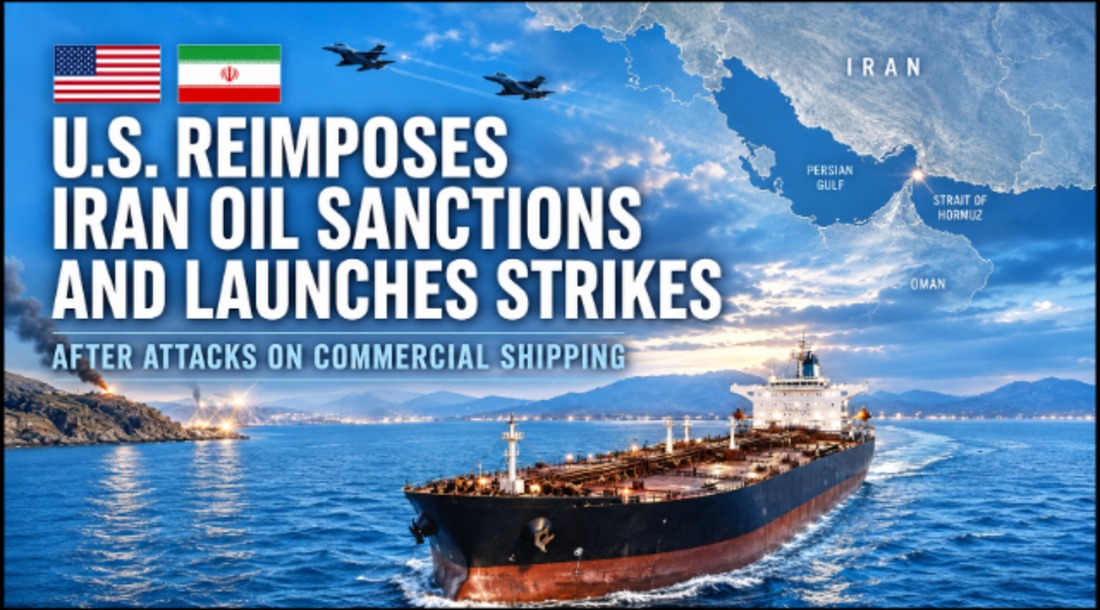

According to Reuters, Washington has revoked a general license that had allowed Iran to sell crude oil, petrochemical products and petroleum products under an interim arrangement. The authorization had previously allowed Iranian oil sales through August 21, but the U.S. decision now requires related transactions to be wound down by July 17. Oil prices rose after the announcement, reflecting renewed market concern over supply risk and the security of one of the world’s most important energy corridors.
The sanctions move came after three tankers were reported to have been struck by projectiles in or near the Strait of Hormuz. Reuters reported that U.S. officials viewed the attacks as unacceptable and warned that they would carry consequences. There was no immediate claim of responsibility, while Tehran did not immediately comment on the allegations.
At the same time, the U.S. military launched a new wave of strikes against Iran. Reuters reported that U.S. Central Command said it had hit more than 80 targets, including more than 60 small boats linked to Iran’s Islamic Revolutionary Guard Corps, in an effort to degrade Iran’s ability to attack commercial shipping. A U.S. official told Reuters that the strikes targeted Iranian air defense systems, coastal surveillance systems, surface-to-air missiles, anti-ship cruise missiles and drone launch sites.
The U.S. response marks a significant escalation in the already fragile security situation around Hormuz. The waterway remains a critical route for crude oil, refined products and LNG shipments. Any sustained disruption could affect tanker scheduling, war-risk premiums, vessel availability, chartering sentiment and energy prices.
For shipowners, charterers, insurers and traders, the latest developments raise two immediate concerns. The first is physical security: vessels transiting the Strait of Hormuz and nearby waters may face higher threat levels, potential delays and additional routing or escort considerations. The second is sanctions compliance: any transaction involving Iranian-origin crude, petroleum products or petrochemicals will now require renewed scrutiny, especially as the U.S. wind-down period approaches.
Iran condemned the U.S. strikes as an act of aggression and warned that it would take measures it considered necessary to protect its interests and national security, according to Reuters. This means the risk of further retaliation remains high, and the situation could continue to evolve quickly over the coming days.
For global shipping, the message is clear: the Hormuz risk has moved beyond isolated incidents. It is now a combined maritime security, sanctions, insurance and energy-market issue. Tanker and LNG operators in particular will need to closely monitor military developments, updated government advisories, charterparty exposure, insurance coverage and compliance guidance before fixing or transiting in the region.


READ MORE
 Safety
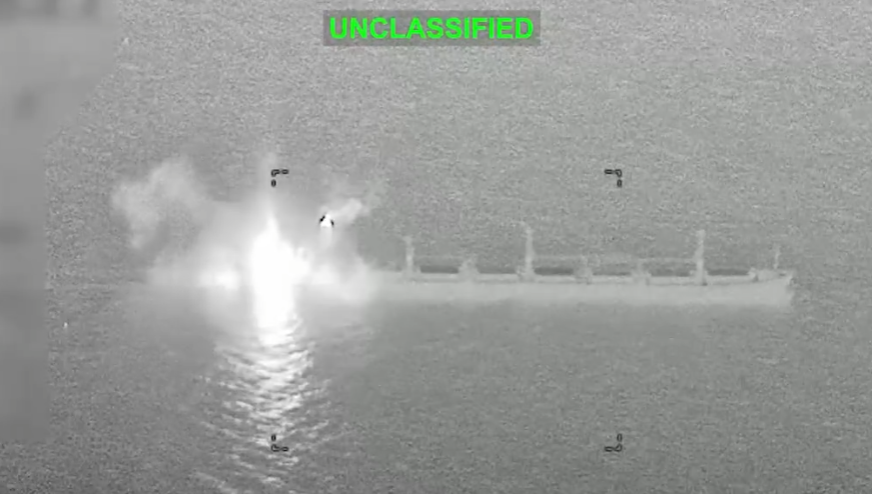
US Says It Disabled Hong Kong-Owned Bulker off Oman
 Safety
Attacked Just 42Days After Delivery: George Prokopiou’s 115,000-Dwt Tanker Hit in Hormuz
 Safety
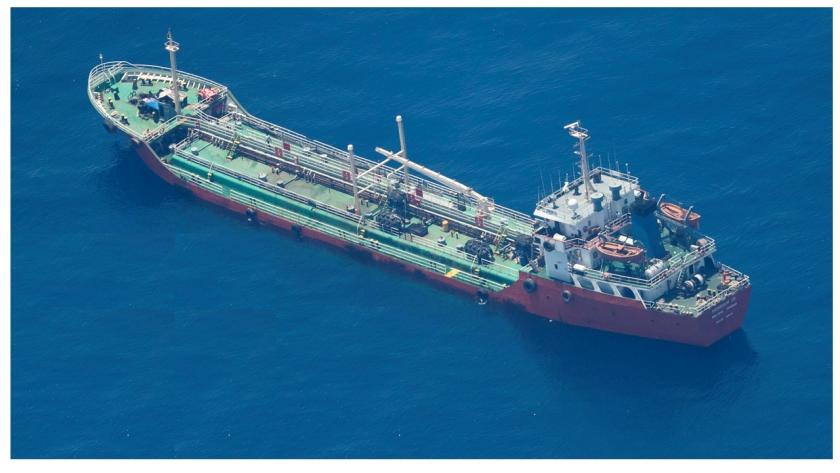
Five Seafarers Reported Dead as Puntland Retakes Hijacked Tanker Honour 25
 Safety
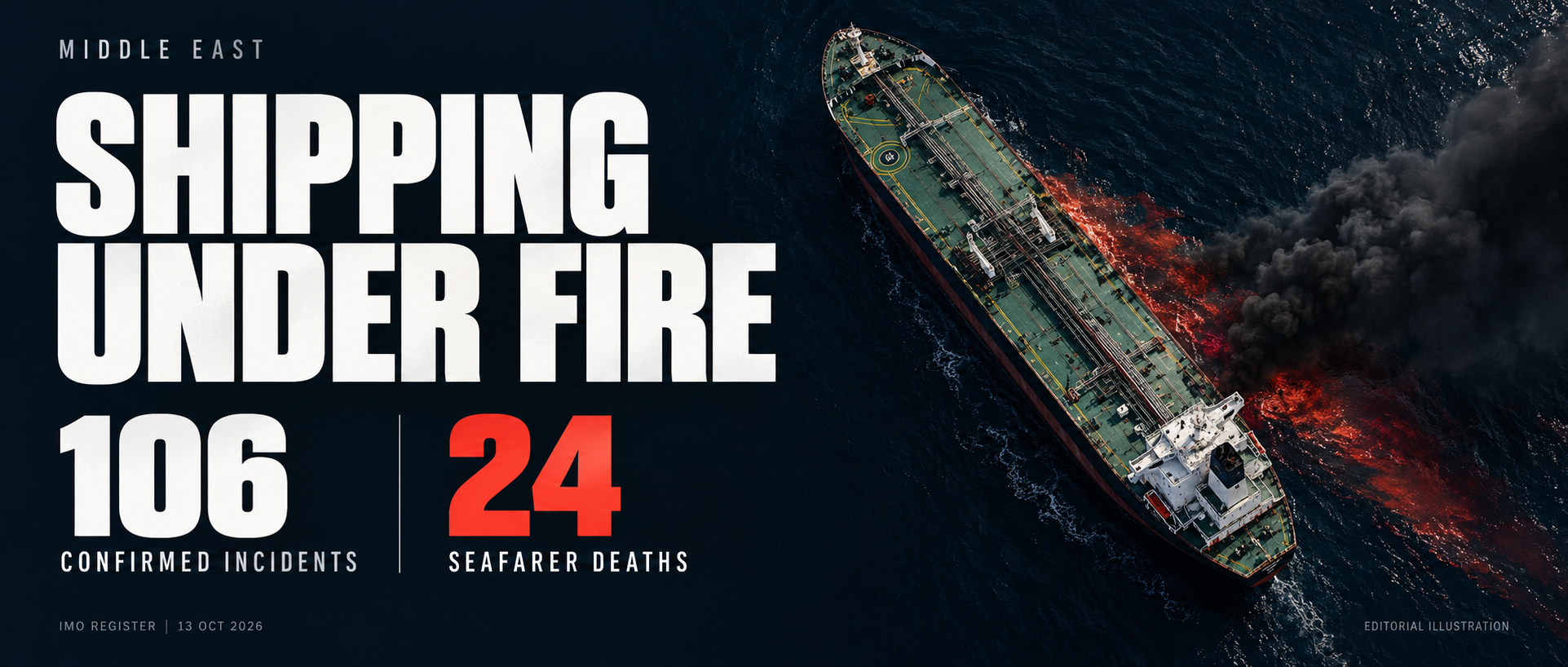
Middle East war leaves mounting toll on merchant shipping
 Safety
China-U.S. Consensus Highlights Free Navigation: No Country or Entity Should Impose Transit Fees on International Waterways
 Safety
1 seafarer killed, Fatal attack in the Strait of Hormuz: Capesize bulker CAPE DAO hit by unknown projectile
 Safety
25 Crew Abandon MSC Container Ship in the South China Sea — All Rescued, Vessel Still Adrift
 Safety
MSC Hermes III Adrift Unmanned in South China Sea After 25 Crew Abandon Ship
 Safety
Dangerous Goods Container Fire Reported at NPCT1 Terminal in Jakarta
 Safety