


MISC Group has taken another step into the emerging liquefied carbon dioxide shipping market.
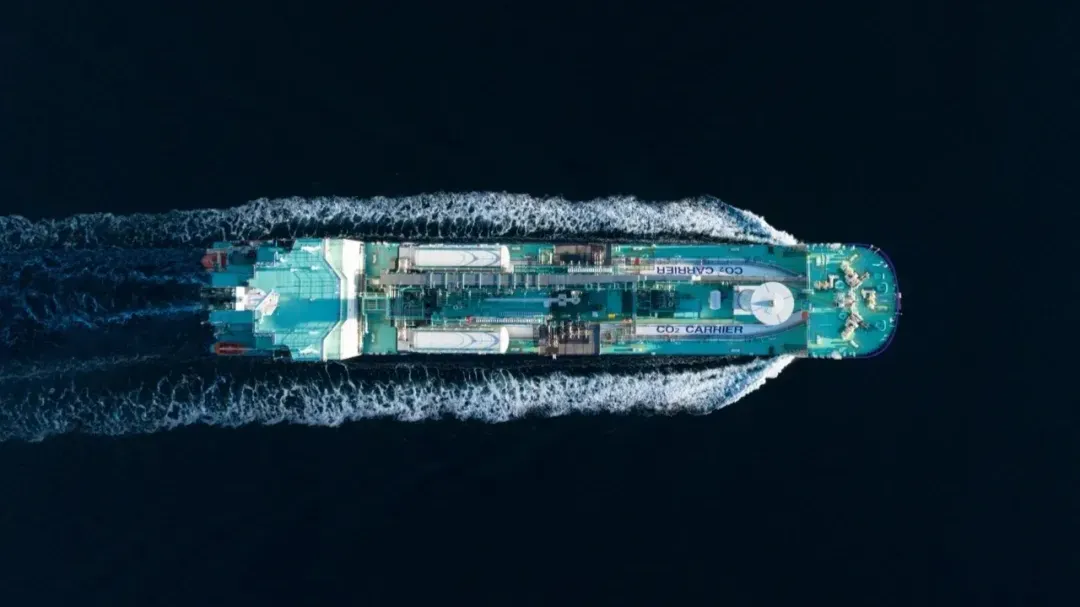
MISC Group has taken another step into the emerging liquefied carbon dioxide shipping market, securing a second long-term charter award from Northern Lights together with Japanese partner "K" line (Kawasaki Kisen Kaisha, Ltd) .
MISC Group, in partnership with Kawasaki Kisen Kaisha Ltd. (“K” LINE), has secured a second long-term time charter party from Northern Lights JV DA for an additional newbuild liquefied carbon dioxide carrier.
The award was made on 29 May 2026. It follows the first time charter agreement secured by MISC and K LINE on 29 January 2026. The two vessels will be co-owned through the existing MISC–K LINE joint venture structure and will be deployed to support Northern Lights’ carbon capture and storage transport and storage network in Europe.
The new vessel will have a capacity of 12,000 cubic metres. It will be purpose-built to transport captured and liquefied CO₂ from industrial hubs across Europe to permanent offshore storage facilities in Norway.
For MISC, the second award is more than a follow-on order. It marks a further expansion into a new maritime segment that sits directly within the carbon management value chain.
Zahid Osman , President and Group CEO of MISC, said the second vessel award reinforces the group’s confidence in the long-term potential of LCO₂ shipping and represents another step in expanding MISC’s portfolio of future-focused maritime solutions.
He said the project would strengthen MISC’s position in an emerging market by developing the capabilities, expertise and strategic partnerships needed to support the evolving carbon management value chain. He also linked the award to MISC’s “Delivering Progress” strategy, particularly its “Profitable New Energy” pillar.
According to MISC, the two LCO₂ carriers will complement Northern Lights’ existing fleet and directly support the project’s planned capacity expansion. The vessels are also expected to allow Northern Lights to serve a broader base of commercial customers across Europe.
Both carriers are expected to feature dual-fuel LNG propulsion. MISC said this aligns with its focus on safety, operational reliability and environmental performance, while also meeting high regulatory and decarbonisation standards.
MISC moves deeper into a new shipping segment
The award confirms MISC’s intention to build an early position in LCO₂ shipping.
MISC has long been active in energy shipping, LNG, offshore assets and maritime services. The LCO₂ segment gives the group a new route into the energy transition, not only through lower-carbon marine operations, but also through direct participation in the infrastructure required for carbon capture and storage.
This is significant because LCO₂ shipping is still at an early stage. The segment requires a different mix of technical capability, long-term project development, industrial partnerships and regulatory alignment. Compared with conventional tanker or gas carrier trades, the business is more closely tied to specific CCS projects and long-term carbon management contracts.
MISC’s second Northern Lights award therefore gives the Malaysian group a stronger platform in a market that may grow as more European industrial emitters look for transport solutions for captured CO₂.
For industrial sites that are not directly connected to pipeline networks, shipping can become an important link between capture points and storage locations. This creates a potential role for specialist LCO₂ carriers in cross-border and regional carbon transport chains.
DSIC Offshore continues to build for Northern Lights
At the shipbuilding end, Dalian Shipbuilding Offshore Co., Ltd. has signed the construction contract with MISC for the second 12,000 cbm LCO₂ carrier.
The vessel is scheduled for delivery in the second quarter of 2029. It will be 145 metres long and 26 metres wide, fly the Singapore flag and be classed by DNV.
The ship will be fitted with four independent Type C tanks. It will use LNG dual-fuel propulsion and meet EEDI Phase III requirements. The design also includes main engine exhaust gas monitoring, a shaft generator, ammonia-fuel-ready features and onboard carbon capture readiness.
The vessel is also designed to meet DNV’s highest QUIET notation requirements. During cargo loading and unloading, the ship is expected to achieve zero emissions at the terminal side, reducing both air pollution and noise impact during port operations.
These features matter because the vessel will serve a decarbonisation supply chain. A CO₂ carrier’s own environmental profile, energy efficiency and future upgrade potential will influence the overall carbon footprint and long-term value of the CCS transport chain.
DSIC Offshore has already played a central role in the Northern Lights fleet. The yard built the first-generation 7,500 cbm LCO₂ carriers for the project and is now moving into the larger 12,000 cbm class.
On the same day as the latest signing, the fourth 7,500 cbm LCO₂ carrier for Northern Lights, Northern Purpose, was delivered. Earlier vessels including Northern Pioneer, Northern Pathfinder and Northern Phoenix have already been delivered or entered service preparations.
With the latest award, Northern Lights’ fleet is set to expand to eight vessels. DSIC Offshore is building six of them, covering both the 7,500 cbm first-phase ships and the 12,000 cbm second-phase vessels.
Northern Lights scales up
Northern Lights is Europe’s first open-access CO₂ transport and storage project. It is owned by Equinor, Shell and TotalEnergies.
The project is designed to receive captured CO₂ from industrial customers, transport it by ship to a receiving terminal on Norway’s west coast, and then send it by pipeline for permanent storage under the seabed.
The first phase used 7,500 cbm LCO₂ carriers. The second phase is moving to 12,000 cbm vessels. This increase in ship size reflects the project’s move from demonstration and early commercial operation toward larger-scale deployment.
After the second-phase expansion, Northern Lights is expected to lift its transport and storage capacity to more than 5 million tonnes of CO₂ per year.
MISC and K LINE’s second 12,000 cbm vessel will form part of that capacity expansion.
A new project-based shipping market is taking shape
The latest award shows that LCO₂ shipping is moving from concept to contracted projects.
The early business model is already taking shape. CCS project developers need dedicated vessels. Shipowners enter through long-term time charters. Specialist yards build purpose-designed ships. Energy majors, industrial emitters and maritime companies form long-term partnerships around the carbon transport chain.
For MISC, this creates a new growth path linked to energy transition infrastructure. The group is not only adding another vessel. It is building experience in a shipping segment that could become increasingly important as CCS projects scale up across Europe and other regions.
For the wider market, the Northern Lights fleet expansion is an important signal. CO₂ shipping remains small today, but real orders, long-term charters and dedicated vessel designs are beginning to define the sector.
MISC’s second award with K LINE places the Malaysian owner among the early movers in this emerging business. It also shows that carbon transport is becoming a maritime opportunity in its own right.
As more CCS projects move toward commercial operation, demand for dedicated LCO₂ carriers is likely to become more visible. MISC has now secured two vessels in one of the world’s most closely watched CCS shipping projects, giving it a stronger position in a market that is still young, but already moving from trial to scale.

READ MORE
 Sustainability
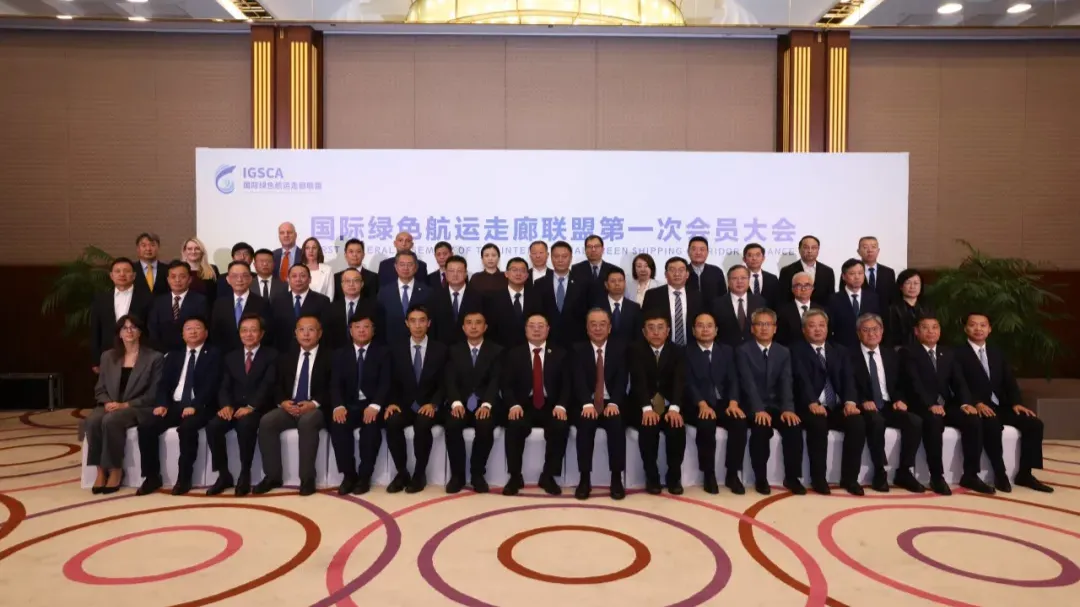
COSCO , CMA CGM and SIPG Join Launch of International Green Shipping Corridor Alliance
 Sustainability
Zero-Emission-Capable Ship Orders Slide as IMO Uncertainty Weighs on 2030 Target
 Sustainability
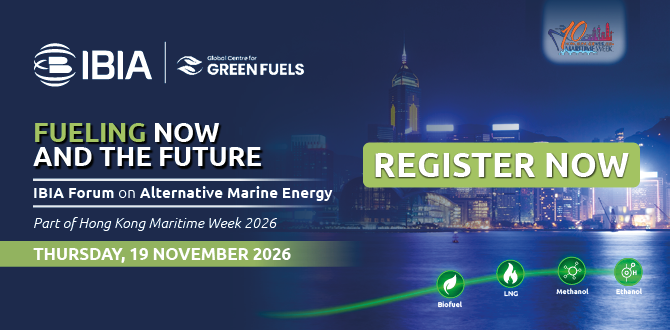
Fueling Now and the Future: IBIA Hong Kong Forum on Alternative Marine Energy
 Sustainability
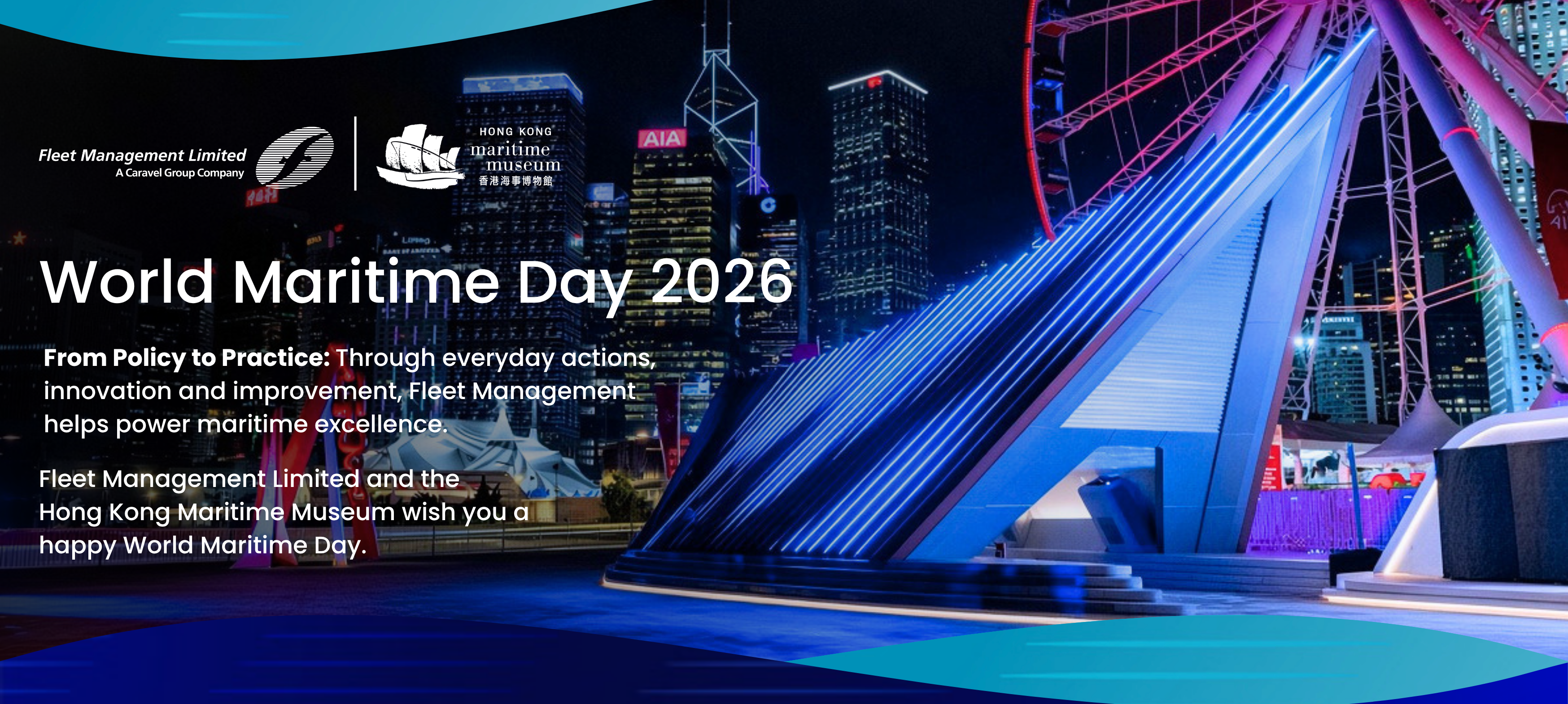
Fleet Management Lights Up Anchor Plaza in Blue for World Maritime Day 2026
 Sustainability
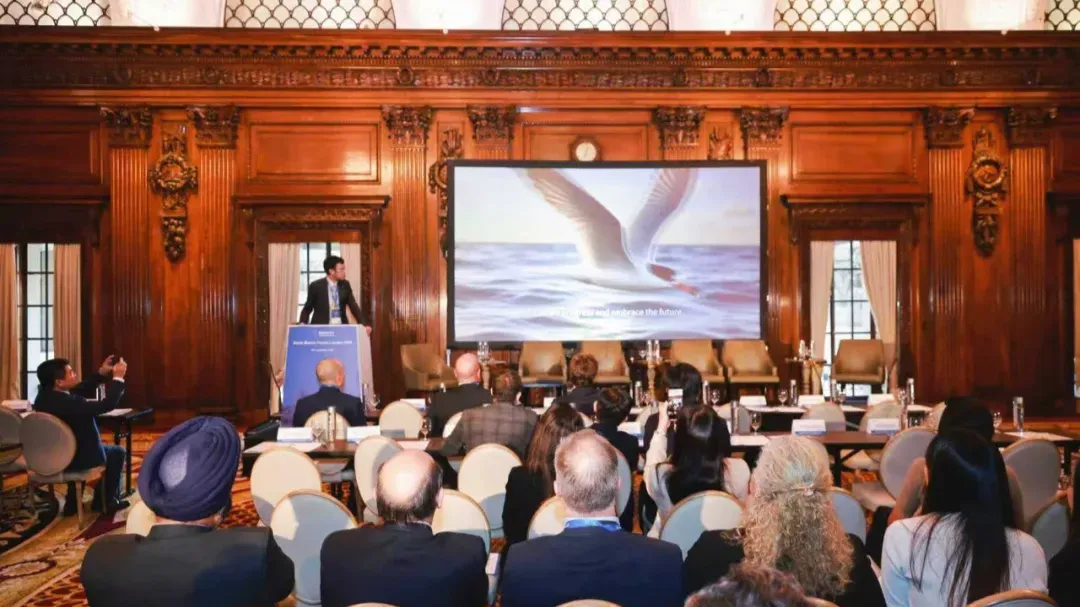
WMMF 2026 Promotional Film Debuts in London
 Sustainability
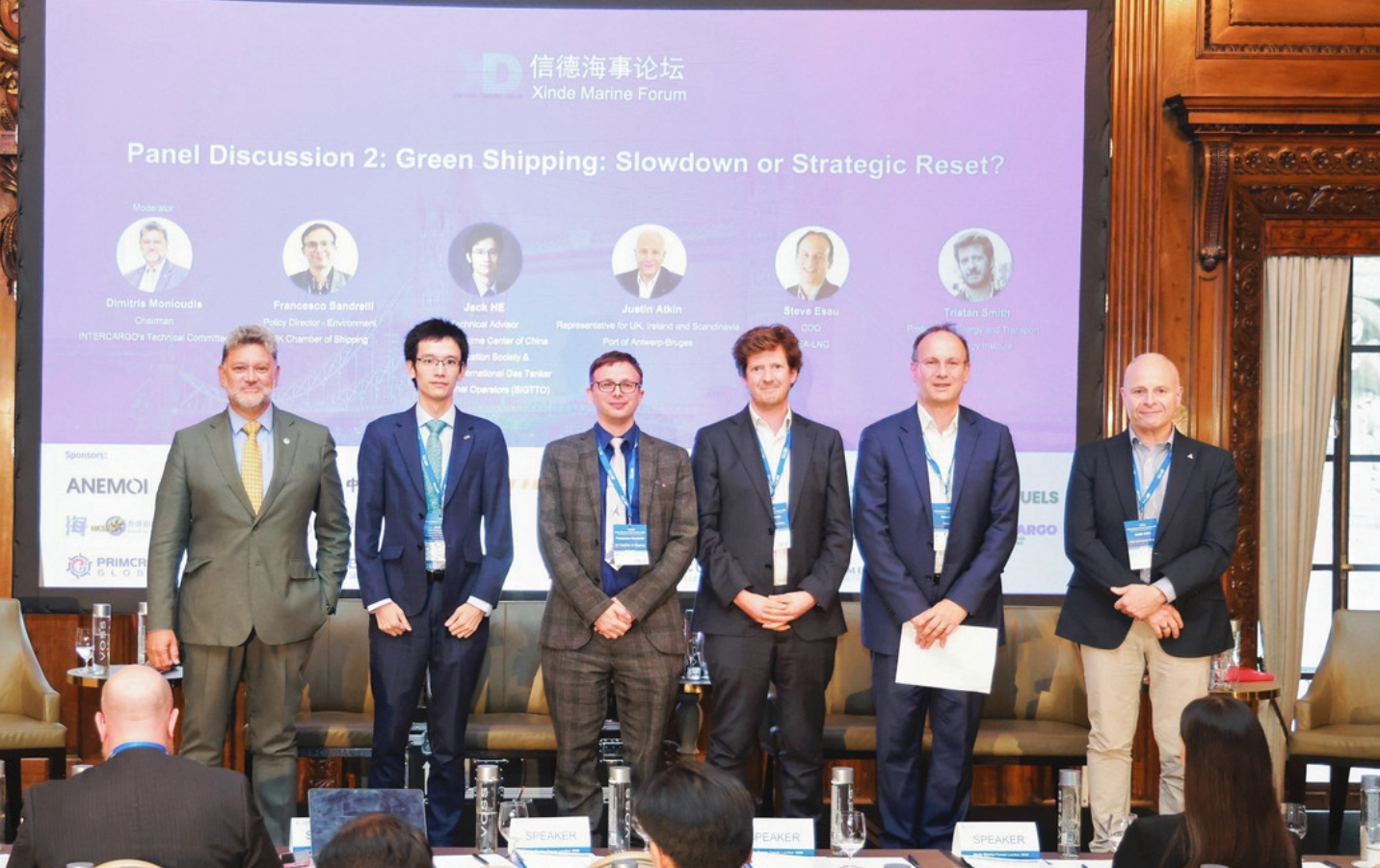
Xinde Marine Forum London 2026: Green Shipping Enters a Strategic Reset
 Sustainability
Shipping Has a Net-Zero Target — but Still Lacks the Rules to Deliver It
 Sustainability
Chimbusco completes first ammonia bunkering operation
 Sustainability
324 days ahead of schedule — another milestone for China’s shipbuilding industry
 Sustainability