


Fortescue warns Owners should not Behave like Sheep
Andrew Hoare says the energy crisis exposes shipping’s dependence on hydrocarbons, not a reason to abandon green fuels
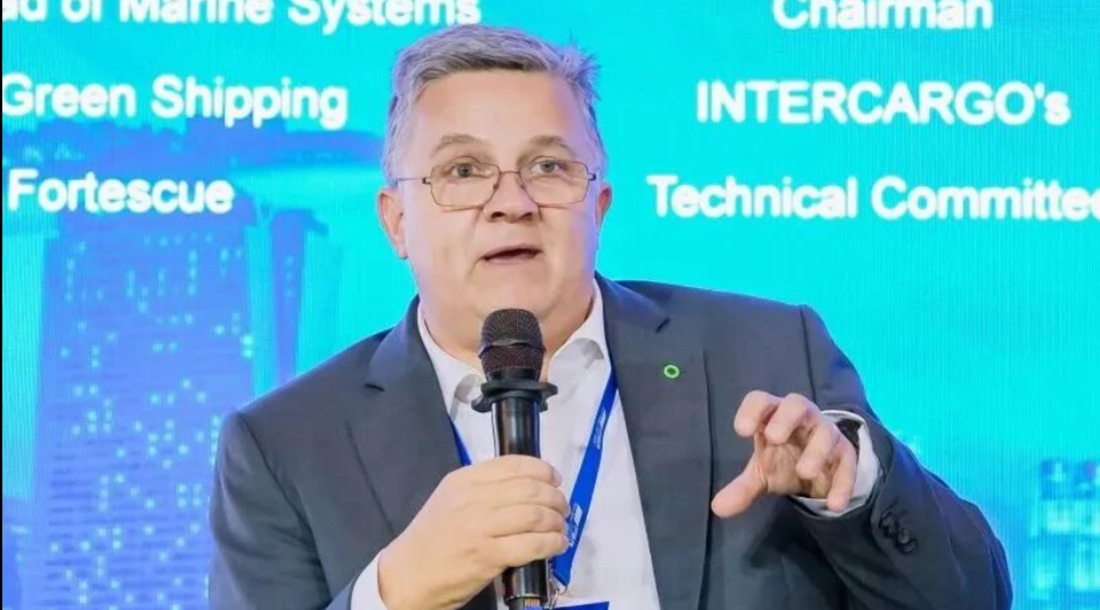

Fortescue's green shipping chief Andrew Hoare has warned shipowners not to retreat to conventional fuels just because the future fuel pathway remains uncertain.
Speaking at the 4th Xinde Marine Forum Singapore, Hoare said the current energy crisis should not be read as a reason to slow green shipping. Instead, he argued, it exposes how deeply global trade, food security and shipping remain tied to fossil fuels.
“We are in the midst of an energy crisis,” Hoare said. “Actually, in the midst of a hydrocarbon crisis.”
That distinction matters.
For Hoare, the risk is not simply high fuel prices. The bigger risk is that shipping continues to build long-life assets around a fuel system that may become increasingly expensive under future carbon rules.
He pointed to recent newbuilding activity as a concern.
Many owners, faced with fuel uncertainty and regulatory hesitation, have moved back towards conventional-fuel orders. Hoare said this does not mean capital has left shipping. Owners are still ordering ships. But much of that capital is once again going into familiar fuel choices.
That may look prudent today. It may not look so prudent in 10 or 20 years.
Ships ordered now will trade well into the 2040s. If they are locked into conventional fuels, owners could be exposed to rising carbon costs from the IMO, the EU or other regional regimes.
Hoare's advice was blunt: “Keep the options open, look forward, don't look back.”
He was not arguing that every owner should choose the same alternative fuel. He was equally clear that owners should not blindly follow the crowd.
“Owners should not behave like sheep,” he said.
Hoare described himself as more of an “ammonia guy” than a “methanol guy”, but his point was not that the industry should all rush into ammonia. His point was that each owner must judge its own cargo flows, routes, customers, fuel access and long-term carbon exposure.
Green shipping is not a fashion cycle. It has to work in real trade.
That is why Hoare pointed to early movers such as CMB, which ordered ammonia-fuelled large bulk carriers before the pathway had broad industry confidence. Those ships are now moving closer to delivery and testing, backed by real cargo arrangements.
For cargo owners such as Fortescue, that is the real test.
A green ship needs more than a fuel concept. It needs cargo, contracts and commercial use. Without cargo owner participation, alternative-fuel ships risk remaining demonstration assets. With long-term cargo flows, they can begin to enter real operation.
Fortescue is not a traditional shipping company, but it is one of the world’s major dry bulk cargo owners. Since shipping its first iron ore in 2008, the Australian miner has exported 2.5bn tonnes of iron ore and now ships close to 200m tonnes a year.
That makes its view on shipping fuel important.
Fortescue is also trying to reposition itself beyond iron ore, with a strategy built around green energy, green metals, green fuels and industrial decarbonisation. Its interest in green shipping is therefore not a public relations exercise. It is part of a supply chain strategy.
Hoare also challenged the way the industry talks about cost.
Green fuels are often criticised for being expensive. But conventional fuels are cheap partly because the world has spent decades building the oil and gas system around them — production, storage, bunkering, finance and infrastructure.
Green fuels are still at the beginning of that curve.
The question, therefore, is not only who pays for green fuel today. It is who helps build the system that can make green fuels cheaper tomorrow.
Hoare's broader point was that energy independence and carbon cost will reshape trade.
As oil, gas and carbon become tools of geopolitical leverage, countries will invest more in energy security, local infrastructure and new industrial supply chains. That will create new trade flows as well as new risks.
For a miner such as Fortescue, green shipping is linked to much more than vessel fuel. It is tied to future commodity flows, green metals, ammonia, infrastructure and carbon exposure.
Hoare's message to owners was simple.
The industry should not return to yesterday's fuels just because tomorrow's fuel system is unclear.
The biggest risk may not be choosing too early.
It may be choosing too late.

READ MORE
 Sustainability
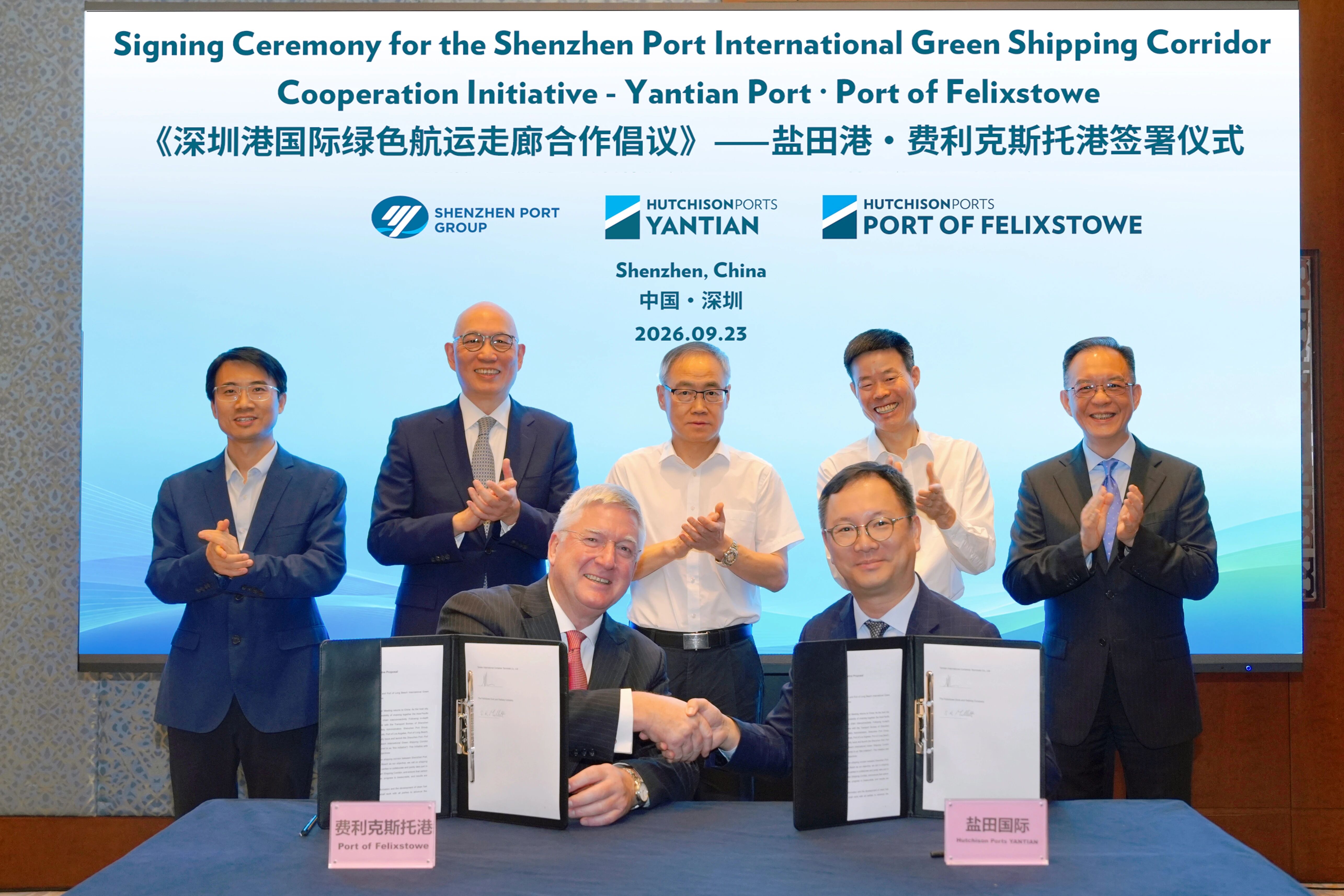
Yantian and Felixstowe Sign Green Shipping Corridor Cooperation Initiative
 Sustainability
Japan Completes Methanol Transport and Bunkering Vessel
 Sustainability
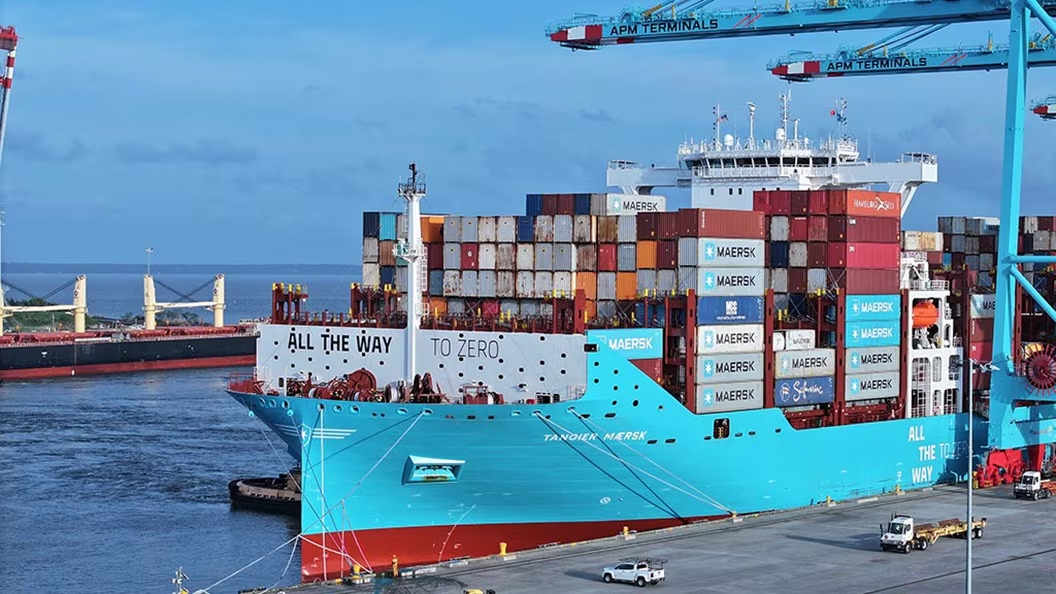
Maersk Bunkers U.S.-Produced Corn Ethanol
 Sustainability
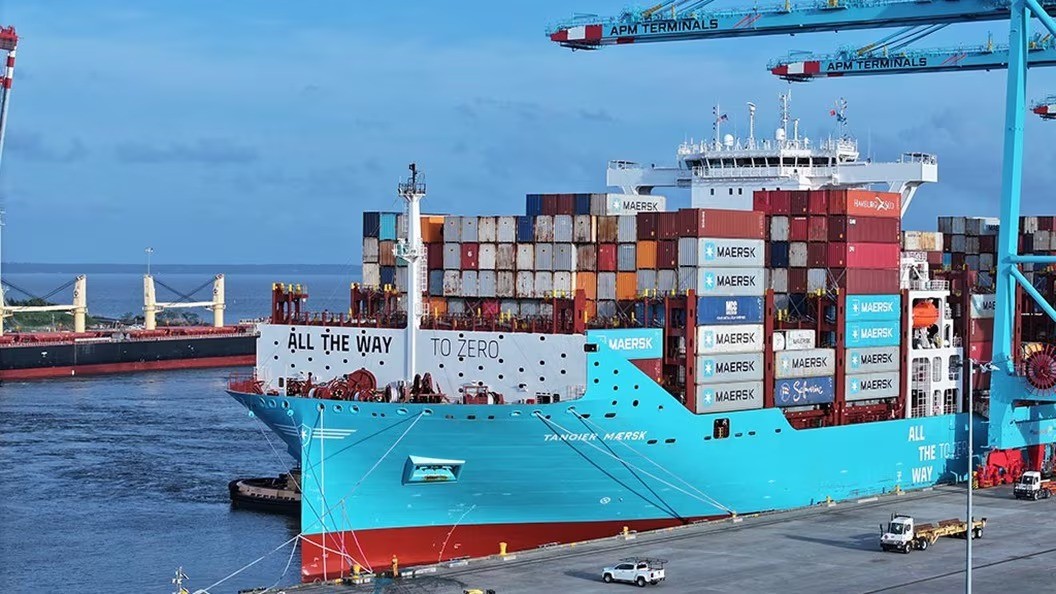
Maersk Completes First U.S. Ethanol Bunkering for a Deep-Sea Containership
 Sustainability
‘While I am President, there will be no global taxes’
 Sustainability
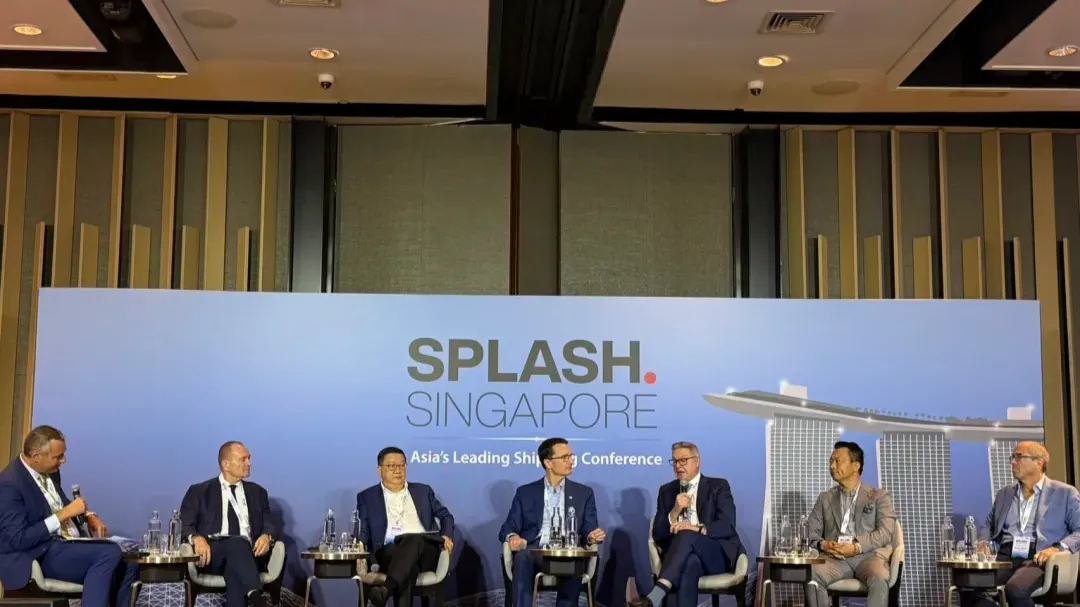
When the Future Can No Longer Be Predicted, How Do Shipping Companies Survive?
 Sustainability
Fleet Management Lights Up Anchor Plaza in Blue for World Maritime Day 2026
 Sustainability
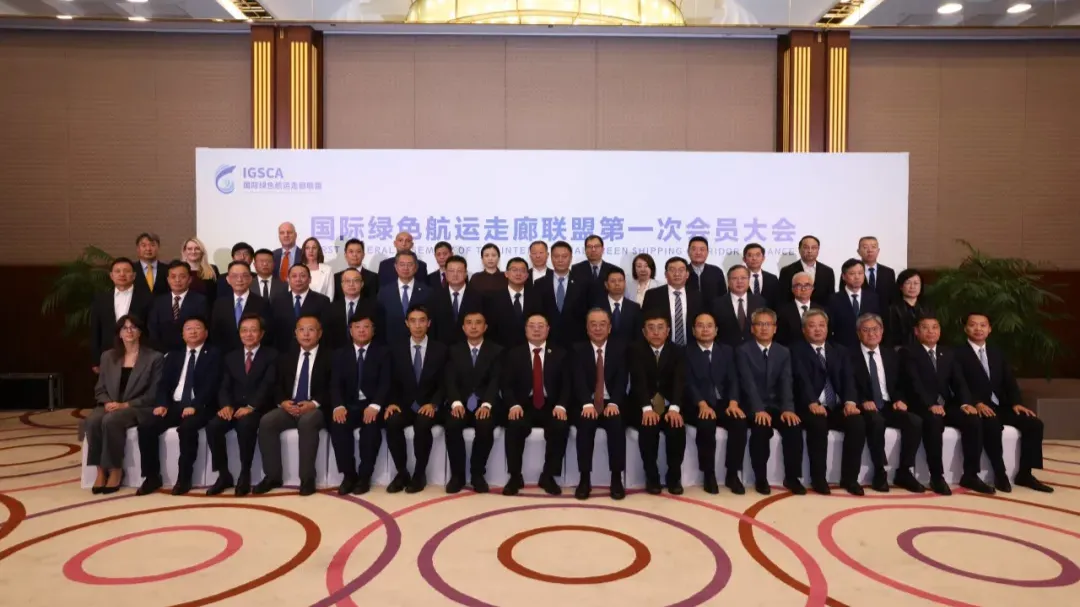
COSCO , CMA CGM and SIPG Join Launch of International Green Shipping Corridor Alliance
 Sustainability
Zero-Emission-Capable Ship Orders Slide as IMO Uncertainty Weighs on 2030 Target
 Sustainability