


Trafigura, Frontline and CMB.TECH Are Joining Forces: A Strategic Bet on the Future of Marine Fuels
Shipowners and energy traders are reshaping the marine fuel supply chain.
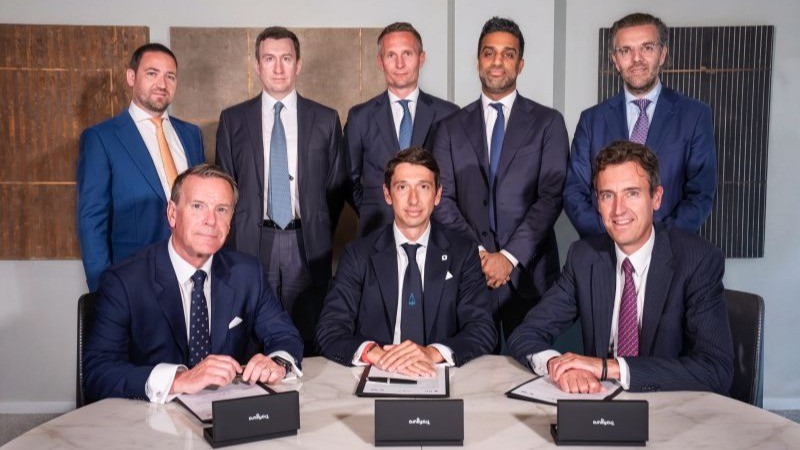
On 27 May, global marine fuel supplier TFG Marine announced that CMB.TECH will increase its shareholding in the company and commit to sourcing the bunker fuel requirements of CMB.TECH and its affiliates through the joint venture.
Under the revised shareholder arrangements, effective from 1 June 2026, CMB.TECH will raise its equity stake in TFG Marine from 10% to 15%. Following completion of the transaction, TFG Marine’s ownership structure will be 70% Trafigura, 15% Frontline Plc and 15% CMB.TECH.
At first glance, this is a shareholder adjustment in a bunkering platform. But in the current shipping environment, it points to something much bigger. Major commodity traders, large shipowners and future-fuel-focused maritime groups are building deeper links around bunker procurement, fuel security, digital delivery and the future supply chain for alternative marine fuels.
CMB.TECH Deepens Its Commitment to TFG Marine
There are two important elements in CMB.TECH’s move.
First, CMB.TECH is increasing its stake in TFG Marine from 10% to 15%. Second, it has committed to channelling the bunker fuel requirements of CMB.TECH and its affiliates through TFG Marine.
According to the announcement, CMB.TECH and its affiliates represent a fleet of around 250 ocean-going vessels. This fleet spans dry bulk vessels, crude oil tankers, chemical tankers, container vessels and offshore energy vessels. For any marine fuel supplier, that represents a sizeable, stable and long-term base of demand.
CMB.TECH CEO Alexander Saverys said the company inherited its shareholding in TFG Marine through its acquisition of Golden Ocean. After the integration, CMB.TECH was able to witness the quality of TFG Marine’s service to the market and decided to centralise its bunkering requirements through the platform.
That statement is significant. CMB.TECH’s increased stake is not merely a financial investment. It is also a restructuring of its fuel procurement system. TFG Marine is being brought closer into CMB.TECH’s long-term fleet operation and fuel strategy.
What Is TFG Marine?
TFG Marine was formed in 2020 by Trafigura, Frontline Management AS and @Golden Ocean as an international marine fuel supply and procurement joint venture.
The timing of its formation was important. Around 2020, the global shipping industry had just entered the IMO 2020 low-sulphur fuel era. Shipowners were paying far more attention to fuel quality, supply reliability, price transparency and compliance risk. For large fleets, bunker procurement was no longer a routine operational function. It had become a core variable affecting cost, safety and regulatory performance.
TFG Marine was built against this backdrop.
According to the company, TFG Marine now supplies more than 10 million metric tonnes of marine fuels per year across 35 strategic bunkering hubs worldwide. It positions itself as a modern, simplified and transparent platform designed to bridge every stage of the bunkering process, from procurement to delivery and documentation.
Its shareholder structure is also distinctive.
Trafigura brings global energy trading, logistics, credit, physical supply and market expertise. Frontline brings the real bunker demand of one of the world’s leading tanker fleets. CMB.TECH, through its increased shareholding, brings a large diversified fleet with a strong future-fuel and energy transition profile.
This makes TFG Marine more than a conventional bunker trader. It is closer to a marine fuel infrastructure platform led by a global commodity trader, backed by major shipowners and designed to evolve with the fuel transition.
Frontline and CMB.TECH: From Former Rivals to Co-shareholders
There is also an interesting background to this transaction: Frontline and CMB.TECH are now equal shareholders in TFG Marine.
Only a few years ago, the two sides were involved in a high-profile battle over the control and strategic direction of Euronav. Frontline had pushed for a merger with Euronav to create one of the world’s largest listed tanker platforms. CMB took a different view and eventually gained control of Euronav, later transforming it into today’s CMB.TECH.
The two sides ultimately reached a settlement through a broader transaction. Frontline sold its Euronav stake and acquired 24 modern VLCCs from Euronav. CMB took control of Euronav and pushed forward its strategy around green shipping, diversified fleets and future fuels.
Today, Frontline and CMB.TECH each hold 15% of TFG Marine. They do not have a direct ownership relationship with each other. They are not part of the same corporate group. But in the specific area of marine fuel supply, they now stand on the same platform.
Frontline CEO Lars H. Barstad said Frontline has been part of TFG Marine since day one. He noted that the platform was built to serve the bunker operations of its shareholder fleets, allowing Frontline to focus on its core business while ensuring that fuel supply is handled by experts.
This is a direct reflection of how large shipowners now view bunkering. Fuel supply is increasingly becoming a specialist function that requires scale, risk management, quality control, global network access and future-fuel capability. Shipowners may own vessels, manage fleets and take market exposure, but fuel procurement is becoming more professionalised and more platform-driven.
Why Trafigura Is Building This Platform
Trafigura is the founding and majority shareholder of TFG Marine. After the transaction, it will continue to hold 70% of the company.
Andrea Olivi , Global Head of Shipping at Trafigura, said TFG Marine has become one of the leading marine fuel suppliers in the world, built on operational excellence and supported by digitalisation, modernisation and transparency.
From Trafigura’s perspective, the logic is clear.
Marine fuel is a critical part of the global energy trading system. Ships consume large volumes of fuel every day, and the world’s major ports and shipping lanes require reliable bunker supply networks. For a global commodity trader such as Trafigura, marine fuels connect oil products, storage, terminals, logistics and end-user demand.
At the same time, marine fuels are entering a major transition period. Conventional fuels, low-sulphur fuels, biofuels, methanol, ammonia and other low-carbon fuels all require new supply chain capabilities. Future competitiveness will depend on access to fuel sources, storage and distribution infrastructure, bunkering networks, quality control and customer demand.
This is where TFG Marine’s strategic value becomes clear.
Through TFG Marine, Trafigura can deepen its relationship with major shipowner customers. Shipowners gain access to scaled, transparent and professional marine fuel supply. The platform itself uses shareholder fleet demand as a base from which to expand its global network.
Bunker Procurement Is Becoming Strategic
Historically, bunker procurement was often treated as a cost-control function. Shipowners focused on price, port availability, fuel quality and delivery timing. Today, the issue has become far more complex.
Geopolitical risk is rising. Disruption in the Red Sea, the Black Sea, the Persian Gulf or the Strait of Hormuz can affect vessel routing, voyage planning and bunkering arrangements. Shipowners increasingly need reliable global fuel networks that can support fleet deployment in uncertain conditions.
Environmental regulation is also tightening. CII, the EU ETS, FuelEU Maritime and future IMO mid-term measures will all affect the economics of fuel choice. Fuel procurement is no longer only about price comparison. It now involves carbon intensity, documentation, certification, delivery records and auditability.
Alternative fuels remain at an early stage of development. Methanol, ammonia and biofuels require new production, storage, transport, bunkering and safety-management systems. It is difficult for individual shipowners to solve all of these challenges alone. Large commodity traders also need firm demand signals before committing capital to new infrastructure.
This is why TFG Marine’s model matters. It is pushing bunker supply from a transaction-based business towards a long-term platform model.
In this model, shareholder fleets provide base demand. The commodity trader provides global resources and market access. The platform executes physical delivery, manages transparency and supports the transition toward new fuels. As green methanol, low-carbon ammonia and biofuels scale up, such platforms could become critical channels for bringing future fuels from producers to ships.
CMB.TECH Adds a Future-fuel Dimension
CMB.TECH brings a strong future-fuel profile to the partnership.
The company has been actively developing hydrogen, ammonia and other future-fuel solutions. It has also linked fleet renewal, fuel supply and infrastructure investment as part of its broader maritime strategy. Its business is no longer limited to conventional tankers. It now spans dry bulk, containers, chemical tankers and offshore energy vessels.
CMB.TECH’s increased stake in TFG Marine therefore brings more than additional bunker demand. It may also give TFG Marine more practical scenarios for future-fuel supply chain development.
TFG Marine already supplies more than 10 million metric tonnes of marine fuels per year across 35 strategic bunkering hubs. If such a platform continues to expand into methanol, biofuels and ammonia, it will have meaningful scale advantages.
For CMB.TECH, centralised procurement also makes commercial sense. A diversified fleet of around 250 vessels needs a consistent, reliable and transparent fuel supply system. As different vessel types, fuel pathways and regulatory regimes overlap, shipowners will increasingly depend on specialised marine fuel platforms.
An Early Move in the Future Marine Fuel Supply Chain
On the surface, this transaction is about CMB.TECH increasing its stake in TFG Marine.
From a wider industry perspective, it looks more like an early positioning move in the future marine fuel supply chain.
Trafigura wants to strengthen its access to end-user marine fuel demand and future-fuel markets. Frontline wants reliable fuel supply for one of the world’s leading tanker fleets. CMB.TECH wants a long-term procurement platform to support its diversified fleet and fuel transition strategy. TFG Marine, in turn, can use the support of all three shareholders to expand its position in the global bunker market.
Future competition in shipping will not be limited to vessels, freight cycles and route networks. Fuel supply, carbon-cost management, data transparency and energy security will also become central to the competitiveness of shipowners, charterers and commodity traders.
From this perspective, Trafigura, Frontline and CMB.TECH are indeed working on something important.
They are helping move bunker supply from a traditional procurement function into a strategic pillar of long-term shipping operations.

READ MORE
 Sustainability
COSCO , CMA CGM and SIPG Join Launch of International Green Shipping Corridor Alliance
 Sustainability
Zero-Emission-Capable Ship Orders Slide as IMO Uncertainty Weighs on 2030 Target
 Sustainability
Fueling Now and the Future: IBIA Hong Kong Forum on Alternative Marine Energy
 Sustainability
Fleet Management Lights Up Anchor Plaza in Blue for World Maritime Day 2026
 Sustainability
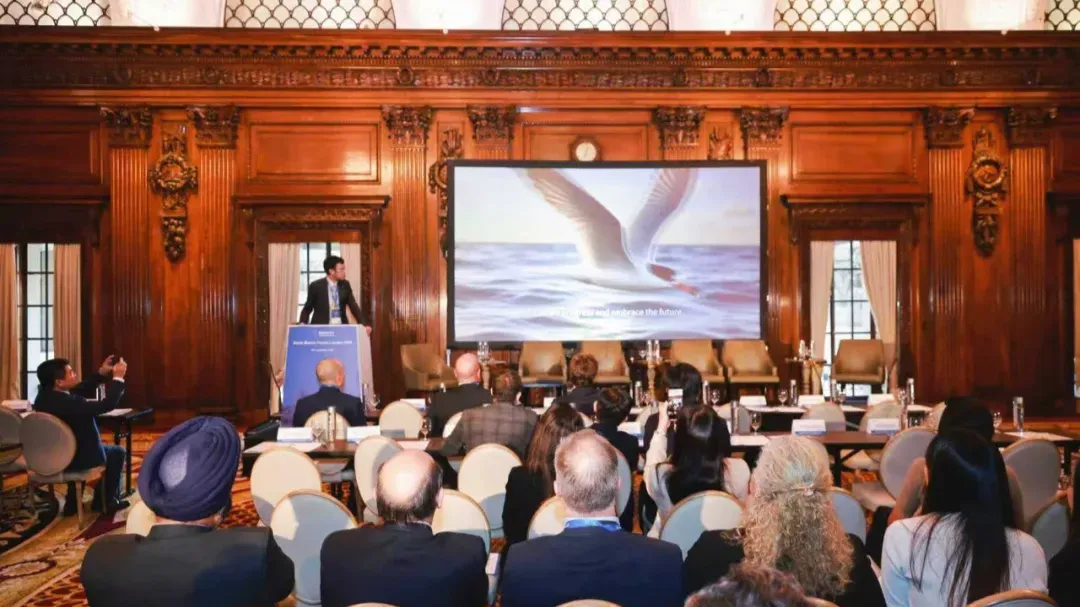
WMMF 2026 Promotional Film Debuts in London
 Sustainability
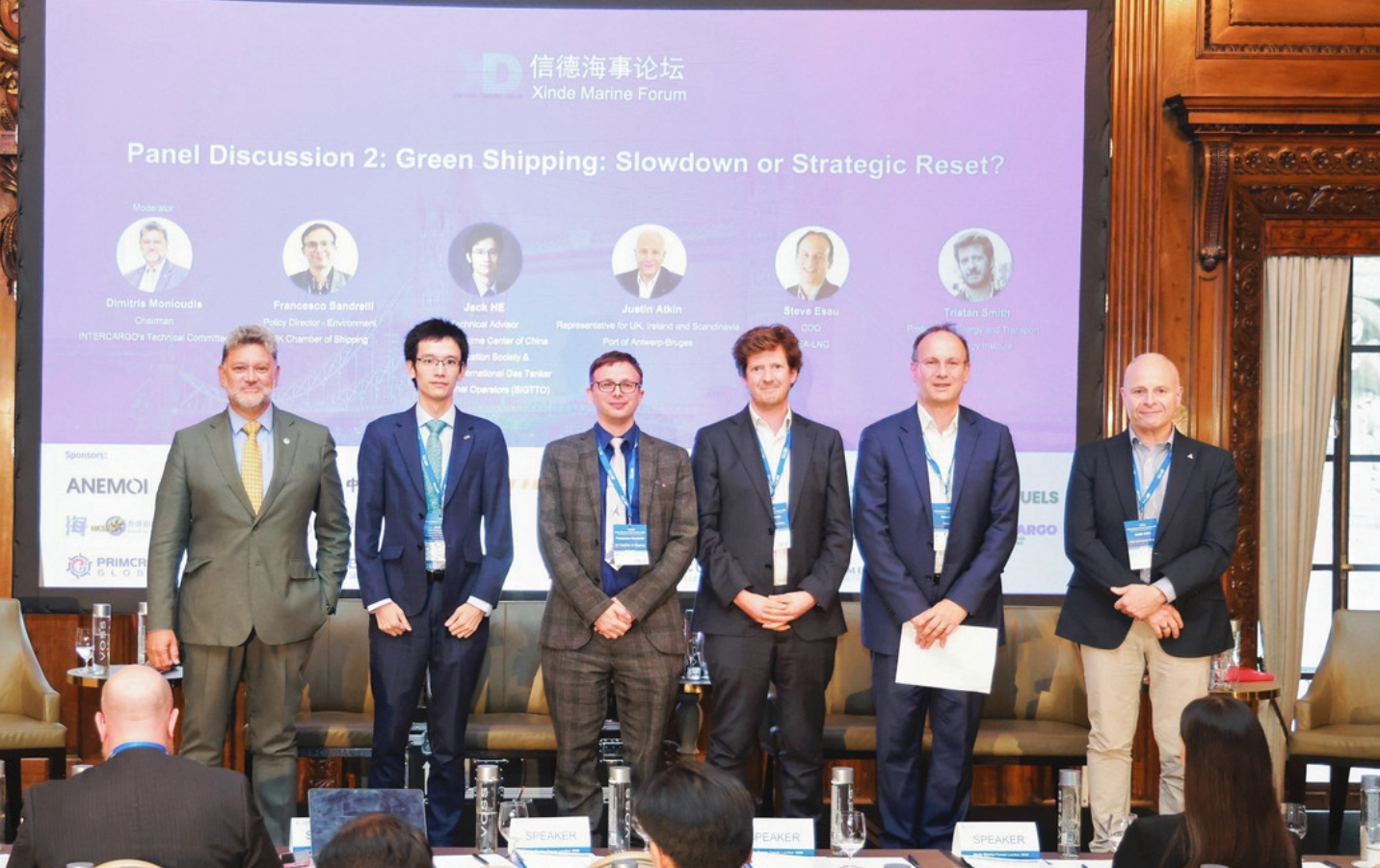
Xinde Marine Forum London 2026: Green Shipping Enters a Strategic Reset
 Sustainability
Shipping Has a Net-Zero Target — but Still Lacks the Rules to Deliver It
 Sustainability
Chimbusco completes first ammonia bunkering operation
 Sustainability
324 days ahead of schedule — another milestone for China’s shipbuilding industry
 Sustainability