


AI Is Moving Into Shipping’s Core Business. What Will Set Companies Apart?


At Splash Singapore 2026 on 24 September, artificial intelligence surfaced across discussions on corporate resilience, technology investment, workforce development, chartering and dry bulk demand. Its relevance varied from one panel to another: faster decisions, measurable returns, the training of future professionals, and the cargo flows that AI infrastructure could generate.
Taken together, these conversations suggested that shipping’s questions about AI are becoming more demanding. The industry is increasingly asking how companies can turn technical capability into reliable business performance.
Buying a tool is only the beginning. Trusted data, connected workflows, accumulated experience, the ability to challenge a system and clear accountability all influence what happens next. As AI moves further into shipping’s core activities, it puts these foundations under greater scrutiny.
From excitement to measurable value
At the SplashTech Digital Leaders Forum, moderator Su Yin Anand asked panellists which maritime buzzwords were most overhyped. AI featured prominently, alongside innovation and platforms.
Ben Palmer OBE , President of Viasat Commercial, described AI as a major opportunity that was also being heavily overhyped in maritime. Morten Lind-Olsen , CEO of Dualog , stressed the importance of combining AI with common sense, customer understanding and domain knowledge.
That distinction matters in shipping. Producing a convincing report does not establish that a system understands the commercial circumstances surrounding a vessel, a cargo or a transport commitment. The distance between a plausible answer and a decision a company can confidently act on remains significant.
Ingrid Kylstad , Managing Director of Torvald Klaveness Digital, offered a practical example from CargoValue. Many customer problems began with teams that were disconnected internally. A decision on one side of an organisation could create consequences elsewhere that colleagues could not see early enough to manage.
Connecting decisions, information and workflows therefore comes before many of the more ambitious promises of digitalisation. For an operator, useful measures of progress include fewer repeated entries, earlier identification of exceptions, faster information flows and fewer avoidable mistakes. Another dashboard creates little value if it adds work without improving the decisions behind it.
The starting question is straightforward: which business problem needs solving?
Similar tools do not guarantee similar results
The Chartering Spotlight panel took the discussion into commercial competition. If more companies can access similar information and analytical tools, what allows one business to outperform another?
Torbjorn Gjervik , CEO of Western Bulk , emphasised the limitations of relying solely on data available through common market systems. Proprietary information and established customer relationships remain important sources of differentiation.
Jesper Klarup of Fednav Limited also discussed the convergence that can follow wider use of similar platforms and calculations. Yet every fixture still leads to a transport commitment. A customer’s confidence in a company’s ability to perform the voyage can influence the choice of counterparty.
For Michelle Gonzalez of Vale, turning data into action depends on quality, integration and experience. AI can consolidate information, support modelling and present options. People still need to interpret the circumstances, weigh competing considerations and take responsibility.
These arguments suggest two developments could occur together. Widely available tools can lower the cost of analysis for smaller businesses. Companies with strong internal data, effective processes and established commercial networks can also use those tools to extend their advantages.
Access to technology may become more equal while business outcomes remain very different.
The commercial challenge is to make a company’s own experience usable: why particular voyages made or lost money, how customers make decisions, which exceptions recur, and which apparently sound plans failed during execution. Experience confined to individual memories has limited value across a wider organisation.
Building a company brain
Stephen Fletcher of AXSMarine raised the prospect of a “company brain”, connecting knowledge generated across desks, offices and daily exchanges. He identified the next five years as a period of potential development.
The idea has particular relevance to shipping, where information is distributed across emails, contracts, conversations and people’s experience. A growing volume of records does not automatically produce a more knowledgeable organisation. Different offices may repeatedly solve the same problem, while valuable lessons disappear when employees leave.
A useful company brain would require managed knowledge. Feeding every document into a system does not resolve conflicting records, outdated information or differences in commercial context. An arrangement that worked under exceptional circumstances could become misleading if presented as a general rule.
Companies consequently need to understand where information comes from, whether it remains valid and when it applies. Ownership, access, review and updating become part of the operating model.
More transparency also leaves some commercial questions unresolved. @Willem Vermaat of Heidelberg Materials Trading noted that weaker vessel performance can lead to exclusion, while securing sufficient freight premiums for better environmental performance remains difficult.
Data can influence vessel selection. It cannot, by itself, determine who pays for an improvement. Owners still need commercial arrangements that translate demonstrable advantages into customer demand and revenue.
Human oversight requires the ability to challenge
In the workforce discussion, Cynthia Worley of Sedna invited the audience to close their eyes and recall advice received early in their careers. It brought the conversation back to how people learn, work and develop judgement.
The meaning of human-in-the-loop deserves close attention. If an employee simply approves a system’s recommendation, the presence of a person may offer little meaningful oversight. Effective review requires access to the underlying reasoning and information, enough time to assess it, and authority to change the outcome.
In his subsequent reflection on the event, Menand Karsan of Rio Tinto stressed that AI should reduce noise and administration, support safer decisions and preserve clear accountability. People must be able to understand, question and, when necessary, override its output.
Klarup made a related point in the chartering discussion: digital tools cannot become an excuse for a decision. A model can help explain how a recommendation was formed, but the company remains responsible for its commitments and their consequences.
In the opening panel, Weng Yew Hor of Pacific Carriers Limited similarly observed that additional variables, scenarios and computing power ultimately still lead to a need for commercial judgement. Analysis helps companies assess choices; it cannot remove every uncertainty.
AI maturity therefore includes knowing the limits of automation. Which tasks can proceed automatically? Which exceptions require escalation? When should experienced people intervene? Those boundaries need to evolve alongside evidence of system reliability.
If AI takes the entry-level tasks, how will expertise develop?
One of the most consequential workforce questions concerns the route from junior employee to experienced professional.
Voyage calculations, contract checks, information gathering and comparisons have traditionally helped newcomers understand the business. These tasks can be repetitive, but they also reveal how costs arise, how wording affects obligations and how operational reality differs from a plan.
As more of this work becomes automated, companies will need to redesign the learning that used to accompany it.
In a pre-event interview, Janani Yagnamurthy, FICS of Marcura proposed using AI to preserve institutional knowledge and make it available to less experienced colleagues. A new employee could draw on years of organisational experience when approaching an unfamiliar task.
That opportunity still requires deliberate training. Finding an answer quickly does not mean understanding the assumptions that make it valid. Employees need opportunities to explain their reasoning, compare alternatives, follow actual outcomes and take on responsibility under supervision.
At the opening panel, Shmulick Yoskovitz , CEO of X-Press Feeders , highlighted curiosity, people skills and a willingness to work internationally. He also stressed the growing importance of understanding data and the drivers of profit and loss. Employees do not all need to become statisticians, but they do need to understand what the numbers mean.
Jeremy Sutton , CEO of Swire Shipping , described a need for senior leaders who combine commercial, customer and financial understanding with stronger technology capabilities.
Bjørn Højgaard , CEO of Anglo-Eastern , emphasised intelligence, integrity and drive, including the ability to learn, reconsider assumptions, exercise judgement and turn thinking into results.
Across these perspectives, future maritime professionals need both stronger tools and a solid understanding of the business in which those tools operate.
Adoption depends on organisations, capital and infrastructure
The digitalisation discussion repeatedly returned to what happens after a company decides to buy or build technology.
Nakul Malhotra of Wilhelmsen group described how established organisational structures can resist approaches that do not fit existing workflows. Successful adoption requires internal support as well as a functioning product.
He also encouraged midsized owners and operators to match their approach to their resources. Businesses with substantial research capacity can absorb early experimentation. Many others are better placed to adopt credible solutions with demonstrated performance.
For companies developing their own digital products, the implications extend to culture and evaluation. Software development requires a different approach from applying the same short-term profitability expectations used in core shipping activities.
Investors face a similar adjustment. Discussing lessons from Nautilus Labs, @Marina Hadjipateras of TMV highlighted the mismatch that can arise between expectations of rapid expansion and shipping’s reliance on trust and long customer relationships. Kylstad described CargoValue sales cycles that had lasted 18 months.
For an adopting shipowner, the purchase price is consequently only part of the commitment. Data preparation, integration, training, workflow changes and ongoing maintenance all require resources. A successful demonstration does not settle the question of lasting returns.
Reliable connectivity is another prerequisite. Palmer stressed the importance of consistent, secure and globally available communications as critical infrastructure supporting digital applications.
The resilience discussion showed how established shipping companies are addressing related dependencies. Hojgaard described adding a Singapore server location alongside Anglo-Eastern’s two existing Hong Kong locations. Sutton noted that cyber-security expenditure had become easier to justify internally.
These are investments in digital continuity that also matter as AI assumes a larger operational role. Greater efficiency needs to be supported by the ability to keep operating when systems or connections fail.
AI also has a physical cargo dimension
In the final dry bulk discussion, Jan Rindbo , CEO of DS NORDEN , connected AI and the green transition with demand for commodities including copper concentrates, nickel and manganese, highlighting their relevance to smaller vessel segments.
This broadens the industry’s perspective. Shipping companies can use AI to improve their operations while also transporting materials and equipment required by the infrastructure supporting it.
The commercial implications still need to be traced carefully. More AI investment does not translate automatically into higher freight rates for a particular vessel class. Project timing, sourcing, distance, cargo characteristics and fleet supply all influence the outcome.
Operators will need to identify the specific cargoes, routes and customers behind the broader investment story.
Across Splash Singapore’s discussions, a practical challenge emerged: turning expectations about AI into operating arrangements that work consistently. Tools can be purchased. Data, trust, effective processes and professional judgement develop over time.
Shipping’s next competitive differences may increasingly show up in everyday execution: who identifies a significant change earlier, reaches a sound decision faster, fulfils a commitment more reliably and learns more effectively from the outcome.
AI will contribute to those processes. Companies will still have to deliver the results.

READ MORE
 Technology
Shiptec China 2026.10.28-10.30 | German Pavilion | Mayr Safety Brakes: Robust, Powerful and Seawater-Corrosion Resistant – Safe and Durable Product Solutions for Harsh Environments
 Technology
Shiptec China 2026.10.28-10.30 | TECHNOBIO with POWER-Z: Improving Power and Thermal Efficiency through Fuel Additives
 Technology
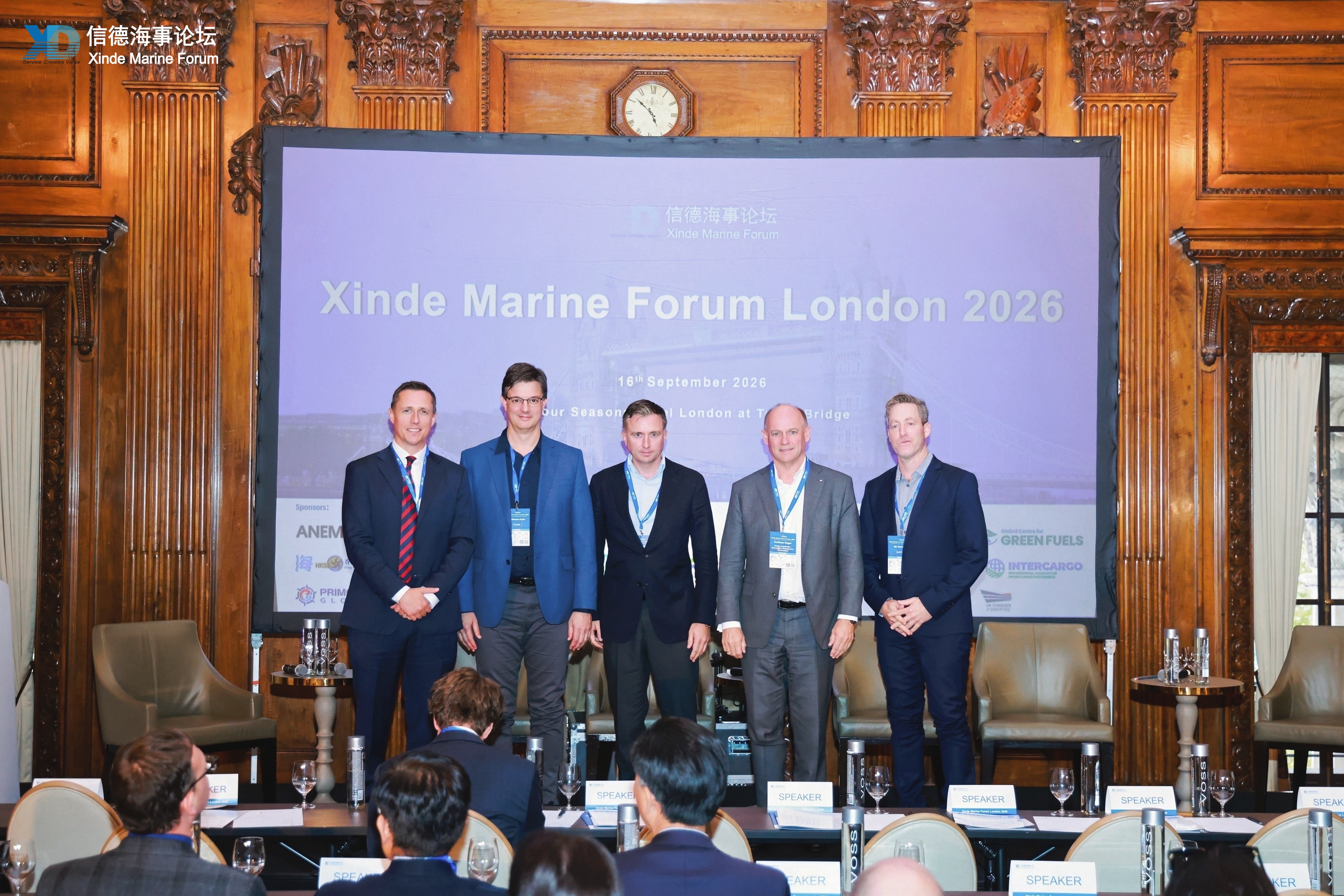
Xinde Marine Forum London 2026: Is Shipping Ready to Trust AI?
 Technology
Shiptec China 2026.10.28-10.30 | German Pavilion | High-Precision Threading Tools & Clamping Systems: NORIS Debuts at Dalian Maritime Exhibition
 Technology
From Cargo Movement to Market Access: Why China–GCC Project Logistics is Entering a New Phase
 Technology
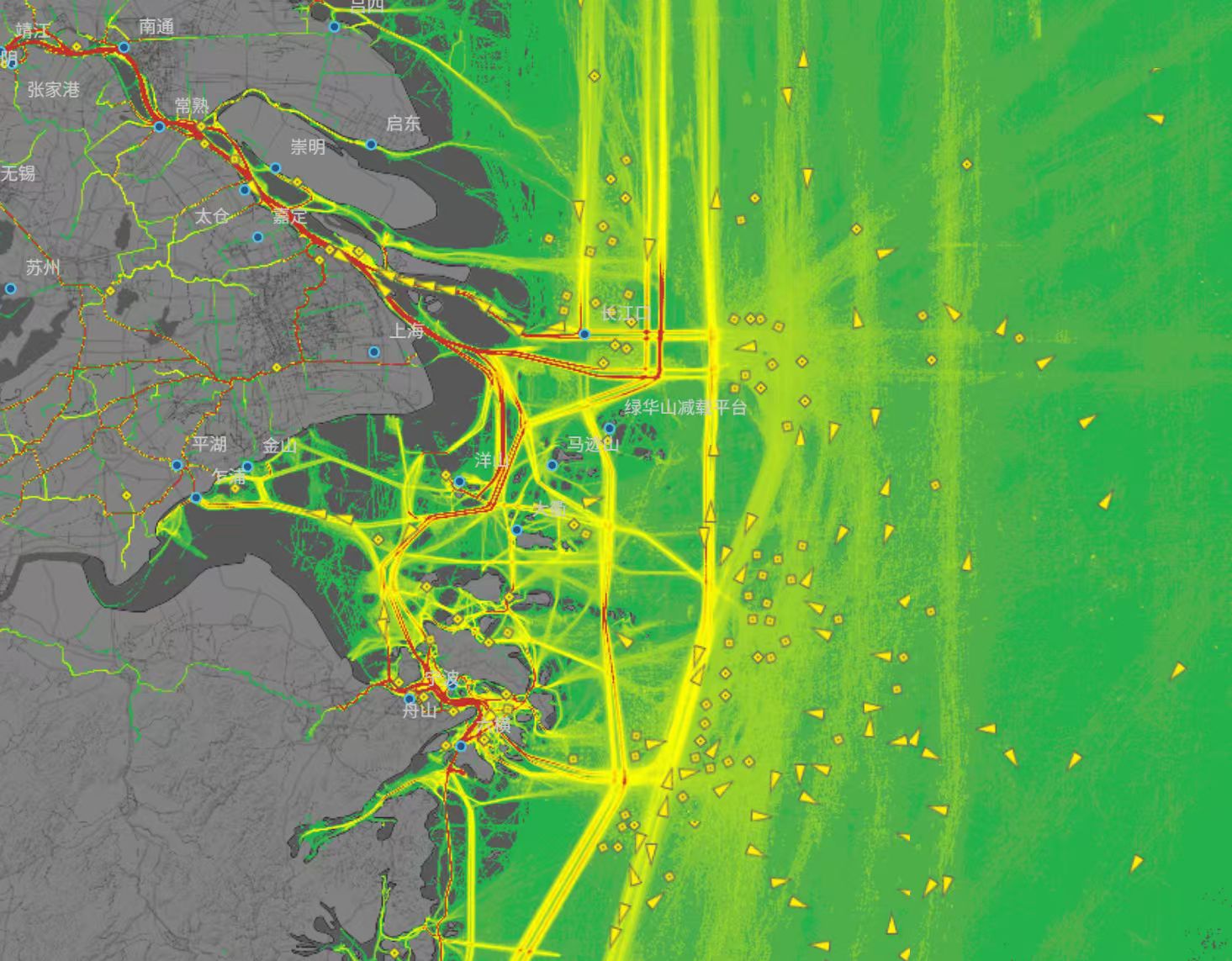
HiFleet Schedule Watch Shanghai Call Omissions Dominate as Ningbo Sees Both Retained and Omitted Calls
 Technology
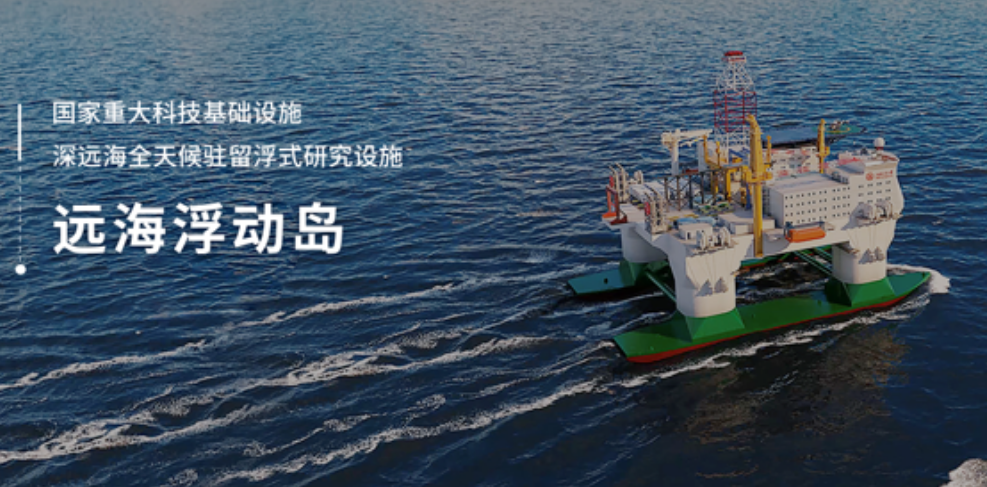
Waigaoqiao Shipbuilding wins RMB 2.76bn contract for China’s deep-ocean research platform
 Technology
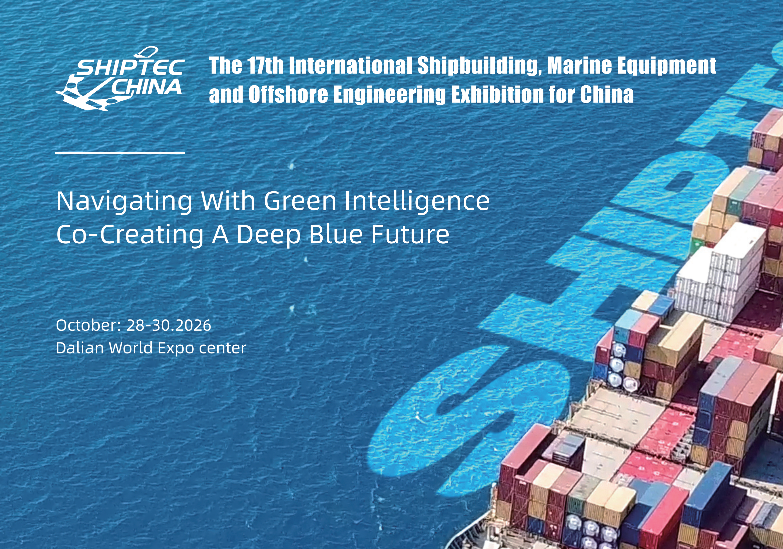
Shiptec China 2026.10.28-10.30 | WE Tech Solutions- Energy Solutions Leading Marine Electrification
 Technology
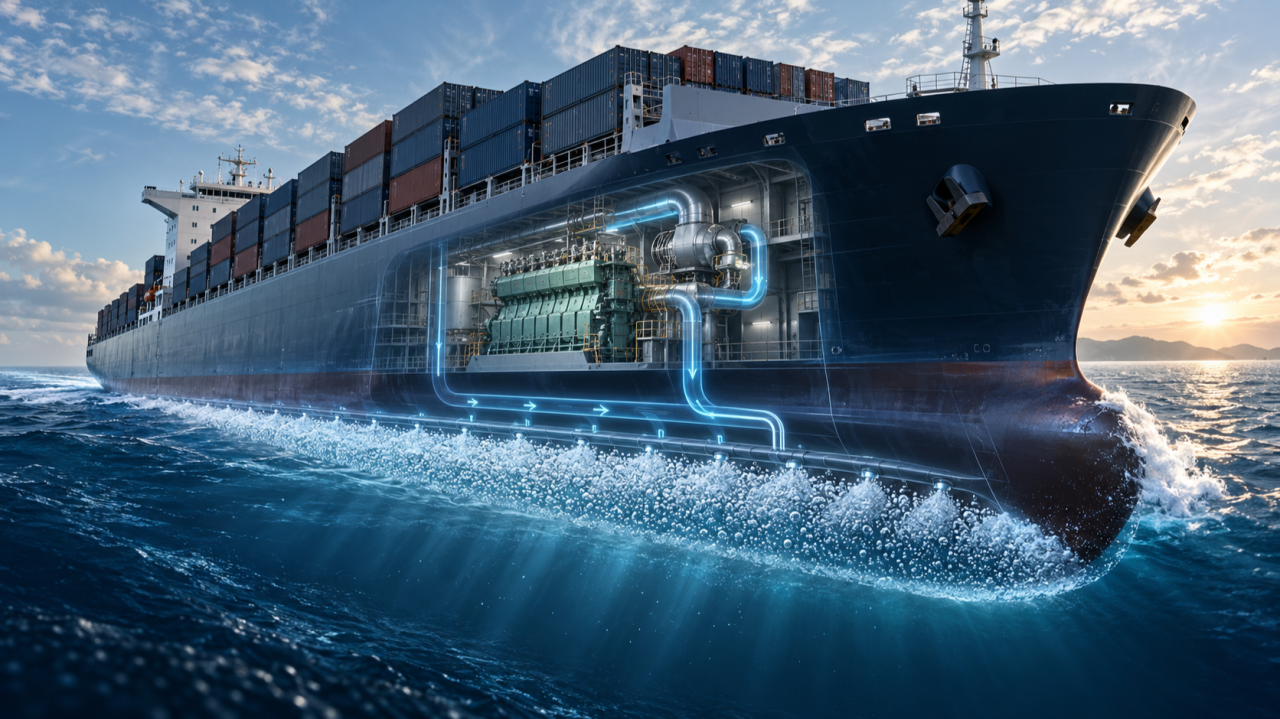
Up to 6% Net Efficiency Gain: Everllence and Silverstream Integrate Air Lubrication with the Main Engine
 Technology