


Gemini Expands Red Sea Comeback: More Maersk-Hapag Lloyd Services Return to Suez
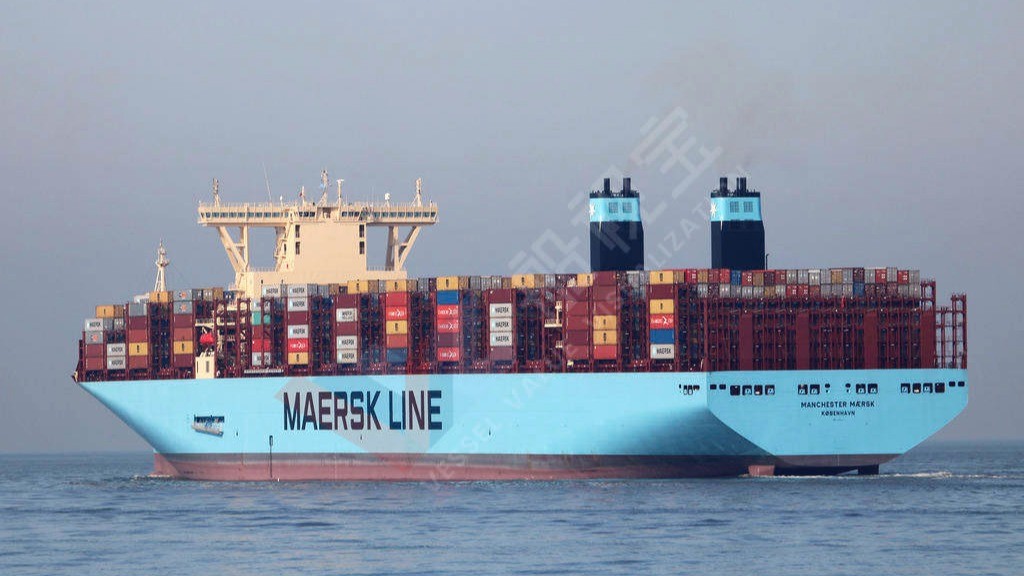

AE15 and AE19 have officially returned to the Red Sea–Suez Canal route, while Maersk’s independent MECL and WAF6 services have also resumed Suez transits. Meanwhile, the 20,568 TEU Manchester Maersk is scheduled to pass through the Suez Canal on the AE2/NE1 Asia–North Europe service, signaling that Gemini’s Red Sea comeback could be moving into its next phase.
The return of major container shipping services to the Red Sea is gaining momentum.
Maersk and Hapag-Lloyd’s Gemini Cooperation have continued to expand their use of the Red Sea and Suez Canal after more than two years of widespread diversions around the Cape of Good Hope.
Following the earlier restoration of the AE15 Asia–Mediterranean service, Gemini has now announced that AE19 will also return to the traditional Suez route.
At the same time, Maersk has separately restored its own MECL and WAF6 services via the Red Sea.
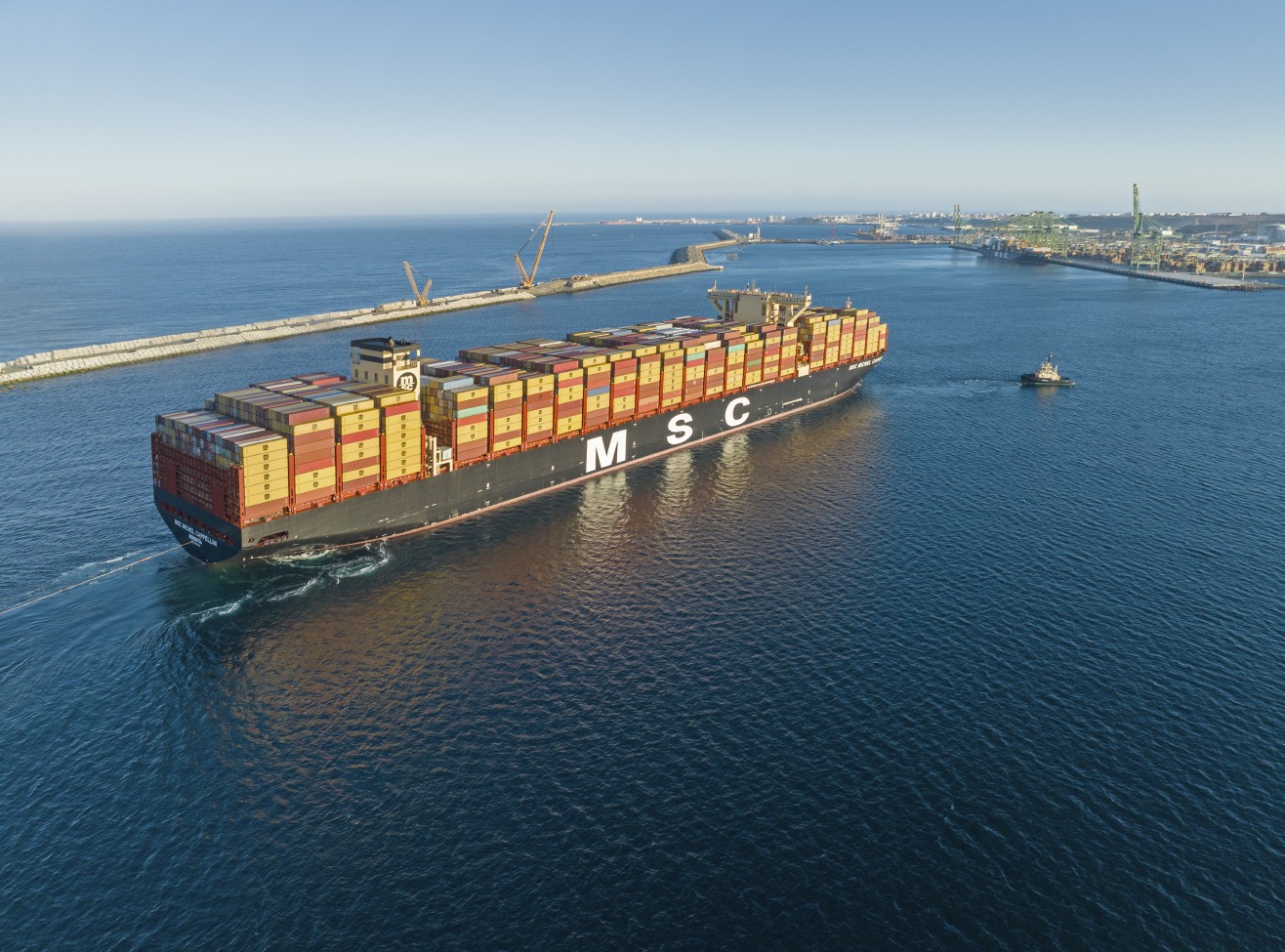
The latest development attracting market attention, however, is the movement of the 20,568 TEU Manchester Maersk on the AE2/NE1 Asia–North Europe service, with vessel schedules indicating a planned westbound transit through the Suez Canal.
Although Gemini has not yet officially announced a structural return of AE2/NE1 to Suez, the move is being closely watched by the container shipping market because the service connects Asia with some of Europe’s most important northern gateways.
AE19 Returns to Suez as Gemini Gradually Rebuilds Red Sea Network
On 10 August, Maersk and Hapag-Lloyd announced that Gemini’s AE19 service would be structurally adjusted back to the Red Sea and Suez Canal route.

The first vessel operating under the revised structure will be Berlin Maersk, with the new routing connecting major Asian ports, Saudi Arabia, the Mediterranean and Europe.

The revised AE19 rotation includes ports such as:
- Xingang
- Qingdao
- Busan
- Ningbo
- Shanghai
- Tanjung Pelepas
- Jeddah
- Port Said
- Tangier
The return of AE19 follows the earlier restoration of AE15, which was announced in July.
AE15 was the first Gemini Asia–Mediterranean service to return to the Suez route after the alliance initially shifted services around the Cape of Good Hope due to security concerns in the Red Sea.
The gradual restoration of AE15 and AE19 demonstrates a cautious but clear strategy from Gemini: returning to Suez service-by-service rather than making a full network-wide switch immediately.
Maersk Also Restores Independent MECL and WAF6 Services
Beyond Gemini-operated services, Maersk has also resumed Suez Canal operations on several independently operated routes.
In July, Maersk announced that its MECL service would return to the Red Sea and Suez Canal.
MECL connects India, the Middle East and the US East Coast. According to Maersk, the route change is expected to reduce sailing times significantly, with westbound voyages shortened by around seven days and eastbound voyages by approximately fourteen days.
Importantly, MECL is not part of Gemini Cooperation, but rather a Maersk-operated service.
Shortly afterwards, Maersk also announced the restoration of its WAF6 service through the Red Sea and Suez Canal, reconnecting the Middle East, Mediterranean and West Africa markets.
Together, these adjustments show that Maersk is steadily rebuilding its traditional Suez-based network while maintaining a cautious approach toward regional security risks.
20,568 TEU Manchester Maersk Signals Possible Next Step
The most closely watched development is currently coming from the AE2/NE1 Asia–North Europe service.
According to vessel schedule data, the 20,568 TEU Manchester Maersk is sailing on the AE2/NE1 629W westbound voyage and is scheduled to transit the Suez Canal.

Unlike AE15 and AE19, which mainly serve Asia–Mediterranean trade flows, AE2/NE1 is one of Gemini’s key Asia–North Europe services.
The route serves major European gateways including:
- Rotterdam
- Bremerhaven
- Wilhelmshaven
If more AE2/NE1 vessels follow the same routing, it could represent a much larger shift — bringing one of the most important Asia–Europe mainline services back to Suez.
However, as of now, Maersk and Hapag-Lloyd have not officially confirmed a permanent structural change for AE2/NE1.
Therefore, the market is watching closely whether this is an individual voyage decision or the beginning of another major network adjustment.
Red Sea Risks Remain a Key Constraint
Despite the growing number of services returning to Suez, security concerns in the Red Sea have not disappeared.
The southern Red Sea and Bab el-Mandeb remain areas requiring heightened attention, with maritime security assessments continuing to highlight risks from regional tensions.
This explains why Gemini is taking a gradual approach rather than immediately restoring its entire East–West network.
For carriers, the economic advantages of Suez remain significant.
A return to the traditional route can:
- Reduce sailing distances;
- Lower fuel consumption;
- Improve vessel utilization;
- Release capacity previously absorbed by Cape of Good Hope diversions.
However, these benefits must be balanced against security risks, insurance costs, and operational reliability.
Suez Comeback Moves from Experiment to Expansion
The latest developments suggest that the container shipping industry’s return to the Red Sea is entering a new phase.
Earlier attempts were limited to individual voyages or selected services. Now, multiple major liner routes are gradually returning to the Suez Canal.
AE15, AE19, MECL and WAF6 have already resumed, while AE2/NE1 is emerging as the next potential milestone.
If Gemini eventually confirms a full return of AE2/NE1, the impact could be significant for global container shipping.
A large amount of capacity currently tied up by longer Cape diversions could be released back into the market, potentially affecting:
- Vessel supply-demand balance;
- Schedule reliability;
- Port call patterns;
- Asia–Europe freight rates.
For now, the message from Gemini is clear:
The Red Sea comeback is happening — but one service at a time.
And the next major signal may come from the world’s largest container ships returning to the Asia–North Europe route via the Suez Canal.

READ MORE
 Containers
From Shanghai to London: A Chinese Shipping Derivative Is Going Global
 Containers
Veteran German Owner Returns to Boxship Newbuildings as Offen Moves on 2+2 7,000-TEU Ships at GSI
 Containers
Maersk’s Decade-Long Transformation: Has Its End-to-End Logistics Strategy Worked?
 Containers
14m TEU Orderbook Puts Container Shipping on Course for a 2027 Capacity Test
 Containers
Ningbo Containerized Freight Index Weekly Commentary Freight Rate Trends Continued to Diverge; Composite Index Remained Stable
 Containers
Maersk overtakes COSCO to become Asia’s largest intra-Asia liner
 Containers
COSCO SHIPPING Heavy Industry launches A-share IPO push
 Containers
Wan Hai firms up $744m order for six 11,000 teu boxships at SWS
 Containers
Wan Hai Orders Six 11,000 TEU Containerships in New Fleet Expansion Move
 Containers