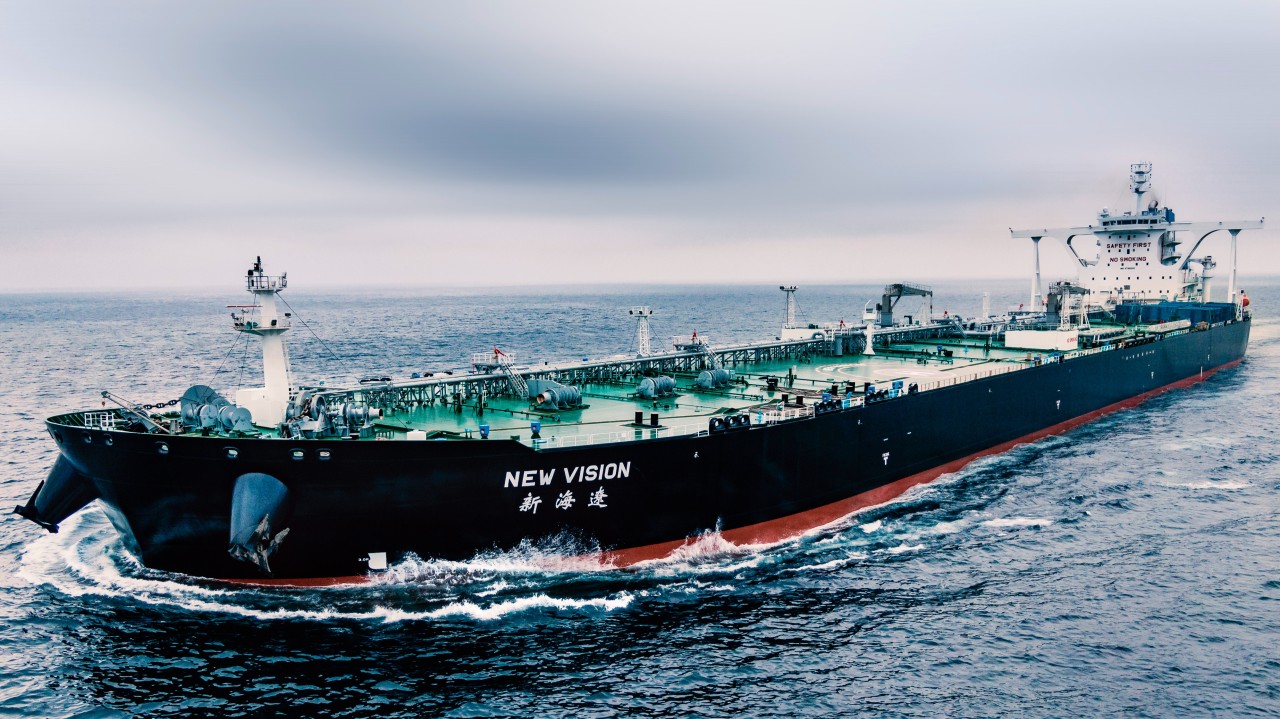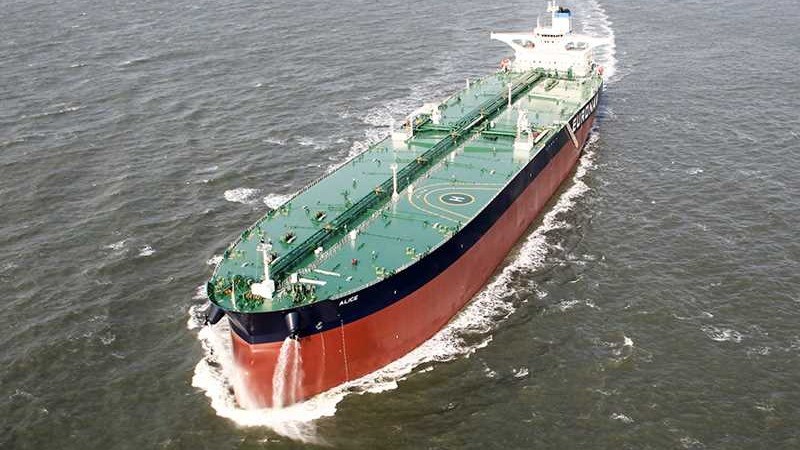


16 Ships, RMB 778m in Profit: How Shanghai Beihai Shipping Broke Into China’s Top 20
The tanker operator has built a compact but highly specialised fleet around offshore oil production, crude transport and long-term energy projects

With just 16 vessels and a combined capacity of about 1.24m dwt, Shanghai Beihai Shipping is far from being one of China's largest shipping companies by fleet size.
Its financial performance tells a different story.
The company generated approximately RMB 778m ($108m) in net profit attributable to shareholders in 2025, placing it 20th in a ranking of China's leading shipping companies.
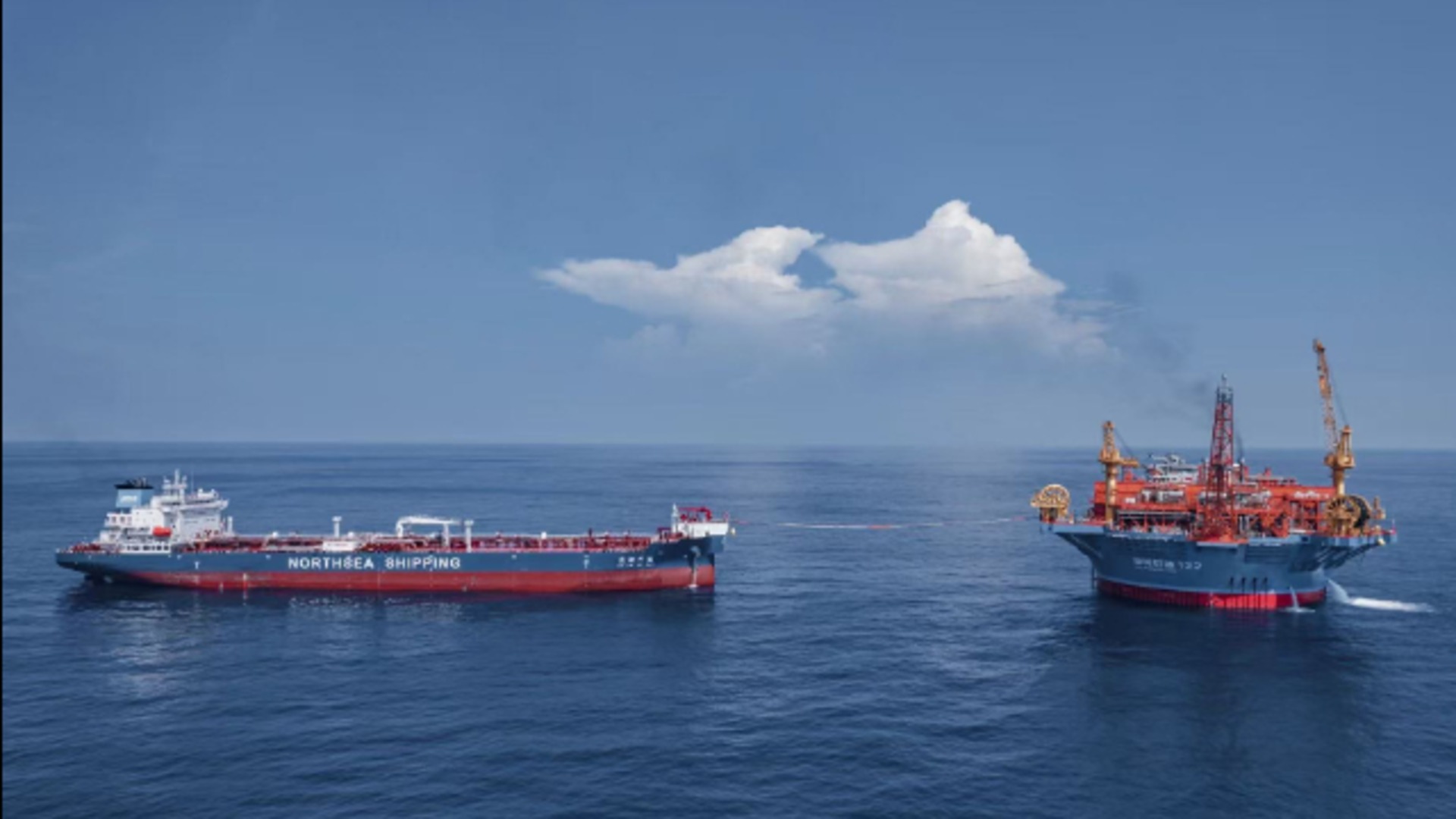
Shanghai Beihai Shipping operates six shuttle tankers, six conventional crude tankers, three product tankers and one floating storage and offloading unit. Together, these vessels cover offshore crude lifting, coastal oil transportation, refined product distribution and offshore storage and export operations.
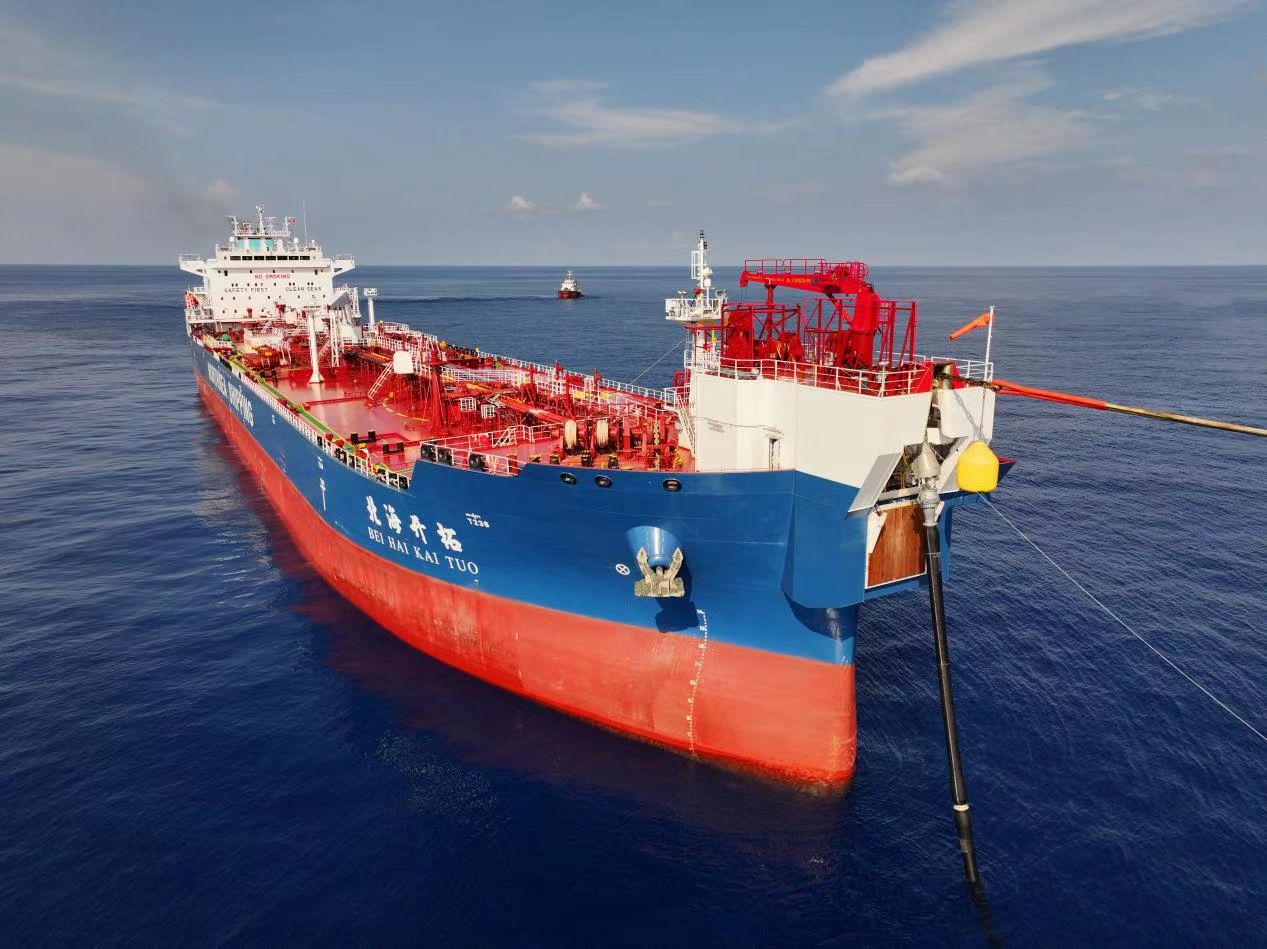
The fleet is relatively small, but each vessel is closely tied to a specific part of the energy logistics chain.
A specialist tanker platform
Shanghai Beihai Shipping was established in March 1994 with registered capital of RMB 763.75m.
The company specialises in domestic and international crude and refined product transportation, ship leasing and related maritime services. Its ownership structure brings together major state-owned shipping and energy interests, giving it access to cargo, operating expertise and long-term energy projects.
This combination has allowed the company to develop a business model centred on specialist tonnage rather than fleet scale.
A 16-vessel fleet spanning four tanker segments
According to Clarksons data, Shanghai Beihai Shipping operates 16 vessels with a combined capacity of approximately 1.241m dwt.
The fleet comprises six shuttle tankers, six conventional crude tankers, three product tankers and one FSO.
Shuttle tankers are the company's most distinctive segment. Its fleet ranges from smaller offshore units serving Chinese oilfields to Suezmax-sized vessels of around 150,000 dwt deployed on overseas deepwater projects.
These vessels transport crude from floating production, storage and offloading units and other offshore installations to onshore terminals. They are typically equipped with dynamic positioning systems, bow-loading equipment and emergency disconnection systems, allowing them to receive crude directly from offshore facilities in demanding sea conditions.
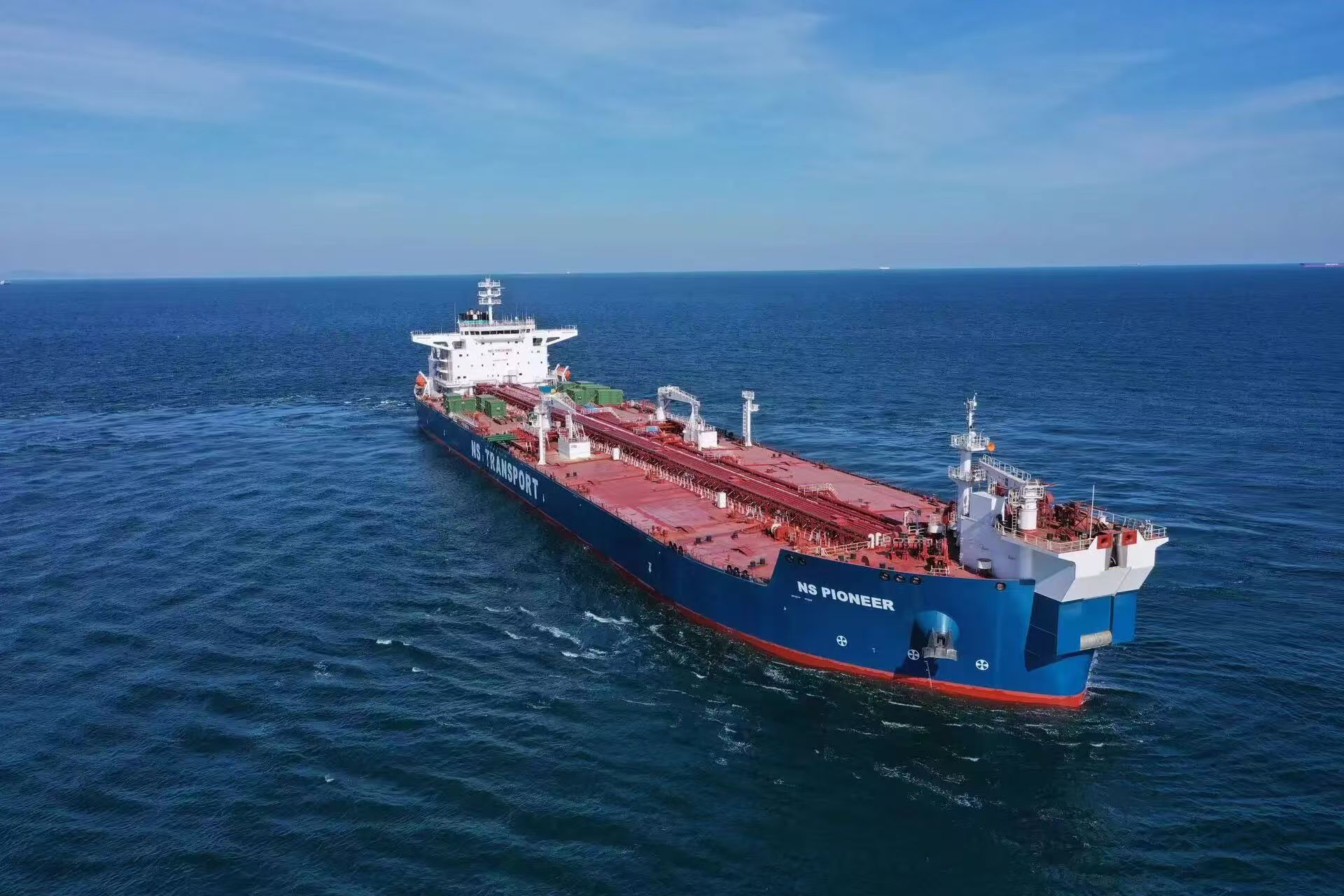
Shanghai Beihai Shipping's fleet also has a clearly divided age profile.
Seven vessels built between 2004 and 2013 account for approximately 590,400 dwt, or 47.6% of the company's total capacity. This group largely consists of conventional crude tankers, product tankers and the FSO.
The remaining nine vessels, delivered between 2017 and 2024, represent about 651,000 dwt, or 52.4% of total capacity. Most of the recent investment has been directed towards shuttle tankers and newer medium-sized crude carriers.
The addition of two 150,000-dwt DP shuttle tankers has significantly expanded the company's ability to serve deepwater oil projects overseas.
Six vessels were built between 2004 and 2011, however, and their future operation will increasingly be affected by tightening energy-efficiency requirements, carbon-intensity rules and maintenance costs.
Some may require efficiency upgrades, conversion or replacement. The outlook for the FSO will depend more heavily on the life of its oilfield project, the remaining contract term, hull condition and the economics of further investment.
Long-term contracts reduce market exposure
Shanghai Beihai Shipping's earnings model differs from that of tanker owners with heavy exposure to the spot market.
Its shuttle tanker business is largely project-driven. Two of its 150,000-dwt shuttle tankers, for example, secured 15-year charter contracts before construction began.
Their hull design, dynamic positioning capability, loading systems and technical specifications were developed around the operational requirements of deepwater oilfields in Brazil. The vessels entered predetermined projects immediately after delivery, limiting the employment risk normally associated with new tonnage.
This "contract first, vessel second" approach is common in the international shuttle tanker sector.
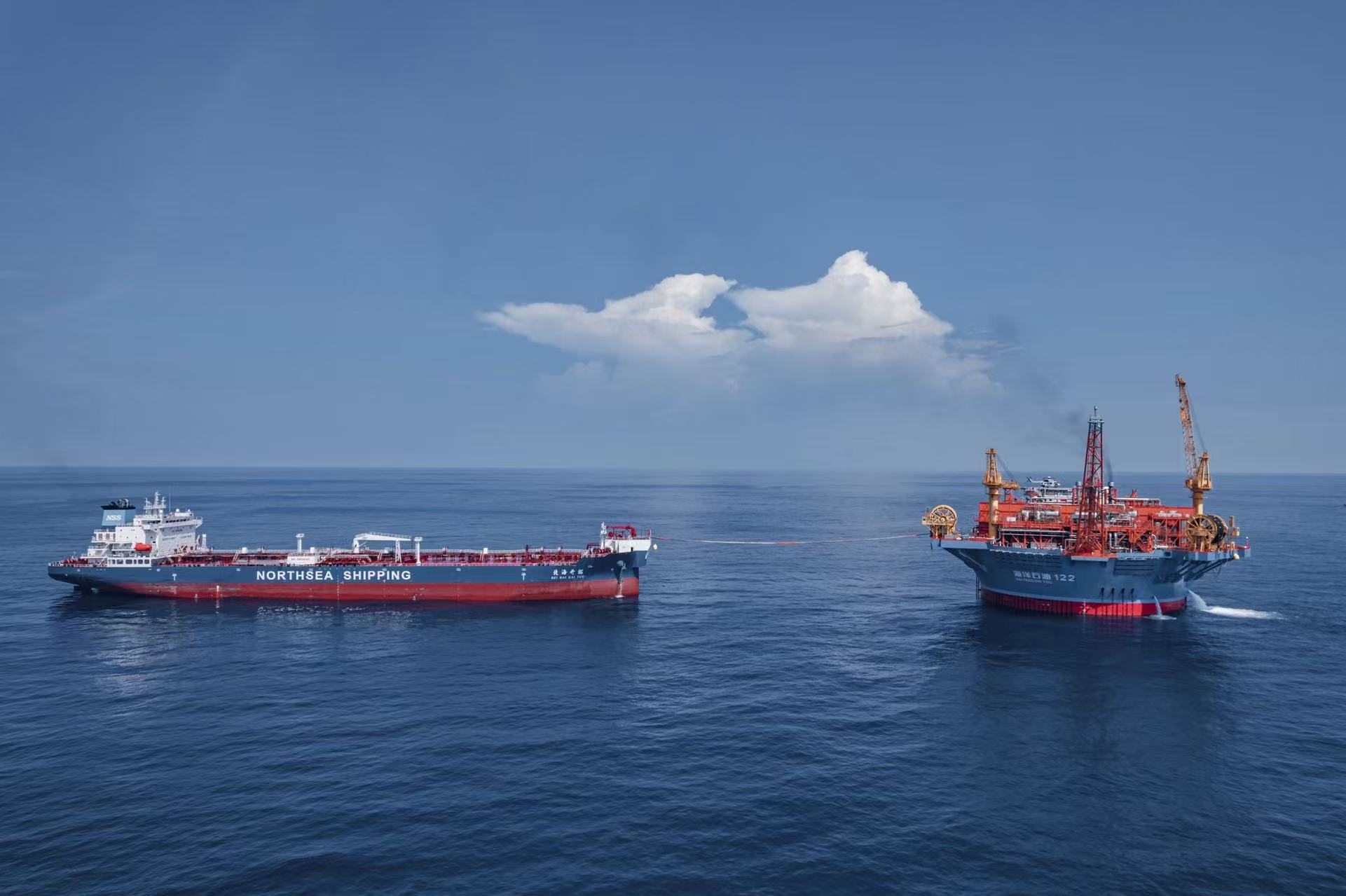
Major markets including Brazil, the North Sea and Canada generally rely on long-term charters or oilfield service contracts. Shuttle tankers require substantial capital investment and complex technical systems, while individual oilfields may impose different requirements for loading interfaces, DP capability and safety performance.
These barriers create a more specialised market with fewer qualified operators and longer customer relationships.
Its value beyond fleet size
Shanghai Beihai Shipping's growth prospects remain closely linked to offshore oil development and transportation of equity crude.
Its role extends from offshore lifting and conventional tanker transportation to coastal distribution and floating storage. This provides the company with exposure to several parts of the crude and refined product logistics chain while reducing its dependence on a single tanker market.
Renewed security risks in the Middle East have again demonstrated the importance of reliable and deployable shipping capacity. Disruptions around the Strait of Hormuz, tanker attacks, higher war-risk premiums and route changes all affect the ability of importing countries to secure energy supplies.
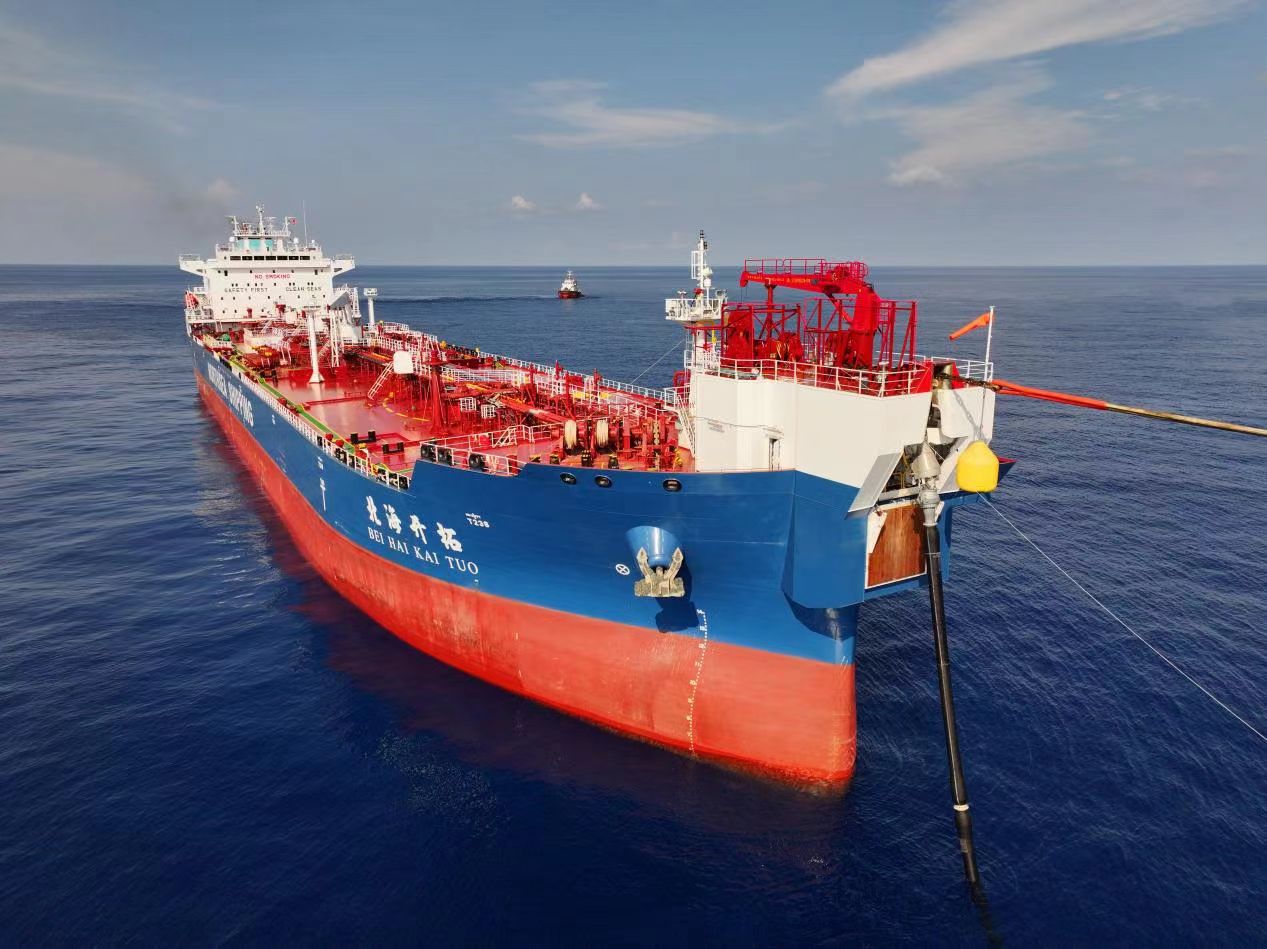
Shanghai Beihai Shipping's next stage of development will depend on how effectively it combines cargo access, shareholder resources, operating expertise and specialist vessel technology.
Its most valuable position may remain in specialised energy transportation: connecting offshore projects with a controlled fleet of crude tankers, product tankers, shuttle tankers and offshore storage assets.
As global oil trade routes shift, maritime security risks rise and environmental regulations tighten, operators with modern, compliant and project-backed tanker capacity are likely to assume greater strategic importance.


READ MORE
 Tankers
Emarat Maritime Adds Six LR1s as China Newbuilding Programme Reaches 22 Ships
 Tankers
China Merchants Energy Shipping Establishes European Marketing Hub in London to Expand Global Reach
 Tankers
Guohang expands Hong Kong platform for tanker and heavy-lift push
 Tankers
Kinetai Holdings Opens Singapore Base with Fleet Expansion and Tanker Plans
 Tankers
A 15-Year-Old VLCC Sells for $161 Million as Tanker Asset Prices Surge
 Tankers