


Companies continue training, crews continue signing papers, and enclosed space accidents continue to happen.
The enclosed space entry point is one of the shipping industry’s most familiar and most stubborn fatal risks. At least 1,010 deaths in enclosed spaces from 2000 to 2024, including 700 seafarers and 310 shore‑based personnel.

Materials released by Gard and InterManager in 2025 show that, as of January 2025, approximately 350 seafarers and third‑party shore workers worldwide have died in enclosed space asphyxiation accidents since 1996; since 2022 alone, 43 incidents have caused 70 deaths.
The IBTA’s statistical scope submitted to the IMO is broader: it compiles at least 1,010 deaths in enclosed spaces from 2000 to 2024, including 700 seafarers and 310 shore‑based personnel.
These figures reveal a harsh truth: enclosed space accidents do not happen because the industry is unaware of the risks, nor because there are no rules at all. Permits, checklists, drills, training, risk assessments, and gas testing have long been written into shipboard management systems.
The real problem is that too many of the existing defences rely on human beings staying alert, cautious, and thorough in executing procedures every single time. But in the real shipboard environment, people get tired, they cut corners, they are lulled by familiarity, and they instinctively rush to rescue a colleague who has collapsed. If enclosed space safety continues to rely only on “people not making mistakes,” it will repeatedly trap seafarers and shore workers in the same fatal hazard.
Procedures exist – that does not mean risk is controlled
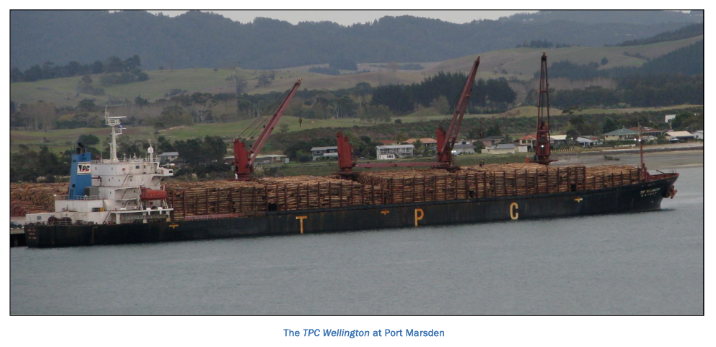
In 2010, the “TPC Wellington” case investigated by New Zealand’s accident investigation agency is a classic example. The vessel was a bulk carrier loaded with logs. The chief officer entered the log‑filled cargo hold and quickly lost consciousness; another crew member attempted rescue, entered the hold and also collapsed. The investigation showed that the oxygen level in the hold was only 1% to 3%; in such an environment, a person can lose effective consciousness within 3 to 9 seconds and die within minutes. The report also noted that the risk of oxygen depletion caused by organic matter had long been recognised in the industry and was reflected in the ship’s documentation, but the high risk was not adequately identified and controlled in the specific operation.
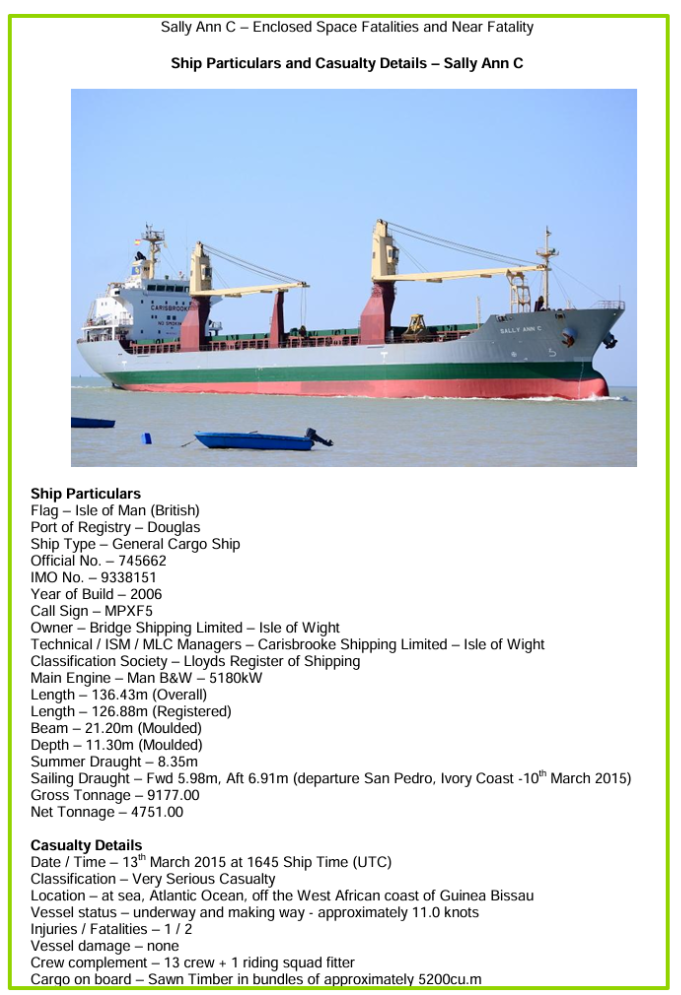
The 2015 “Sally Ann C” accident similarly exposed the gap between procedures and actual behaviour. The vessel had carried timber cargo, and two senior officers died in a space adjacent to the cargo hold access. The investigation report noted that the chief officer entered the cargo hold access space alone, without notifying anyone and without conducting a risk assessment; another senior officer then entered the dangerous space out of rescue impulse. The report specifically emphasised that although the crew had received training and conducted drills, real emergency behaviour is very difficult to predict fully, and the training had not truly penetrated to the level of instinctive reaction.
The 2022 “Berge Mawson” accident once again proved that enclosed space risks threaten not only crew but also stevedores and third‑party shore workers. While the vessel was loading coal at Bunyu Island, Indonesia, three stevedores entered the No. 8 cargo hold access space and collapsed and died. Testing before the accident had already shown the oxygen level in that hold was as low as 5.8%; after the accident, the forward access space of No. 8 hold registered oxygen at only 0.9%, carbon monoxide at 2,147 ppm, and hydrogen sulphide at 3,100 ppm. The UK MAIB investigation concluded that the three stevedores entered a toxic, oxygen‑deficient cargo‑hold access space containing high concentrations of hydrogen sulphide; gas testing according to international guidelines and shipboard procedures was not carried out before entry, and site supervision and safety management failed to effectively prevent entry.
The Hong Kong Marine Department’s recent investigation into a heavy fuel oil tank accident also reminds the industry that gas testing must not be mechanically understood as “test once at the entry point and it is safe.” In that case, the tank was inadequately ventilated, with higher risks in lower parts of the tank; fuel vapour, unknown cleaning chemicals, and poor lighting together created a hazardous working environment. The report noted that any enclosed space lacking continuous ventilation can become a dangerous space, and hazardous gases are often invisible and not easily perceived by personnel.
The common thread in these cases is not that “there were no systems on board,” but that the systems were not strong enough to prevent errors. Someone entered a space they should not have entered; someone thought they would only take a quick look; someone believed that work done previously should be safe; someone immediately rushed to help after seeing a companion collapse. The most dangerous thing about enclosed spaces is that they give no time to correct mistakes. Once an error occurs, the window for reaction is often only a few seconds.
The IMO’s revised circular is important, but it should not become yet another round of paperwork compliance
At MSC 110, the IMO adopted MSC.581(110), introducing new amendments to the recommendations for enclosed space entry. In the document, the IMO explicitly states that one of the background reasons for the revision is precisely the continued loss of life in enclosed spaces; the new recommendations aim to prevent accidents related to oxygen deficiency, oxygen enrichment, flammable or toxic atmospheres. Lloyd’s Register also points out that the new MSC.581(110) supersedes A.1050(27) and provides more specific requirements for the enclosed space register, gas testing, training, emergency response, and more.
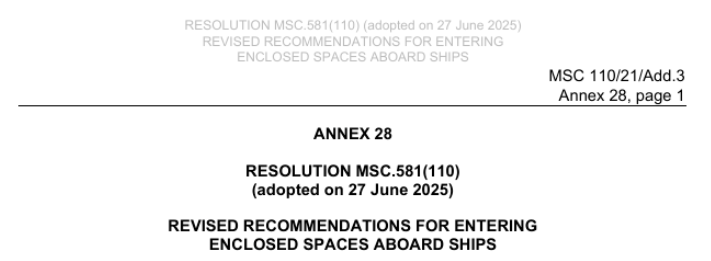
The value of this revision lies in moving enclosed space management from general reminders further towards more systematic risk identification. The new recommendations require companies and ships to identify all enclosed spaces and establish an enclosed space register that can be maintained both on board and ashore; the register should include space layout, access points, adjacent or connected spaces, potential hazards, ventilation arrangements, gas testing, locking arrangements, rescue equipment, and safety/unsafety signage, among other items. It also explicitly states that no person should be allowed to enter an enclosed space alone.
The new recommendations also place greater emphasis on technical measures. They require entrants to carry calibrated personal gas detection equipment for oxygen, carbon dioxide, carbon monoxide, flammable and toxic gases, and other gases identified by risk assessment; they also stress continuous or frequent monitoring while personnel are present. For cargoes such as coal and timber that can deplete oxygen or generate carbon dioxide, carbon monoxide, and other gases, the document sets out more detailed testing and risk control requirements.
These changes are commendable. But the issue is that if the industry merely interprets MSC.581(110) as “update the forms, update the training, update the checklists,” then it will likely become yet another cycle of paperwork compliance. After an accident, investigation reports identify that procedures were not followed; the company trains again; the crew signs again; the next accident occurs at another port, on another ship, in another hold or tank. This cycle has gone on for too long.
From “requiring people to act correctly” to “making errors harder to occur”
This is precisely the key question raised by Pradeep Chawla of MarinePALS: enclosed space safety cannot remain only at the compliance level. Training, permits and drills are still important, but they are essentially administrative controls. The weakness of administrative controls is that they require perfect performance by people in every single operation. For a high‑consequence, low‑tolerance risk like enclosed spaces, this is clearly insufficient.
The industry needs to treat enclosed space entry as an engineering‑control problem. That is, safety systems should not merely tell crew “do not enter,” but should as far as possible make it physically difficult for them to enter; they should not only require testing before operations, but should continuously display hazardous status at entry points, control rooms, deck access ways, and shore‑side collaborative interfaces; they should not only ask rescuers to remain calm, but should use physical isolation, locking, interlocking, alarms, and rescue arrangements to prevent unauthorised persons from rushing into dangerous spaces in panic.
This is not a theoretical issue. Discussions on enclosed space risks by the Nautical Institute already mention potential solutions including clearer identification of dangerous spaces, access control managed by senior officers and shore management, using technology to reduce personnel entry, avoiding or minimising enclosed spaces in new ship designs, ensuring whole‑space ventilation, fixed gas detection, and accessible design for rescue.
At the ship management level, the first step should be turning the enclosed space register into a “dynamic safety map,” not a static document. Which spaces have been judged safe, which spaces must be treated as unsafe unless tested, and which spaces are connected to cargo holds, ballast tanks, fuel tanks, sewage systems or inert gas systems should all be clearly displayed on board. The new IMO recommendations already propose using simple safety/unsafety symbols at embarkation points and near relevant entry points, with time‑stamped diagrams showing status. If implemented properly, this requirement will influence on‑site behaviour far more than a thick SMS manual.
The second step should be “lock by default.” Entry points to high‑risk enclosed spaces should not be easily opened in normal daily conditions. Cargo hold access ways, double‑bottom tanks, ballast tanks, fuel tanks, pump rooms, void spaces, sewage tanks, and other adjacent or connected spaces should be physically locked, tagged, permit‑interlocked and attended on site according to risk level. For spaces that require frequent access or are particularly high‑risk, consideration can be given to linking entry locking with electronic permits, gas testing records, ventilation status, and authorisation by the master or chief engineer. The aim is not to create inconvenience, but to make unauthorised ad‑hoc entry difficult.
The third step should be wider adoption of fixed or semi‑fixed detection means. Not every space needs an expensive fixed gas detection system, but high‑risk spaces, frequently accessed spaces, cargo hold access ways, pump rooms, sewage tanks, fuel tanks, and spaces related to cargoes that can generate toxic gases should be prioritised for fixed detection, fixed sampling tubes, remote sampling points, or systematic deployment of portable detection equipment. The new IMO recommendations already make clear that testing should cover different heights and different areas, because gases can stratify; this precisely shows that testing at a single entry point does not represent the safety of the entire space.
The fourth step should be to reduce the need for entry through design. Many enclosed space entries are not undertaken for “adventure,” but for inspection, cleaning, draining, maintenance, valve operation, clearing blockages, or confirming status. Ship design, conversion and repair stages should give greater consideration to maintainability: can valves and measurement points be moved to safe locations; can personnel entry be reduced through external sampling, remote cameras, robotic inspection, fixed cleaning equipment, external actuators, or better drainage systems. For newbuildings, enclosed space risks should not be left for crews to deal with later through procedures, but should be reduced at the design‑review stage.
The fifth step should be to bring shore‑based personnel into the same control system. The “Berge Mawson” accident shows that enclosed space risks do not only occur among crew members. Stevedores, repair workers, tank cleaners, surveyors, service providers, and terminal personnel may all enter dangerous spaces on board. Therefore, ship‑shore joint risk assessment, access authority management, multilingual warnings, physical barriers, terminal operation coordination, and emergency rescue interfaces must become part of enclosed space management.
Conclusion: compliance is the baseline, not the end point
The reason enclosed space accidents remain stubbornly difficult to eliminate is not complicated. Too often the industry attributes the problem to “procedures not being followed,” but fails to keep asking: why can such a fatal error happen so easily? Why can an untested space be opened? Why can shore personnel approach a dangerous entry point? Why do rescuers become the second wave of casualties? Why is a test result at one entry point mistakenly taken as representing the safety of the entire space?
The revised IMO circular provides the industry with an important window. It requires a more complete register, clearer identification, stricter testing, more explicit training, and more systematic emergency preparedness.
But real progress should not be just one more document, one more training session, or one more signature sheet. Real progress should move enclosed space safety from “reminding people not to make mistakes” to “systems that prevent errors from happening.”
Enclosed space procedures have existed for decades. Now, the shipping industry needs to acknowledge that procedures alone cannot block all errors. The next phase of enclosed space safety should place engineering controls, design improvements, physical isolation, real‑time detection, dynamic signage, and rescue accessibility in a higher position. Only when unsafe entry becomes harder to initiate can deaths in enclosed spaces truly begin to decline.
Author: Liu Hongli


READ MORE
 Safety
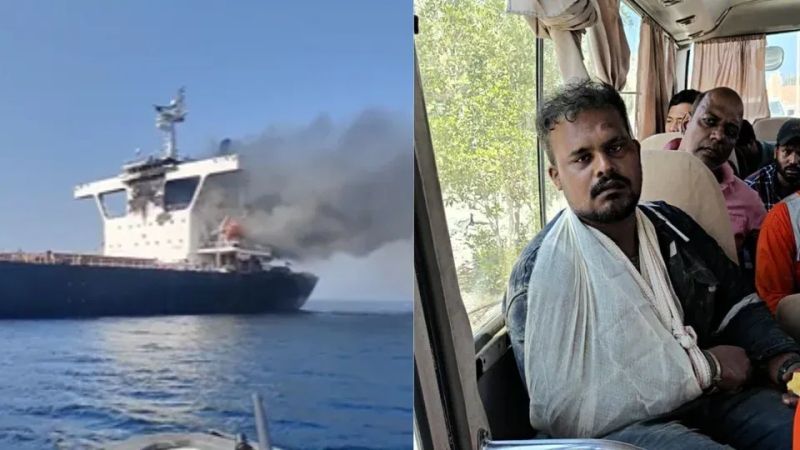
1 seafarer killed, Fatal attack in the Strait of Hormuz: Capesize bulker CAPE DAO hit by unknown projectile
 Safety
25 Crew Abandon MSC Container Ship in the South China Sea — All Rescued, Vessel Still Adrift
 Safety
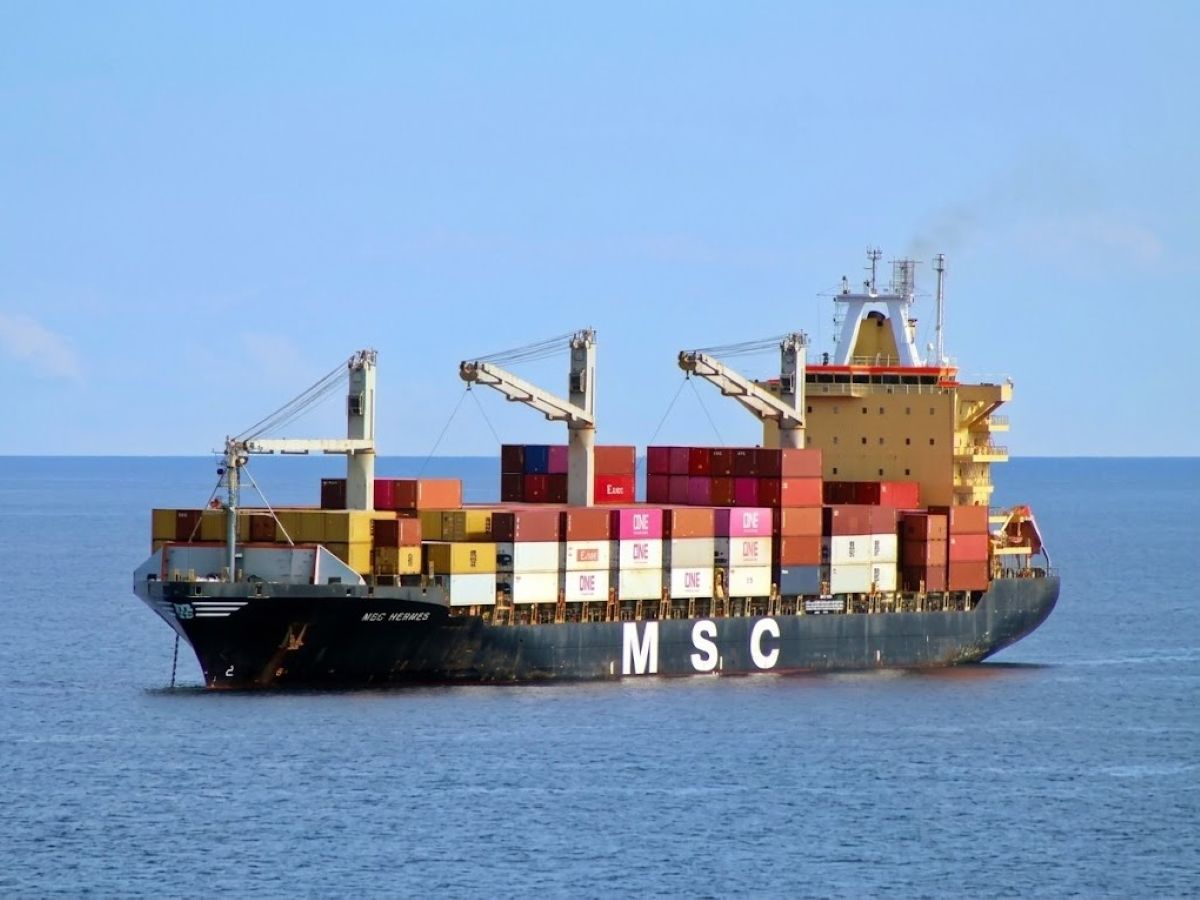
MSC Hermes III Adrift Unmanned in South China Sea After 25 Crew Abandon Ship
 Safety
China-U.S. Consensus Highlights Free Navigation: No Country or Entity Should Impose Transit Fees on International Waterways
 Safety
Dangerous Goods Container Fire Reported at NPCT1 Terminal in Jakarta
 Safety
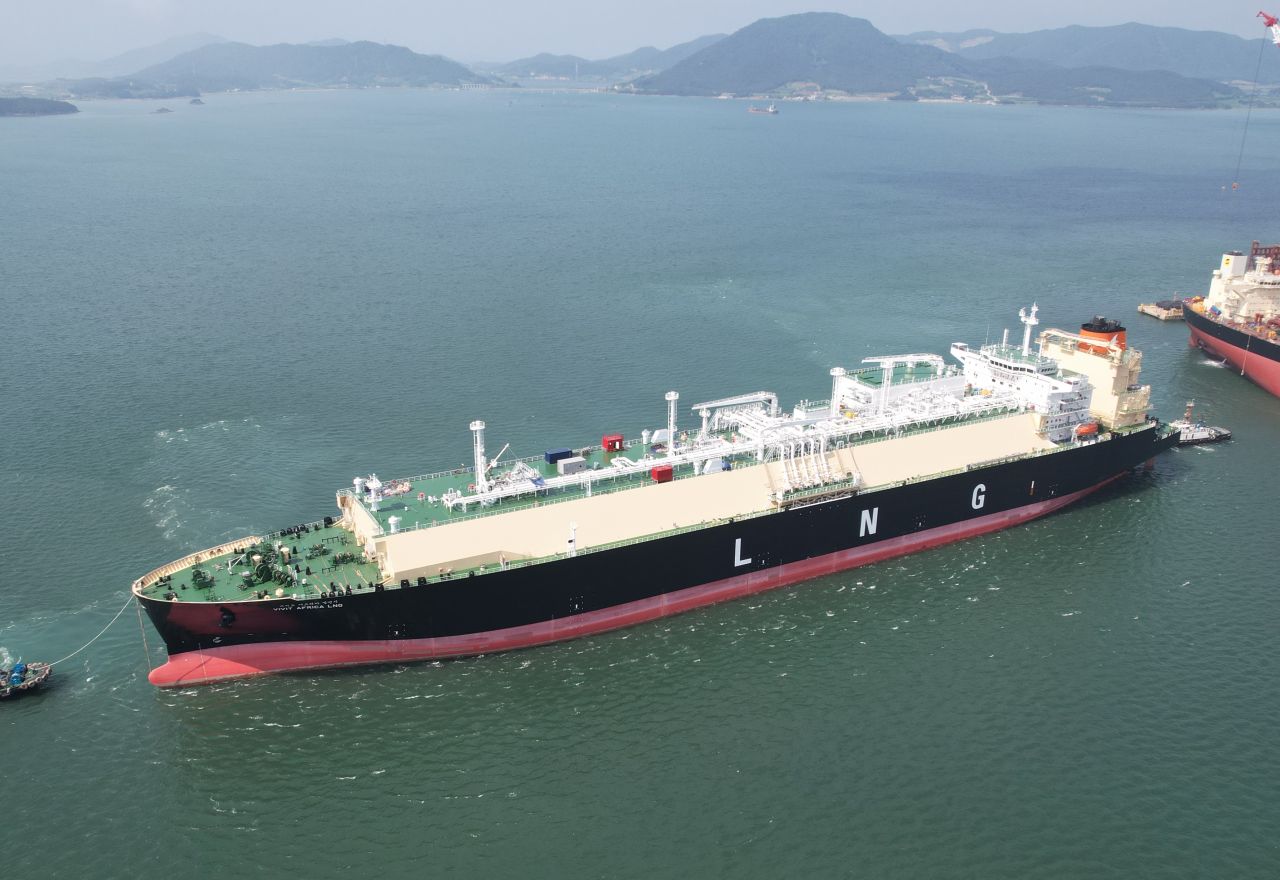
Suspected Cyber Incident Diverts LNG Carrier After Cargo-Control Failure
 Safety
Xinde Marine Forum London 2026: Shipping Moves from Lean Logistics to Resilience by Design
 Safety
Almost the Entire Black Sea Is Now a War-Risk Listed Area
 Safety
Saudi pipeline attack exposes limits of Hormuz bypass strategy
 Safety