


Alcohol‑Control for Seafarers and Key Points for PSC Inspections
On the eve of the Mid‑Autumn Festival and National Day holidays, China MSA released a notice titled “Maritime Authorities Conduct Night Inspections on Crew Watch‑keeping Alcohol Consumption Before Holidays”, which drew wide attention. Drinking alcohol is strictly prohibited for seafarers while performing navigational watch‑keeping duties.
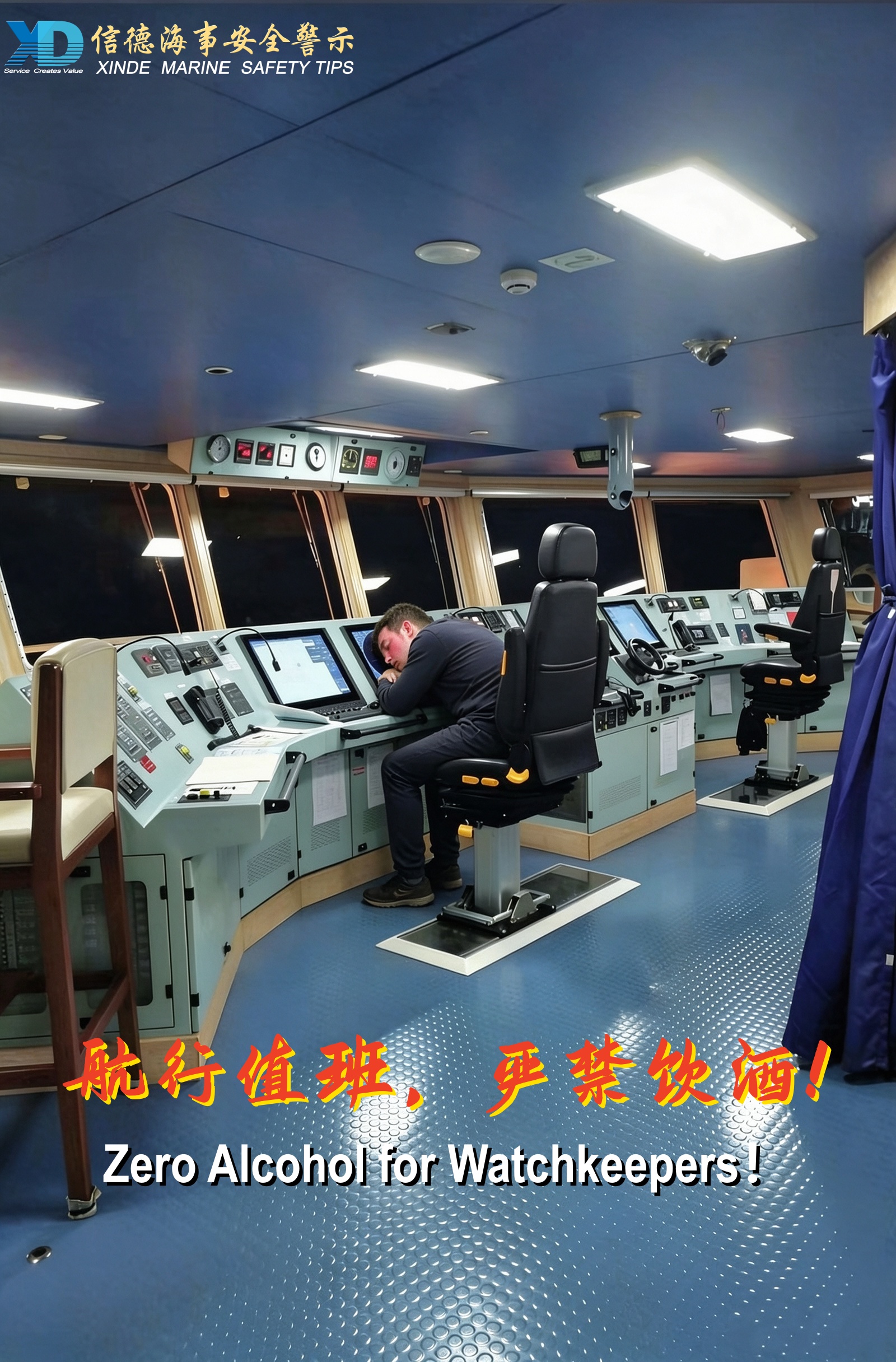

Under the regulations of China Maritime Safety Administration, alcohol intake is forbidden within four hours prior to taking up watch‑keeping duties. While on watch, a seafarer’s Blood Alcohol Concentration (BAC) shall not exceed 0.05 %, and Breath Alcohol Concentration (BrAC) shall not exceed 0.25 mg/L. Maritime authorities carry out regular alcohol screening tests. Violators will face administrative penalties. In serious cases, seafarers’ Certificates of Competency may be revoked. Strict compliance with alcohol‑prohibition rules safeguards maritime navigation safety.
Key Points of Port State Control (PSC) Inspection
Alcohol control is regarded as a high‑risk item that may easily trigger deficiencies or even ship detention under PSC regimes.
- Document Review: Verify whether the alcohol‑related policy within the Safety Management System (SMS) is complete and if crew members have signed acknowledgement of the policy.
- On‑site Spot Checks: PSC officers may require on‑duty crew members to take on‑site breath alcohol tests.
- **Incident‑related Testing: Alcohol tests become mandatory following near‑collisions, groundings and other maritime incidents.
- Common Deficiency Codes: Relevant deficiencies fall under the ISM Code chapter. Severe non‑conformities may result in Action Code 30 (ship detention).
Pre‑inspection Recommendations
- Ensure breath alcohol testers are calibrated periodically with valid calibration certificates kept on‑board.
- Maintain continuous and complete spot‑check logs; no back‑dating of records is permitted.
- Crew members shall be capable of verbally stating key points of the vessel’s alcohol policy.
- Mark alcohol‑prohibited time slots in watch schedules for cross‑verification against alcohol test records.
Below is a checklist grouped under Documents — Equipment — Personnel — On‑site Testing — Deficiency Handling, which can be directly used by the Master for verification.
1. Documents & Safety Management System (SMS)
- A written Alcohol & Drug (D&A) Policy shall be available within SMS / company system documentation.
- The policy shall be incorporated into the ISM safety management system.
- Clear limits shall be specified: BAC ≤ 0.05 %; BrAC ≤ 0.25 mg/L.
- Prohibition of alcohol consumption within four hours prior to assuming watch‑keeping, safety, security or anti‑pollution duties shall be stipulated.
- Provisions shall state that no person under the influence of alcohol or drugs shall undertake watch‑keeping duties.
- Requirements for random testing, post‑incident testing and testing under reasonable suspicion shall be documented.
- Crew members’ signed acknowledgements of the D&A Policy shall be on file.
- The policy shall be posted in conspicuous locations including the bridge, engine control room and mess‑room.
- Company procedures shall govern the calibration, maintenance and consumable management for breath alcohol analysers.
2. Equipment & Records
- A functional Breath Alcohol Tester / Breathalyzer shall be provided on‑board.
- The equipment shall remain within valid calibration period; calibration certificates shall be kept on‑board.
- Functional tests shall be performed and logged in accordance with manufacturer specifications and company procedures.
- Sufficient mouthpieces and other consumables shall be stocked.
- Alternative testing arrangements (port medical service / shore‑based testing) shall be available in case of equipment failure.
- Alcohol test records shall contain date, time, crew name, position, test result and witness signature.
- Complete documentation of random alcohol tests shall be maintained.
- Alcohol and drug tests shall be performed after accidents or hazardous occurrences as required.
- Procedures and records shall cover refusal of testing, positive readings, re‑tests, removal from duty and internal reporting flows.
3. Crew & Watch‑keeping
- On‑duty seafarers shall remain sober with no smell of alcohol.
- Watch schedules in the bridge and engine room shall align with working‑hour records.
- No evidence shall indicate alcohol consumption by relevant crew in the preceding four hours (evidenced by log‑books, provision receipts, CCTV footage or verbal confirmation).
- Masters, deck officers and engineer officers shall be familiar with company‑defined alcohol concentration limits.
- Crew members shall correctly answer key questions:
- How long before watch‑keeping must you refrain from drinking alcohol? → Four hours.
- What is the maximum permitted breath‑alcohol reading? → 0.25 mg/L.
- What is the maximum permitted blood‑alcohol reading? → 0.05 %.
4. On‑site PSC Inspection Actions (Possible measures by PSCO)
- Examine SMS documentation and the Alcohol & Drug Policy.
- Inspect alcohol‑test logs and equipment calibration / annual‑verification certificates.
- Conduct random breath‑alcohol tests for on‑duty or recently relieved watch‑keepers.
- Perform post‑incident alcohol tests for crew involved in maritime casualties.
- Administer tests under reasonable suspicion for crew showing alcoholic odour or abnormal behaviour.
- Request presentation of breath‑test records covering the latest three‑month period: “Show last 3 months breath test records.”
5. Typical Deficiency Codes (Tokyo MOU Deficiency Codes)
| Deficiency Code | Description |
|---|---|
| 18301 | Alcohol and drug policy not established. |
| 18302 | Alcohol limit exceeded by crew member. |
| 18303 | Drug abuse by crew member. |
| 18304 | Alcohol and drug testing equipment not provided. |
| 18305 | Records of alcohol testing not maintained. |
| 18306 | Crew member on duty under influence of alcohol or drugs. |
Note: Action Code 30 means detention shall be imposed for serious deficiencie


READ MORE
 Safety
US Says It Disabled Hong Kong-Owned Bulker off Oman
 Safety
Attacked Just 42Days After Delivery: George Prokopiou’s 115,000-Dwt Tanker Hit in Hormuz
 Safety
Five Seafarers Reported Dead as Puntland Retakes Hijacked Tanker Honour 25
 Safety
Middle East war leaves mounting toll on merchant shipping
 Safety
China-U.S. Consensus Highlights Free Navigation: No Country or Entity Should Impose Transit Fees on International Waterways
 Safety
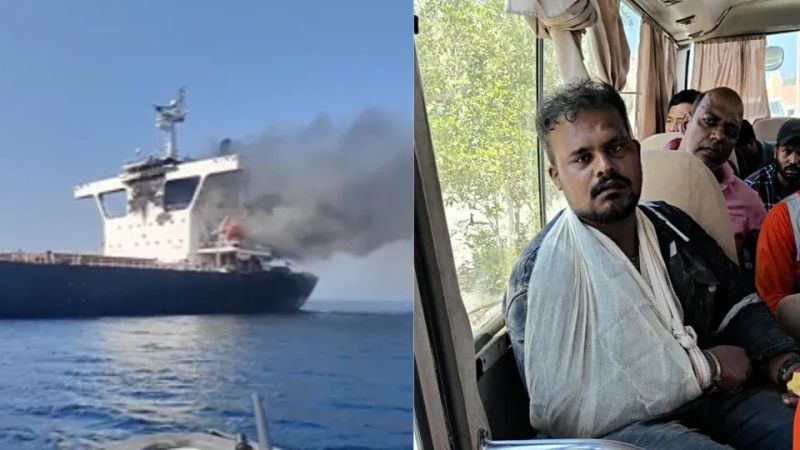
1 seafarer killed, Fatal attack in the Strait of Hormuz: Capesize bulker CAPE DAO hit by unknown projectile
 Safety
25 Crew Abandon MSC Container Ship in the South China Sea — All Rescued, Vessel Still Adrift
 Safety
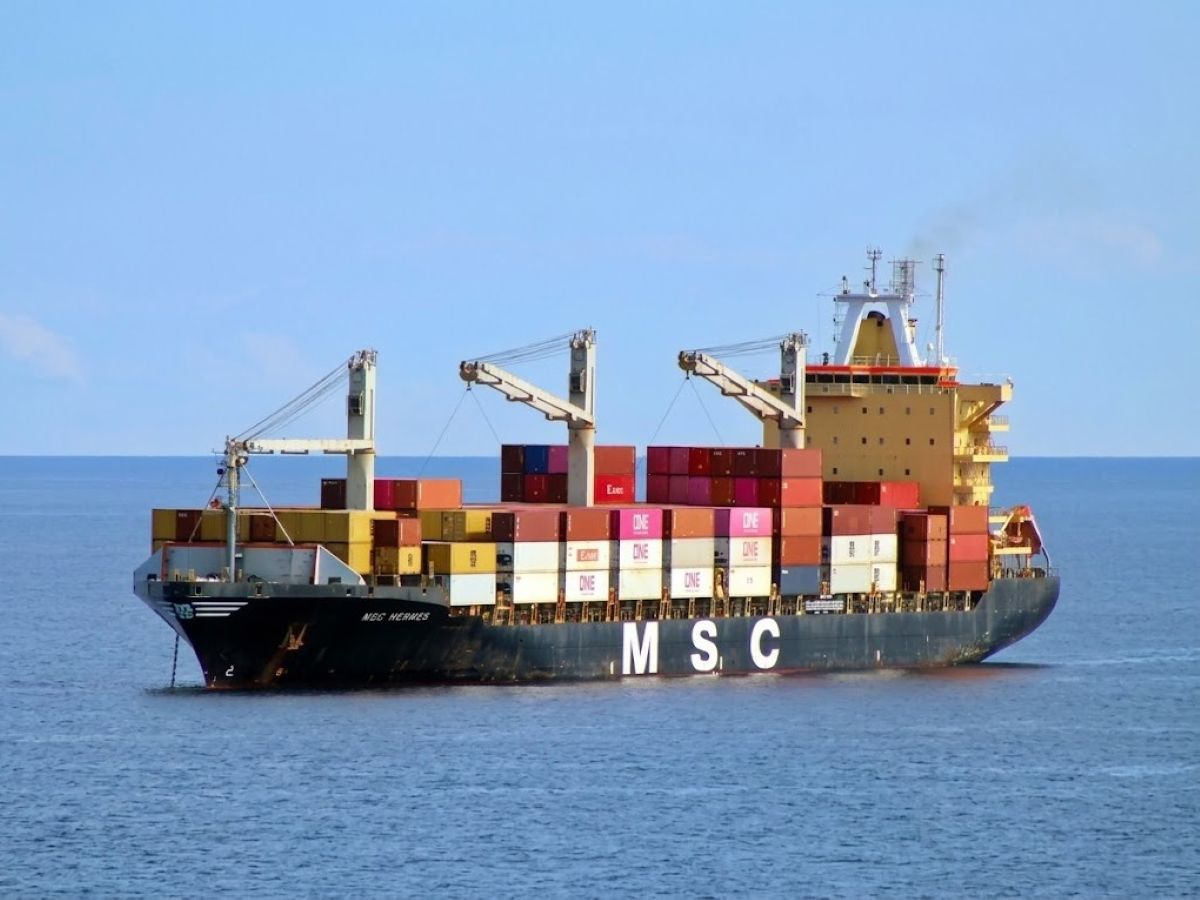
MSC Hermes III Adrift Unmanned in South China Sea After 25 Crew Abandon Ship
 Safety
Dangerous Goods Container Fire Reported at NPCT1 Terminal in Jakarta
 Safety