


Houthi Forces Strike Two Saudi-linked Tankers in Red Sea
Houthi Forces Strike Two Saudi-linked Tankers in Red Sea, First Execution of "Siege for Siege" Strategy
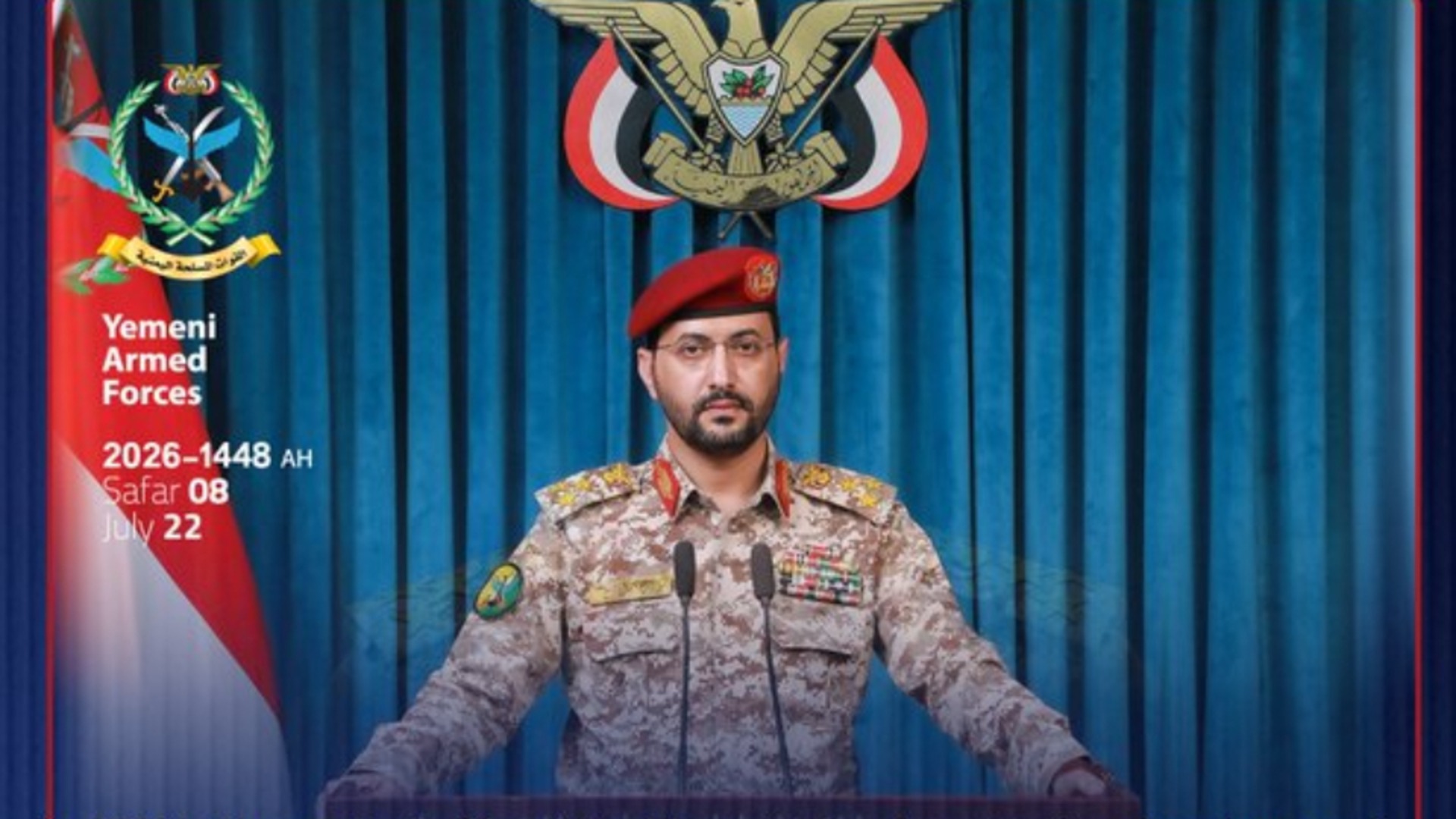

The Red Sea security landscape escalated dramatically within 24 hours on 22 July, as Yemen’s Houthi movement confirmed targeted military strikes on two Saudi-affiliated oil tankers breaching its maritime blockade, marking the first operational rollout of its "siege for a siege" strategy announced on 20 July.
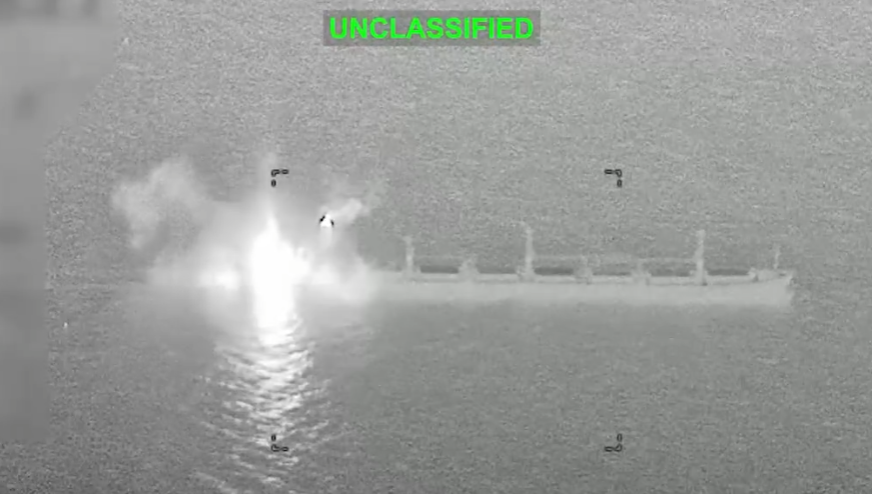
The UK Maritime Trade Operations (UKMTO) published Alert No. 095-26 at 20:00 UTC on 22 July, reporting an attack on a tanker 70 nautical miles southwest of Al Shuqaiq, Saudi Arabia. The vessel’s master reported a hit from an unknown projectile which caused an onboard fire. Crew members were tackling the blaze, with no fatalities, injuries or environmental impact recorded to date. UKMTO has issued a navigational warning urging all passing vessels to exercise heightened caution and report any suspicious activity immediately.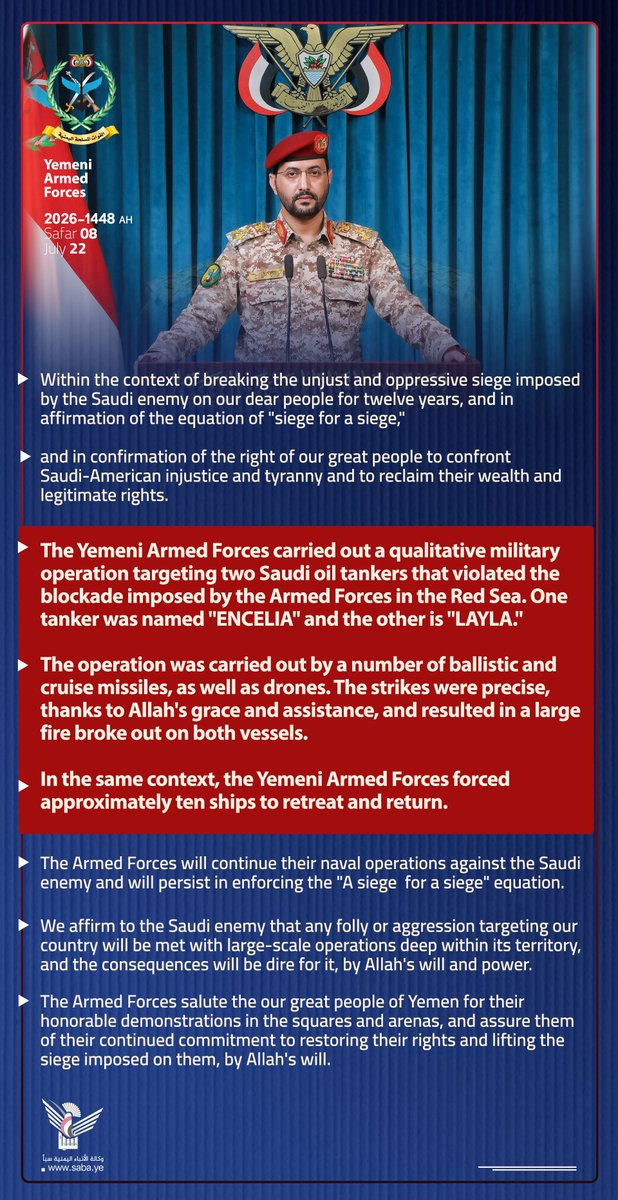
In an official statement released via the Saba News Agency, Houthi armed forces said they carried out the precision operation against two tankers named ENCELIA and LAYLA, both serving Saudi Red Sea coastal port routes. Shipping trajectory verification indicates the fire-stricken vessel in the UKMTO alert is likely ENCELIA.
Key particulars of the two tankers:
- VLCC LAYLA (IMO: 9336098): 317,821 DWT, 333.0m LOA, 60.0m beam, built August 2007, operated by Saudi National Shipping Company
- Aframax ENCELIA (IMO: 9240172): 109,250 DWT, 249.9m LOA, 44.0m beam, built January 2003, operated by Bihar International Co
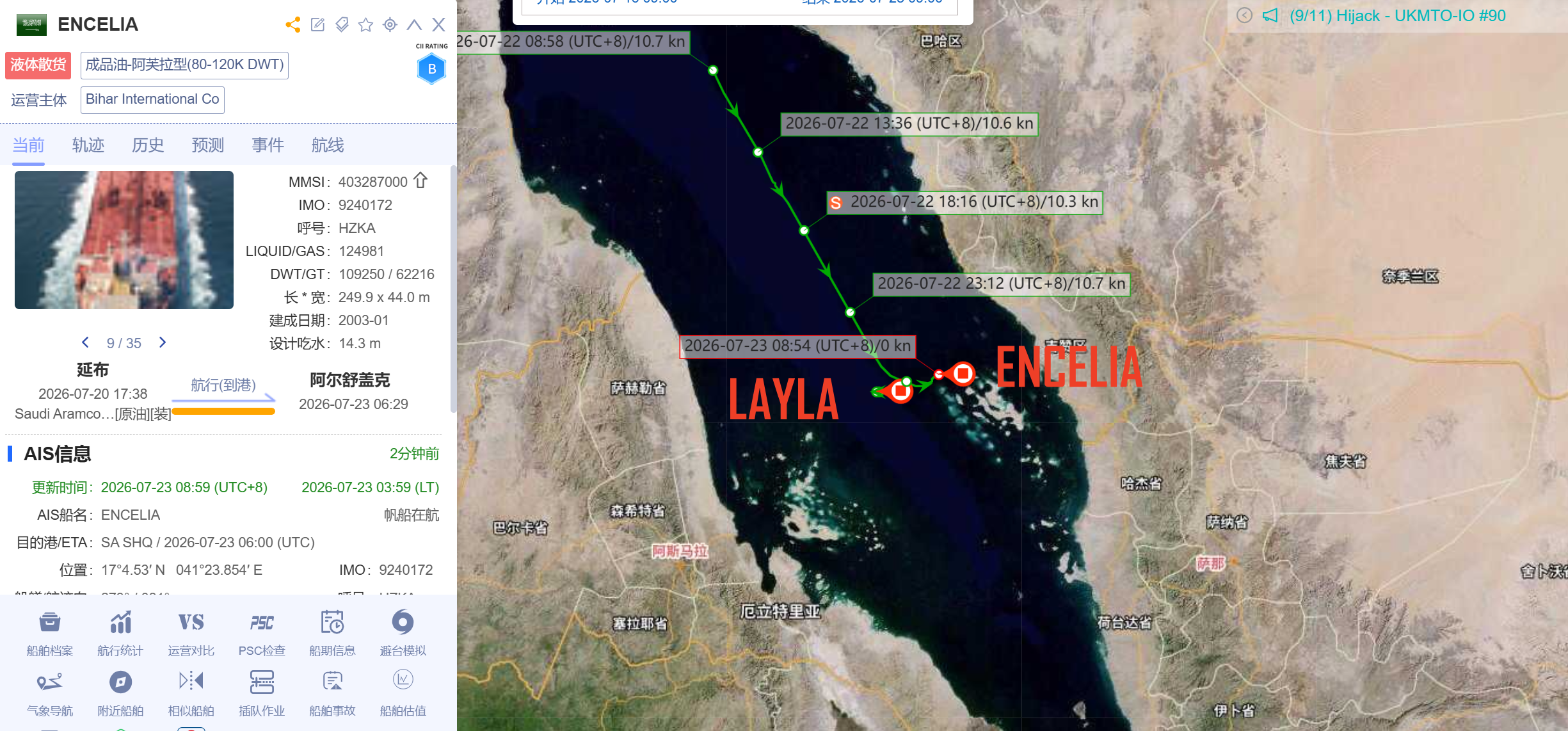
- source:Vessel Value Visualization
The Houthis deployed a combination of ballistic missiles, cruise missiles and drones in the attack, stating both vessels caught fire. Around 10 other vessels were forced to turn back during the operation, delivering a clear deterrent effect. The group further warned that any provocation or aggression against Yemeni territory would trigger large-scale military strikes deep into Saudi Arabia.
The Red Sea escalation comes alongside mounting risks across three critical global energy shipping corridors this month. The Strait of Hormuz has seen over a dozen attacks resulting in multiple casualties, while Black Sea maritime security has deteriorated sharply amid intensified hostilities.
Shipping operators are advised to fully factor in the fast-evolving geopolitical situation in voyage planning and place extra emphasis on crew safety.
on the other hand,Timeline of Merchant Vessel Attacks around the Strait of Hormuz – July 2026
7 July Three separate attacks on merchant vessels erupted within 24 hours across the Strait of Hormuz and adjacent waters, as confirmed by UKMTO alerts. One tanker sustained minor structural damage following a drone strike. The wave of assaults marked a sharp deterioration in regional security after the temporary US-Iran truce reached in June. Three liquid cargo ships came under successive attacks. The US launched strikes targeting Iranian assets and early revoked exemptions permitting Iranian oil exports.
8–9 July Mutual military strikes between the United States and Iran effectively collapsed the ceasefire. Washington carried out strikes against Iranian-linked targets citing the vessel attacks, prompting retaliatory action from Iran. War risk premiums for voyages through the Strait of Hormuz jumped from 2% to nearly 3% within 24 hours amid heightened tensions.
12 July A merchant vessel sailing off Oman was attacked. The engine room suffered severe damage and caught fire, forcing the crew to abandon ship. Out of 11 Indian nationals on board, ten crew members have been rescued while one remains missing.
14 July The deadliest incident of the current conflict unfolded. Two UAE state-owned VLCCs, Mombasa and Al Bahiyah, were hit by Iranian cruise missiles inside Omani territorial waters in the southern traffic lane of the Strait of Hormuz. Both vessels caught fire. The attack killed two seafarers and injured 14 others. The International Maritime Organization (IMO) updated its maritime security advisory the same day.
18 July Iran’s Islamic Revolutionary Guard Corps (IRGC) issued a statement confirming two tankers exploded and caught fire after entering mined waters south of the Strait of Hormuz. No details regarding vessel nationality or crew casualties were released.
19 July Four vessels attempted to navigate waters south of the Strait of Hormuz via what Iran described as an unsafe route, according to Tasnim News Agency. Two vessels suffered incidents and the other two aborted their transit.
02:00 local time, 20 July A Kuwait-flagged oil & chemical tanker came under attack, forcing crew evacuation. UKMTO Advisory 092-26 recorded the incident around 8 nautical miles northwest of Kumzar, Oman. The vessel was travelling inbound toward the Arabian Gulf when suspected drone strikes ignited the bunker tank. All crew abandoned ship into life rafts and were later rescued by an Omani tugboat; two mariners sustained minor injuries.


READ MORE
 Safety
US Says It Disabled Hong Kong-Owned Bulker off Oman
 Safety
Attacked Just 42Days After Delivery: George Prokopiou’s 115,000-Dwt Tanker Hit in Hormuz
 Safety
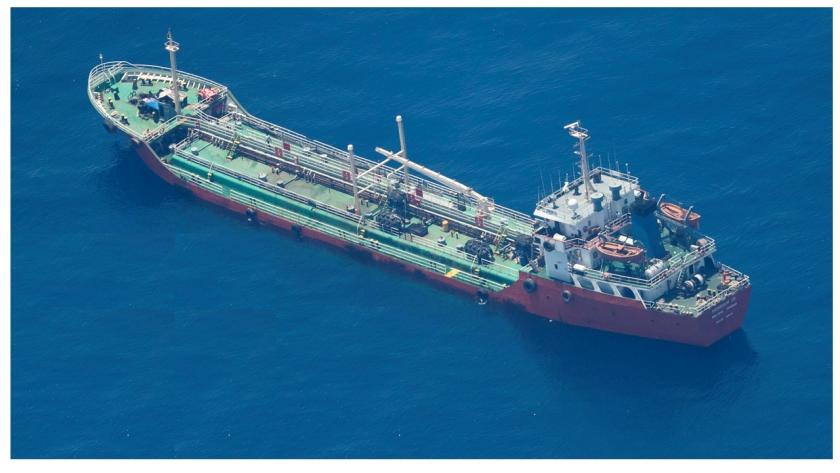
Five Seafarers Reported Dead as Puntland Retakes Hijacked Tanker Honour 25
 Safety
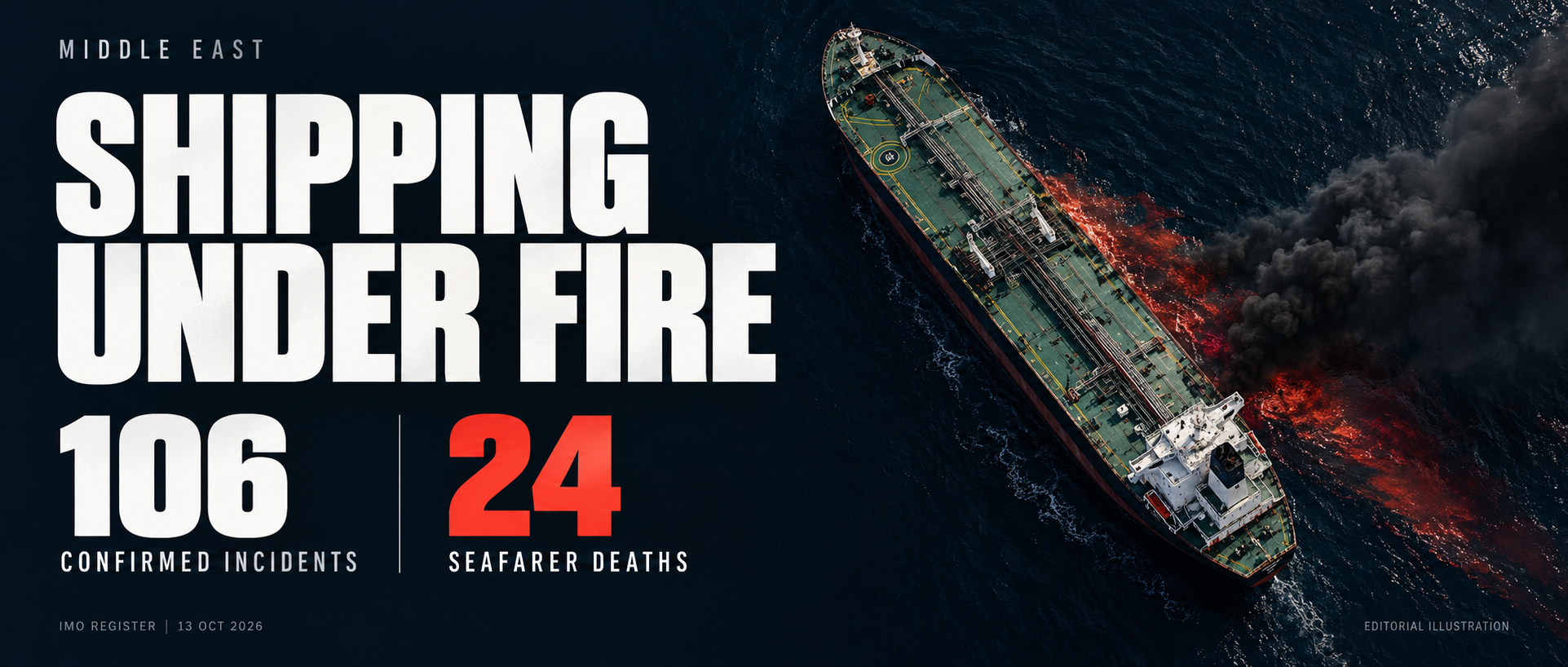
Middle East war leaves mounting toll on merchant shipping
 Safety
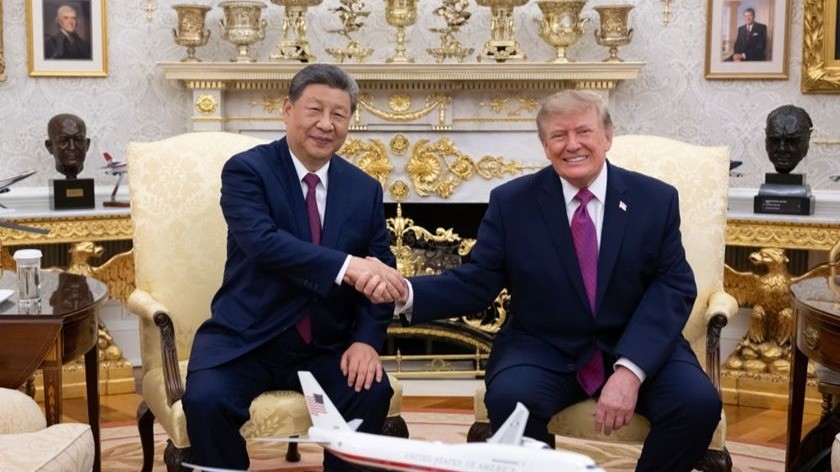
China-U.S. Consensus Highlights Free Navigation: No Country or Entity Should Impose Transit Fees on International Waterways
 Safety
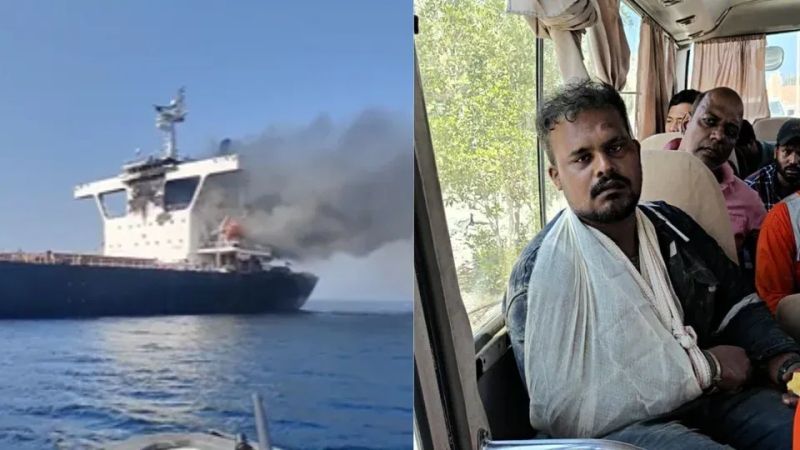
1 seafarer killed, Fatal attack in the Strait of Hormuz: Capesize bulker CAPE DAO hit by unknown projectile
 Safety
25 Crew Abandon MSC Container Ship in the South China Sea — All Rescued, Vessel Still Adrift
 Safety
MSC Hermes III Adrift Unmanned in South China Sea After 25 Crew Abandon Ship
 Safety
Dangerous Goods Container Fire Reported at NPCT1 Terminal in Jakarta
 Safety