


Gabon Takes Back Control of Ship Registry After Shadow Fleet Operator Loses Mandate
The Central African country has terminated its agreement with Intershipping Services, a UAE-based registry operator sanctioned by both the European Union and the United Kingdom over its role in registering vessels linked to Russian oil trades.
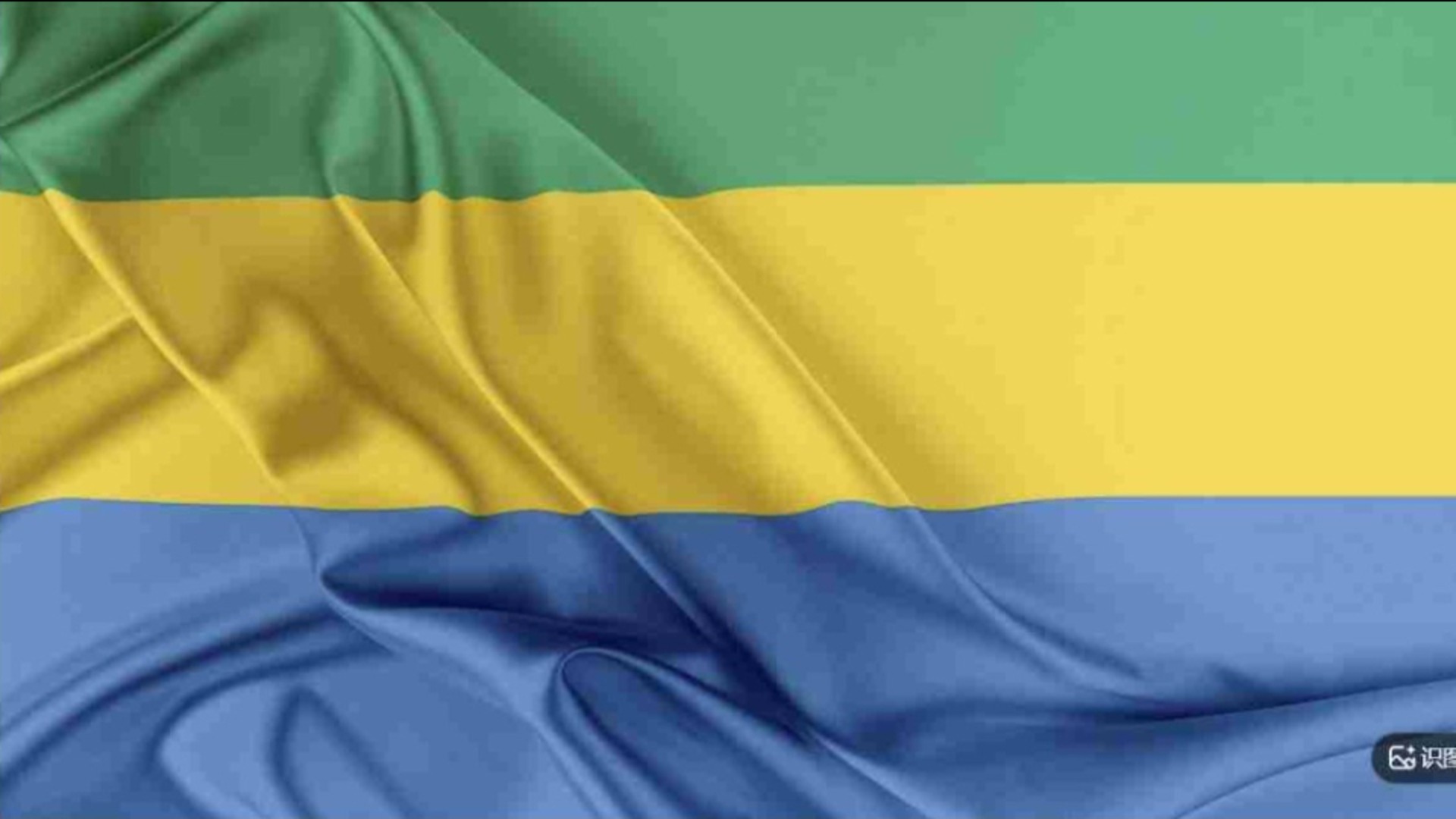
Gabon has revoked the authority of Intershipping Services LLC to operate its international ship registry, bringing an end to a relationship that helped transform the Central African country into one of the world’s fastest-growing flags for tankers linked to sanctioned Russian oil trades.
The decision marks a significant shift in Gabon’s maritime administration and adds further pressure on the network of private registries, corporate service providers and flag intermediaries supporting the so-called shadow fleet.
The Gabonese Council of Ministers approved the termination of the agreement on April 30, 2026. According to the government’s official communiqué, the decision followed identified failures by Intershipping Services, including non-compliance with contractual obligations that had compromised the proper functioning of the registry and damaged the interests of the Gabonese state.
The move has since been communicated to the international maritime community, with Gabon taking back responsibility for the administration of its international ship register. The arrangement should more accurately be described as a return of the registry to direct state control rather than a nationalisation of private assets, as ship registration remains a sovereign function exercised by the flag state.
Agreement dates back to 2018
Intershipping Services, headquartered in Ajman in the United Arab Emirates, signed an agreement with Gabon’s Ministry of Transport and Logistics on September 15, 2018.
Under that agreement, the company was authorised to establish and operate the Gabonese International Register of Ships worldwide. Intershipping continued to describe itself on its website as the sole authorised global representative of the Gabonese maritime administration, providing services including ship registration, statutory certification, mortgage registration, STCW endorsements and flag-related documentation.
The outsourced registry model allowed foreign shipowners to register vessels under the Gabonese flag through an overseas commercial operator. Such arrangements can provide smaller maritime administrations with international marketing networks, technical expertise and additional registration income.
However, they can also create substantial governance risks when the flag state lacks effective control over ship acceptance, due diligence, certification and regulatory oversight.
These risks became increasingly visible as Gabon’s register expanded rapidly following Western sanctions against Russia.
Gabon emerged as a major shadow fleet flag
Gabon became a preferred flag destination for tankers that had lost access to established registries or faced heightened scrutiny because of their involvement in Russian oil transportation.
According to Lloyd’s List, the registry recorded growth of around 675% at its peak and briefly became Africa’s second-largest ship register after Liberia. Its expansion was driven partly by the transfer of 58 tankers controlled by Russia’s state-owned Sovcomflot from the Liberian flag to Gabon.
The influx brought rapid tonnage growth, registration income and international visibility. It also connected the Gabonese flag with older tankers, opaque ownership structures, questionable insurance arrangements and vessels operating outside mainstream Western maritime service networks.
Many ships in the wider shadow fleet frequently change flag, ownership, management company and registered address. These changes make it more difficult for regulators, insurers, port authorities and counterparties to identify the parties exercising effective control over a vessel.
EU and UK sanctioned the registry operator
Intershipping Services came under direct Western sanctions in July 2025.
The European Union listed the company on July 19, stating that it operated Gabon’s international flag registry and had registered ships transporting Russian crude oil and petroleum products, including vessels controlled by Sovcomflot.
The EU also said that several ships registered through the Gabonese and Comorian systems had engaged in high-risk shipping practices. These included inadequate liability insurance, unsafe operations, deliberate AIS shutdowns and the absence of transparent corporate governance capable of protecting seafarers and the marine environment.
The United Kingdom designated Intershipping Services two days later, on July 21, 2025.
The UK government described the company as responsible for registering shadow fleet vessels under the Gabonese flag and claimed that ships registered through the system transported goods worth as much as $10 billion annually on behalf of the Russian state.
The sanctions were particularly significant because they targeted a company operating a flag registry rather than concentrating only on individual vessels, shipowners or managers.
Once a registry operator is sanctioned, shipowners may face difficulties paying registration fees, renewing certificates, arranging inspections or maintaining other contractual relationships with the operator. Banks, insurers, classification societies and maritime service companies may also reconsider their involvement with ships connected to the registry.
Gabon cites contractual failures
The distinction between Gabon’s official explanation and the wider sanctions background remains important.
The government’s April 30 communiqué did not explicitly state that the agreement was terminated because Intershipping Services had registered Russian shadow fleet vessels. Its stated grounds were contractual failures, disruption to the registry’s operation and harm to state interests.
The EU and UK sanctions nevertheless formed a critical part of the environment surrounding the decision. Continued reliance on a sanctioned foreign operator would have created growing legal, financial and reputational difficulties for the Gabonese administration and for shipowners using its flag.
Ending the agreement gives Libreville an opportunity to examine the registry’s fleet, verify existing certificates, review beneficial ownership information and reassess which vessels remain eligible to fly the Gabonese flag.
The immediate operational issue concerns how Gabon will manage existing registrations during the transition. Shipowners will require clarity over certificate validity, renewal procedures, mortgage records, statutory documentation and the identity of the authorities authorised to act on behalf of the flag state.
Greater pressure on shadow fleet facilitators
The Gabon case reflects a broader evolution in sanctions enforcement.
Western regulators are increasingly moving beyond the designation of individual tankers and targeting the infrastructure that allows those ships to operate. That infrastructure includes ship managers, traders, insurers, technical service providers, corporate registrars and flag registry operators.
Removing one provider does not automatically remove the vessels from the market. Sanctioned ships can migrate to another permissive registry, use short-term provisional registration or claim flags without valid government authorisation.
This pattern has produced repeated rounds of flag hopping among tankers carrying Russian, Iranian and Venezuelan oil.
For flag states, the reputational and financial risks are becoming more serious. Rapid registry growth can generate revenue, although accepting large numbers of opaque or sanctioned vessels may expose the administration to port-state scrutiny, diplomatic pressure, sanctions and potential liability following casualties or pollution incidents.
Gabon’s decision therefore carries significance beyond one contract. It demonstrates that governments may eventually reclaim direct control when outsourced registries create unacceptable compliance, safety and sovereignty risks.
The next stage will depend on whether Gabon can rebuild its registry around stronger due diligence, transparent administration and credible technical oversight. The ships that entered during the shadow fleet expansion will also need to determine whether they can remain under the Gabonese flag or must begin another round of re-registration.

READ MORE
 Safety
US Says It Disabled Hong Kong-Owned Bulker off Oman
 Safety
Attacked Just 42Days After Delivery: George Prokopiou’s 115,000-Dwt Tanker Hit in Hormuz
 Safety
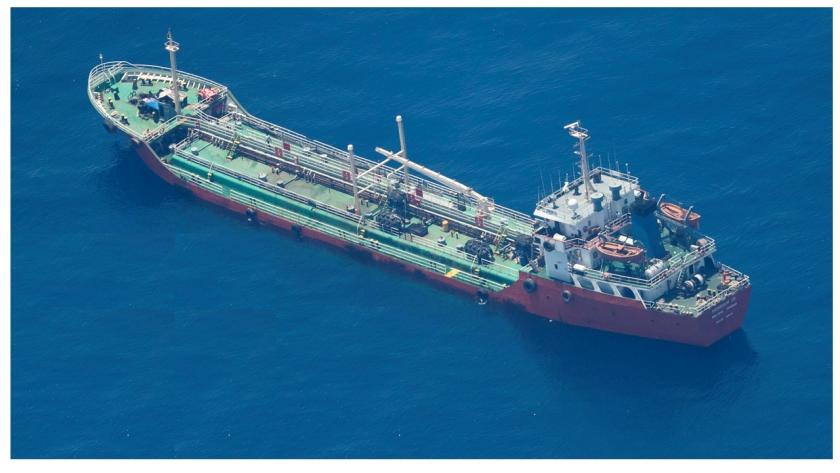
Five Seafarers Reported Dead as Puntland Retakes Hijacked Tanker Honour 25
 Safety
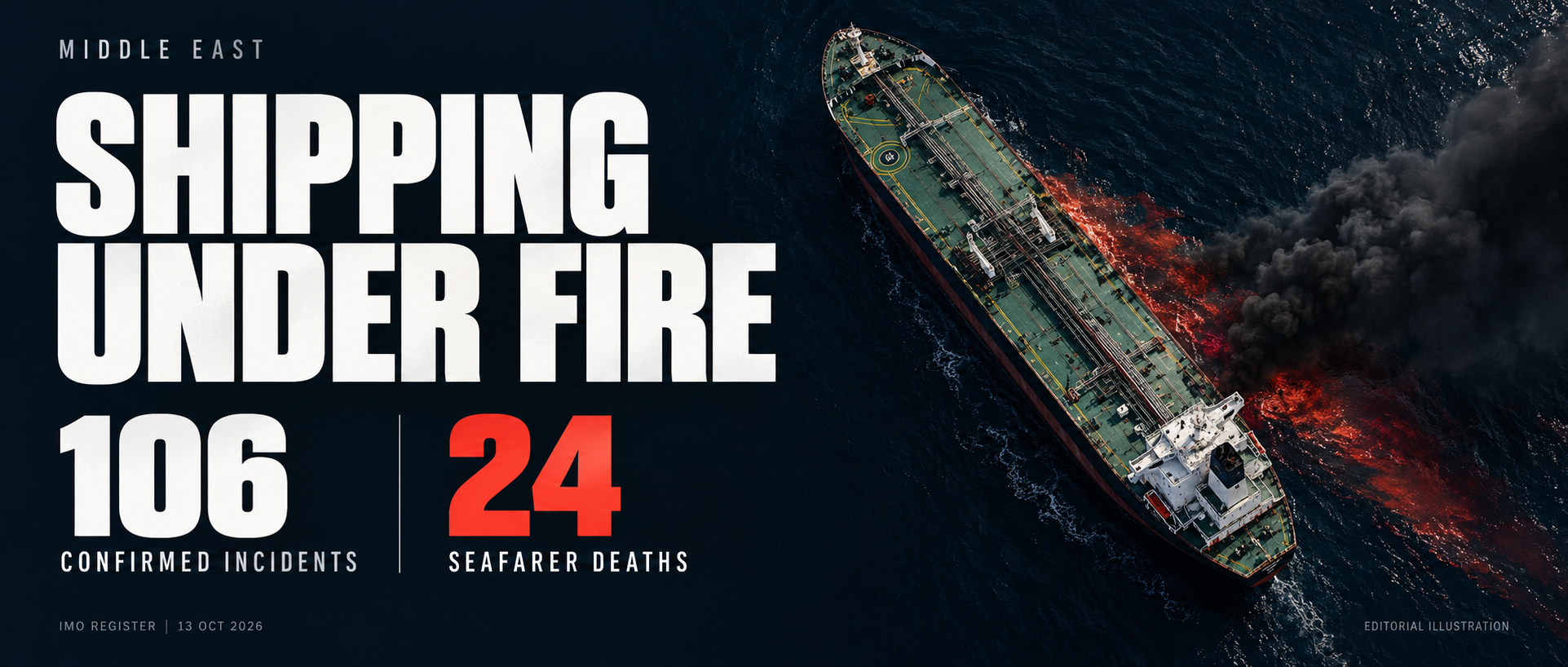
Middle East war leaves mounting toll on merchant shipping
 Safety
China-U.S. Consensus Highlights Free Navigation: No Country or Entity Should Impose Transit Fees on International Waterways
 Safety
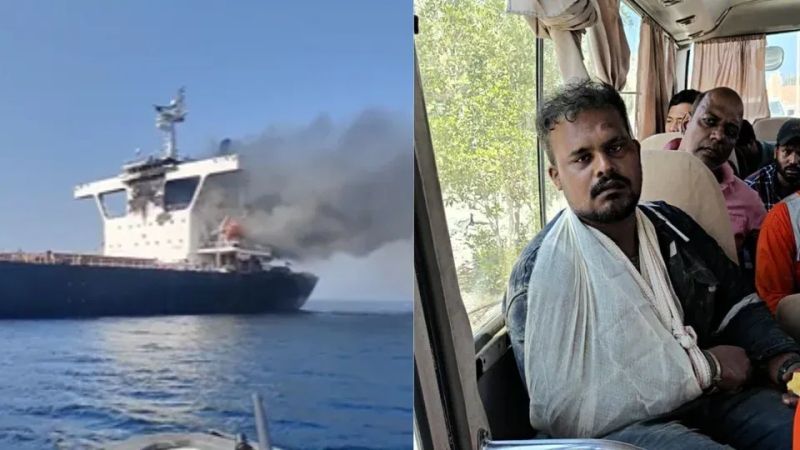
1 seafarer killed, Fatal attack in the Strait of Hormuz: Capesize bulker CAPE DAO hit by unknown projectile
 Safety
25 Crew Abandon MSC Container Ship in the South China Sea — All Rescued, Vessel Still Adrift
 Safety
MSC Hermes III Adrift Unmanned in South China Sea After 25 Crew Abandon Ship
 Safety
Dangerous Goods Container Fire Reported at NPCT1 Terminal in Jakarta
 Safety