


🌍 Tens of Thousands of Casualties & Hundreds of Billions in Losses! Is the War Really Over?
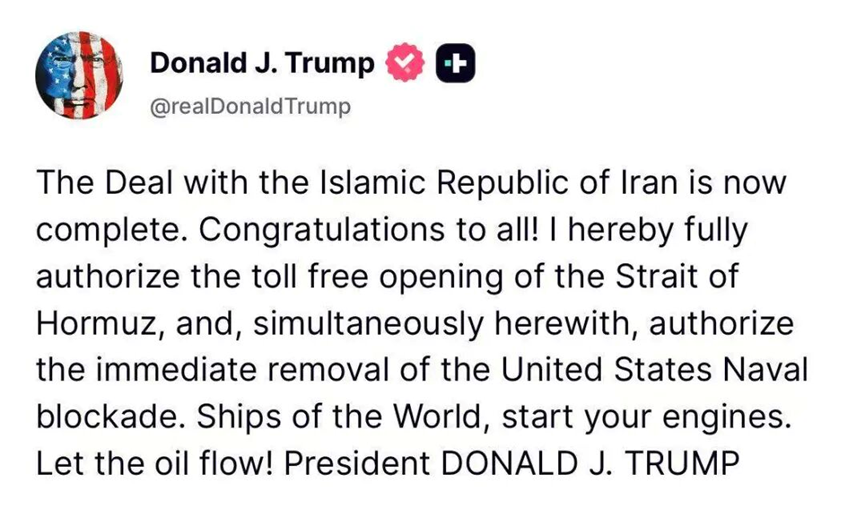

On June 14, 2026, the United States and Iran reached a peace agreement known as the "Islamabad Memorandum of Understanding," aiming to end their nearly four-month-long military conflict. Mediated by countries including Pakistan, both parties agreed to permanently terminate military operations across all fronts, including Lebanon. The official signing ceremony is set for June 19 in Geneva, Switzerland.

Here is a breakdown of the agreement, its devastating costs, and what it means for global markets:
🤝 The Terms of the Agreement
The memorandum is based on explicit conditions:
- The US has committed to lifting its naval blockade on Iranian ports and unfreezing Iran's overseas assets.
- In return, Iran has agreed to complete maritime mine-clearing within 30 days, reopen the Strait of Hormuz—a critical global energy artery—and restore toll-free freedom of navigation.
- This signing opens a 60-day negotiation window. Following the verification of these initial commitments, the two sides will engage in substantive technical consultations regarding deeper issues, including the lifting of sanctions and Iran's nuclear program.
💔 The Devastating Cost of Conflict
The human and economic toll over the past few months has been staggering.
Iran:3,499 deaths (including 278 students and 67 teachers) and over 20,000 injured.
~$270 billion in losses. US-Israeli attacks destroyed 125,640 civilian units (100,000 homes, 20,500 shops, 339 health centers), alongside hundreds of damaged schools and public facilities.
Israel:35 deaths, over 8,000 injured, and over 6,300 evacuated.
~$17.5 billion in direct war costs (excluding reconstruction or economic shutdown impacts).
United States13 deaths and 415 injured.
📉 Global Economic Fallout & Market Reaction

The most significant impact on the global economy stemmed from the blockade of the Strait of Hormuz, a chokepoint handling about 20% of global oil shipments, which Iran closed as an economic lever. In retaliation, US Central Command implemented a total naval blockade of Iranian ports and launched escort operations for commercial tankers.
- Inflation & Supply Chains: This maritime standoff severed global commodity supply chains, causing prices for crude oil, natural gas, and fertilizers to skyrocket and triggering global imported inflation. US annualized inflation reached a three-year high of 4.2% in May, while the European Central Bank was forced to hike rates despite economic weakness. Multinationals are now abandoning "zero-inventory" models to build costlier, secure backup supply chains.
- Market Rebound: Following the memorandum's announcement, markets reacted positively. WTI and Brent crude oil futures both plunged by roughly 4%. Concurrently, global stock markets—especially in energy-dependent Asian nations like Japan and South Korea—experienced significant rebounds.
🔮 Looking Ahead: A "Fragile Peace"
While the agreement eases US domestic dissatisfaction over high gas prices, fundamental contradictions remain. Iranian officials explicitly stated the deal represents a practical compromise, not the establishment of mutual trust. For the shipping industry, it will still take weeks of post-mine-clearing safety assurances before insurance rates drop and large-scale commercial shipping fully returns.
The international community remains cautious. The upcoming 60-day talks face massive divides over core issues like US sanctions and Iran's nuclear program, meaning the agreement could fracture if either side feels compromised. Underscoring this fragility, Israel continued airstrikes on targets in southern Lebanon on the exact same day the peace deal was announced.
Ultimately, the global economy will need to adapt to this "fragile peace" for the foreseeable future. Navigating sudden geopolitical variables must now be a primary consideration in long-term planning for governments and businesses worldwide.
#Geopolitics #GlobalEconomy #SupplyChain #EnergyMarkets #MaritimeShipping #InternationalRelations #MiddleEast


READ MORE
 Safety
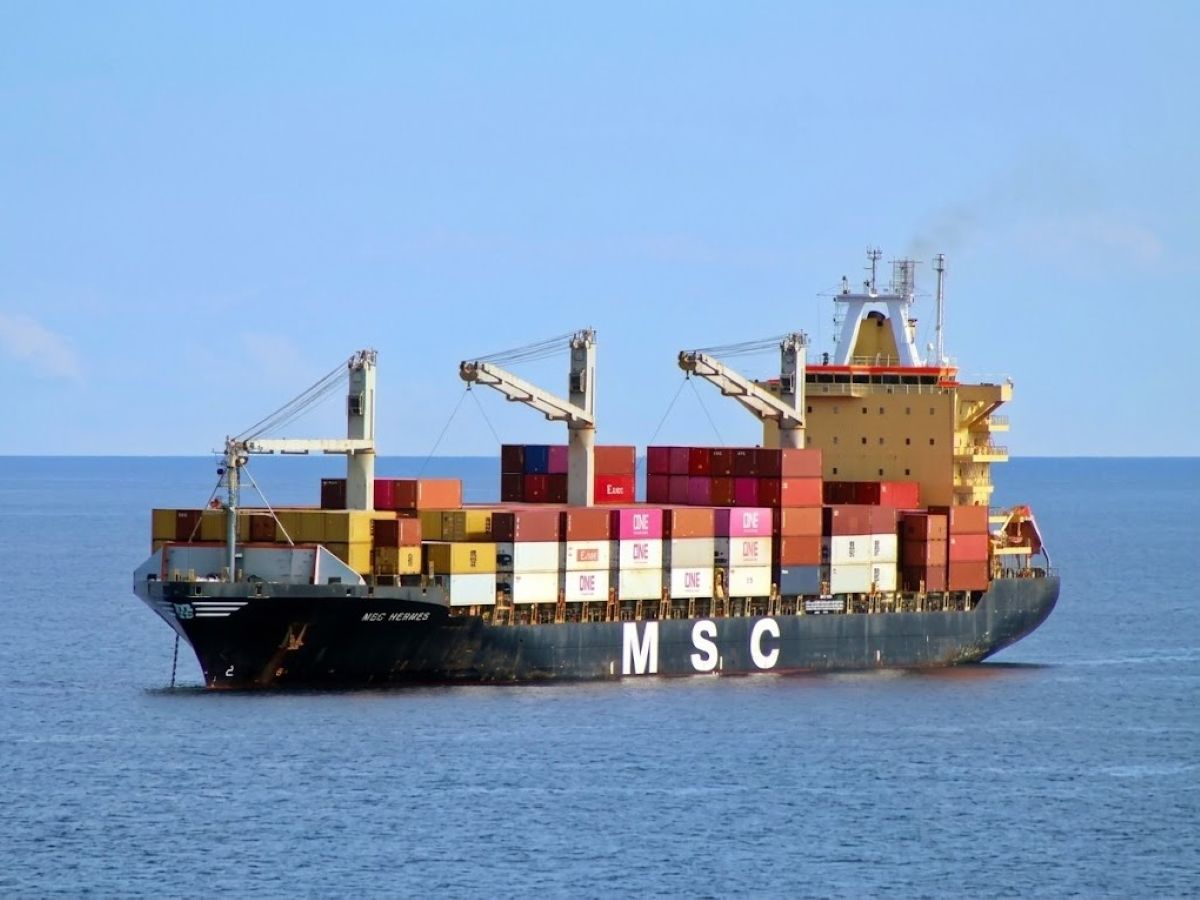
25 Crew Abandon MSC Container Ship in the South China Sea — All Rescued, Vessel Still Adrift
 Safety
MSC Hermes III Adrift Unmanned in South China Sea After 25 Crew Abandon Ship
 Safety
Dangerous Goods Container Fire Reported at NPCT1 Terminal in Jakarta
 Safety
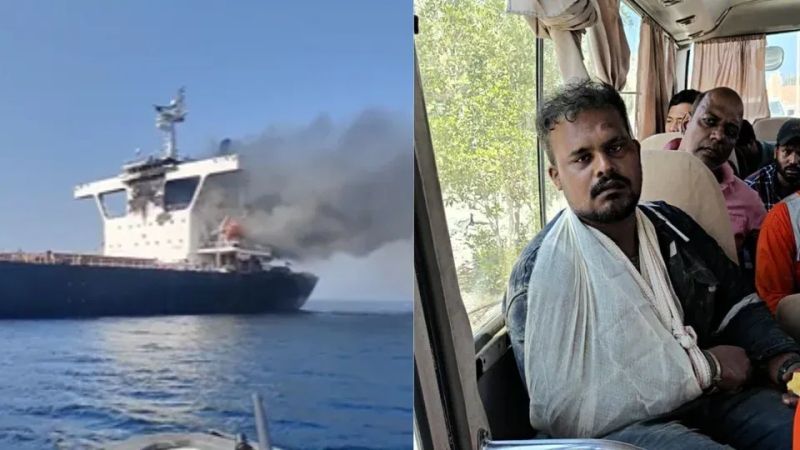
1 seafarer killed, Fatal attack in the Strait of Hormuz: Capesize bulker CAPE DAO hit by unknown projectile
 Safety
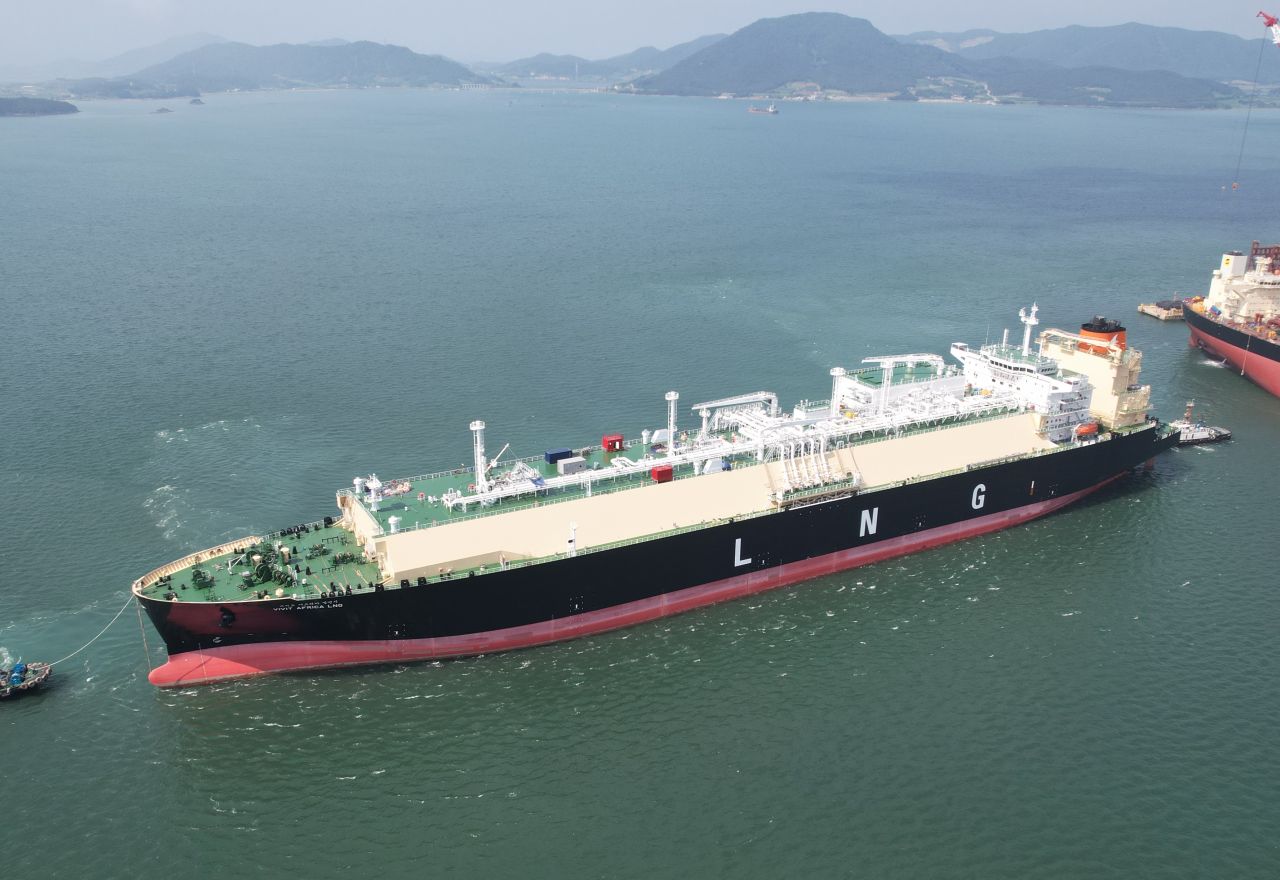
Suspected Cyber Incident Diverts LNG Carrier After Cargo-Control Failure
 Safety
Xinde Marine Forum London 2026: Shipping Moves from Lean Logistics to Resilience by Design
 Safety
Almost the Entire Black Sea Is Now a War-Risk Listed Area
 Safety
Saudi pipeline attack exposes limits of Hormuz bypass strategy
 Safety
Engine Room Fire Epidemic Prompts Global Safety Alert After Qingdao Shipyard Tragedy
 Safety