


Another tanker incident in the Gulf of Oman — and another reminder that commercial shipping is now operating inside the front line of geopolitical enforcement.
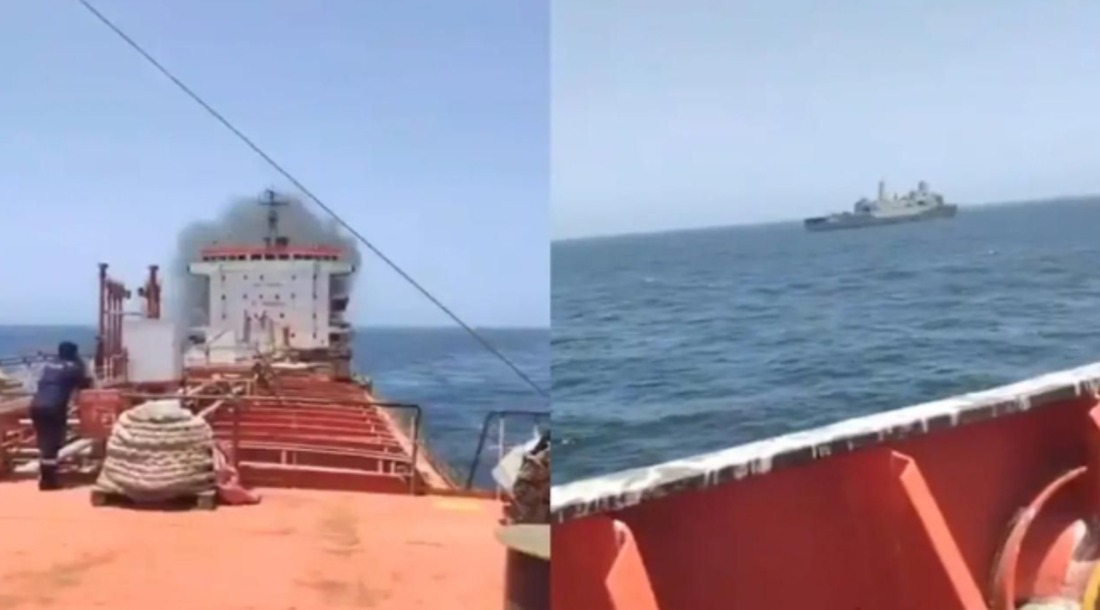

On 8 June, U.S. Central Command said U.S. forces disabled the Palau-flagged product tanker M/T MARIVEX in the Gulf of Oman after the vessel allegedly attempted to sail to an Iranian port in violation of the ongoing U.S. blockade.
According to Indian and regional reports, all 24 Indian seafarers onboard have been safely evacuated with assistance from Oman. That is the most important news in this case.
But for shipping, the bigger signal is difficult to ignore.
This is no longer only about missiles, drones, suspicious approaches or attacks by non-state actors. The risk map for the Gulf of Oman, Strait of Hormuz and surrounding waters is expanding to include direct military enforcement against commercial tonnage deemed “non-compliant” by a state actor.
For owners, managers, charterers, insurers and seafarers, this creates a far more complicated operating environment: sanctions screening, voyage transparency, war-risk exposure, crew safety, AIS behaviour, and the legal status of blockade enforcement are now converging in real time.
Even if the latest Iran-Israel exchange appears to pause, maritime risk in the region has not disappeared. The sea lane itself has become part of the pressure mechanism.
The immediate relief is that the crew are safe.
The longer-term concern is that commercial vessels are being pulled deeper into a military and sanctions enforcement cycle where a single voyage decision can quickly become a security incident.

READ MORE
 Safety
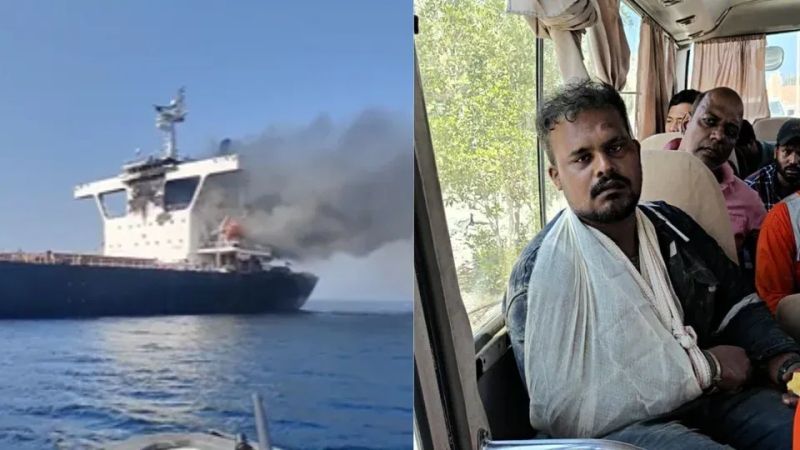
1 seafarer killed, Fatal attack in the Strait of Hormuz: Capesize bulker CAPE DAO hit by unknown projectile
 Safety
25 Crew Abandon MSC Container Ship in the South China Sea — All Rescued, Vessel Still Adrift
 Safety
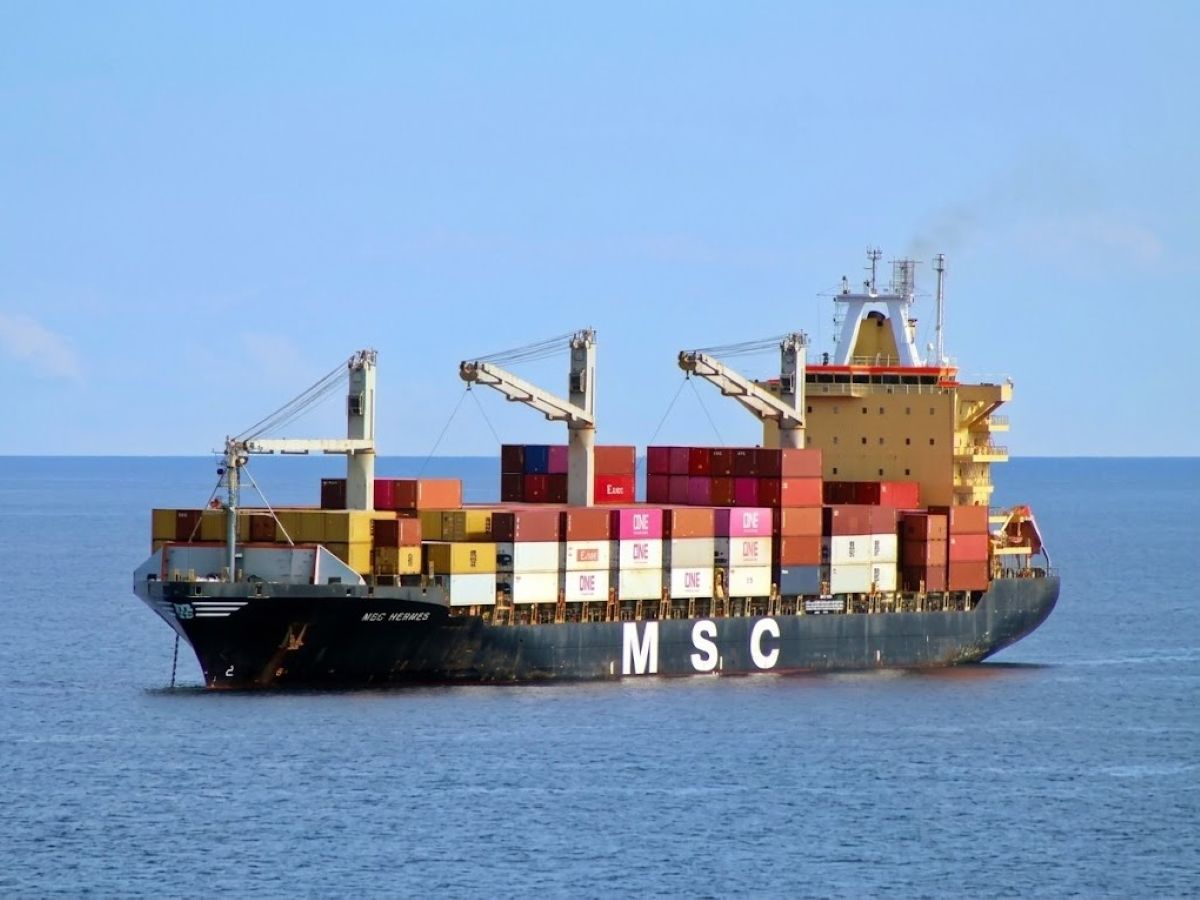
MSC Hermes III Adrift Unmanned in South China Sea After 25 Crew Abandon Ship
 Safety
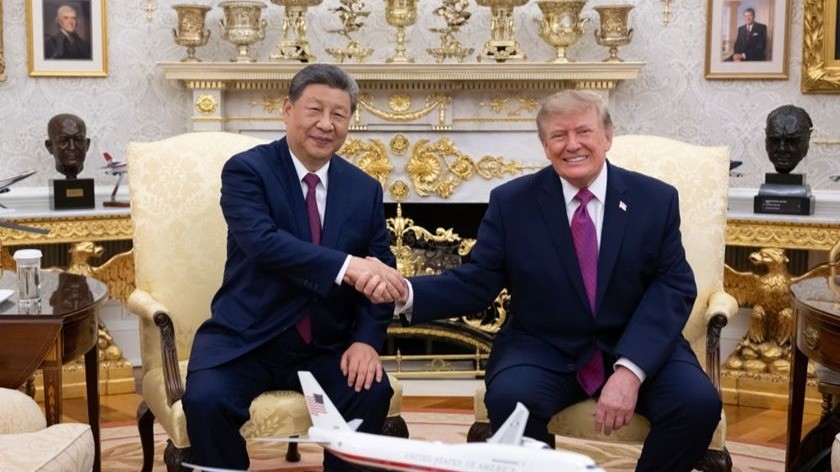
China-U.S. Consensus Highlights Free Navigation: No Country or Entity Should Impose Transit Fees on International Waterways
 Safety
Dangerous Goods Container Fire Reported at NPCT1 Terminal in Jakarta
 Safety
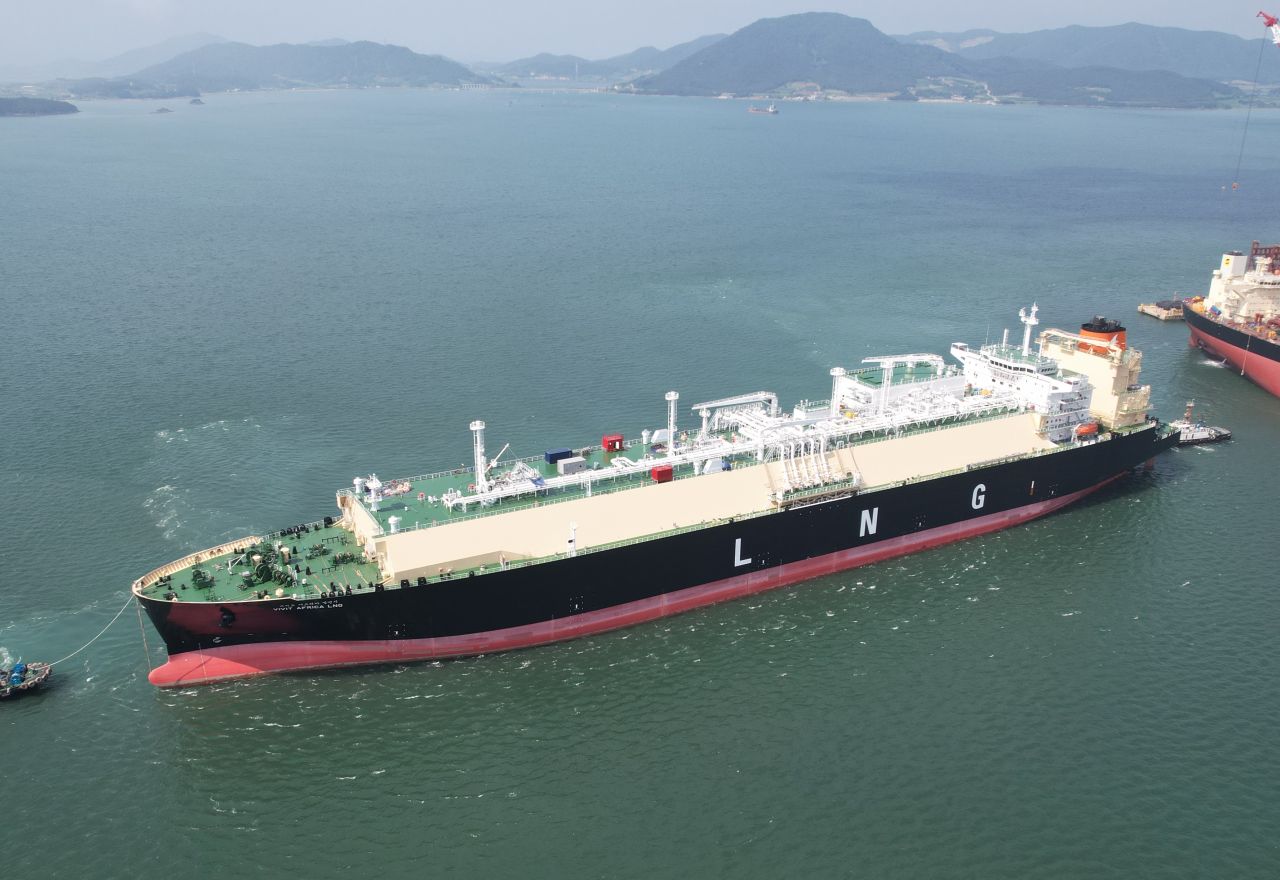
Suspected Cyber Incident Diverts LNG Carrier After Cargo-Control Failure
 Safety
Xinde Marine Forum London 2026: Shipping Moves from Lean Logistics to Resilience by Design
 Safety
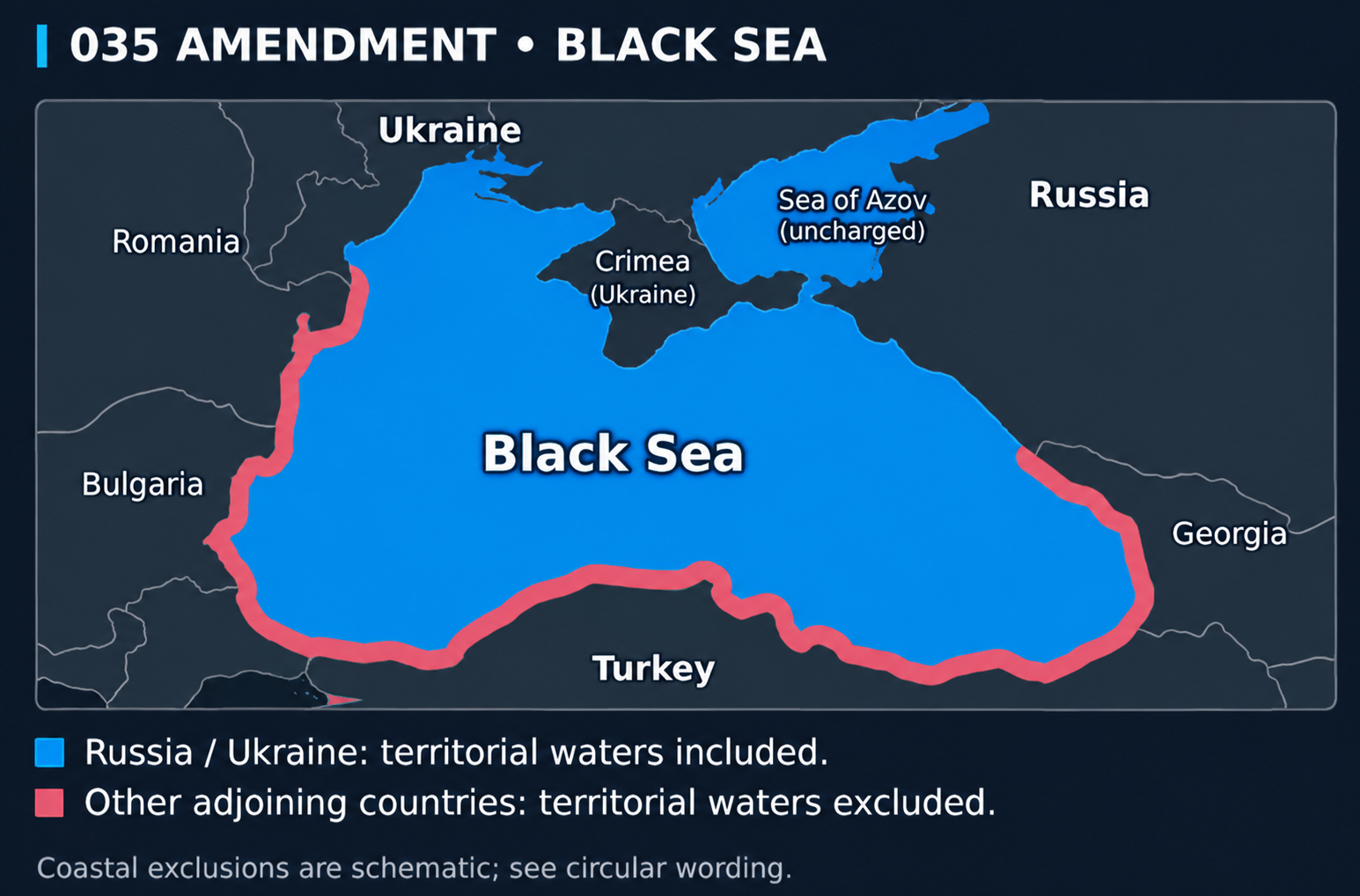
Almost the Entire Black Sea Is Now a War-Risk Listed Area
 Safety
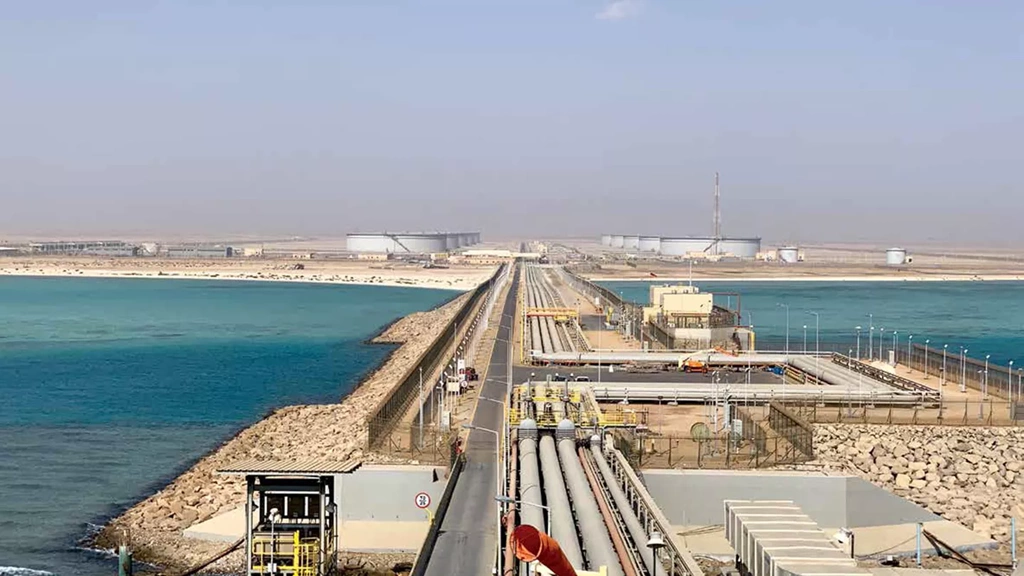
Saudi pipeline attack exposes limits of Hormuz bypass strategy
 Safety