


Breaking! 107 Containers Lost Overboard Following Shipwreck in Singapore Waters!
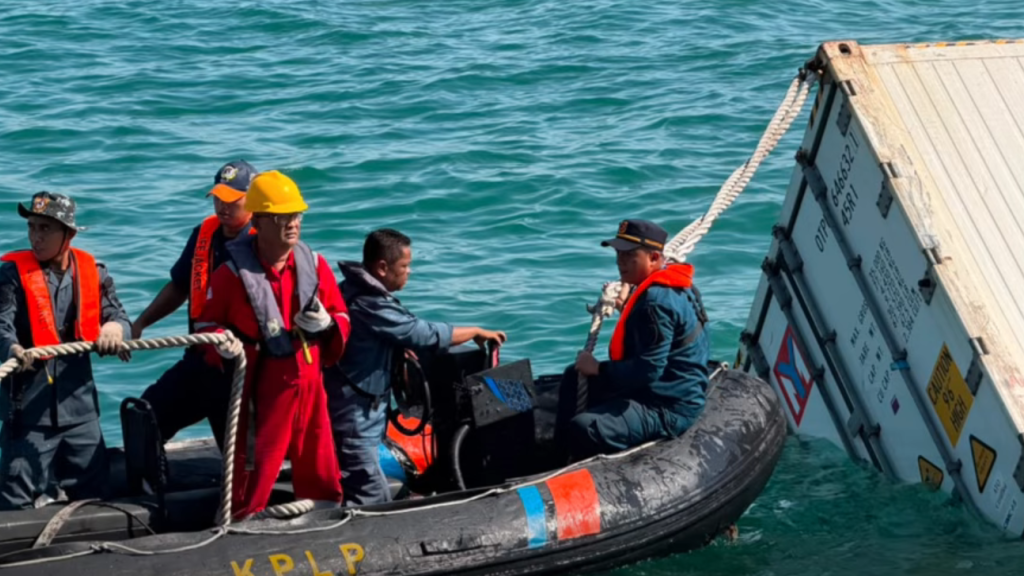

On the evening of June 5, the Tanzanian-flagged container ship "Golden Star 1" sank within the TSS (Traffic Separation Scheme) lane of the Singapore Strait. All 107 containers on board were scattered into the sea, while all 9 crew members were safely rescued.
This is the first large-scale container loss overboard incident since the IMO's "Mandatory Reporting of Lost Freight Containers" new regulations took effect on January 1, 2026. For freight forwarders, the logic behind the claims process, shipper recovery, and sailing schedule delays will be entirely different from the past.
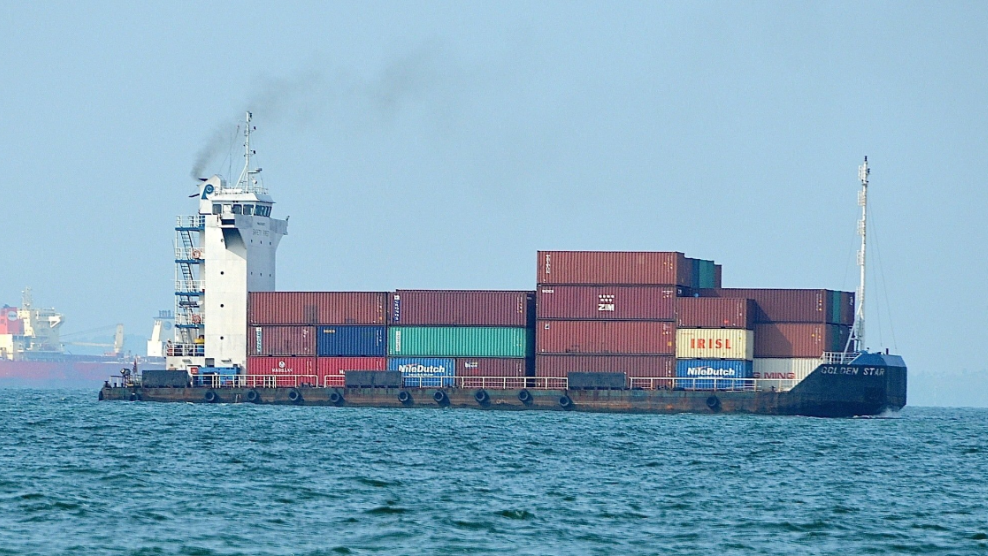
That night, the aging vessel, built in 1995, was sailing from Singapore's Tanjong Pagar Terminal to Pasir Gudang, Malaysia. It sank in the eastbound lane of the TSS at around 10:45 PM. The ship operator, Samudera Shipping Line, has confirmed it as a chartered vessel.
The Maritime and Port Authority of Singapore (MPA) has issued a navigational warning, requiring passing vessels to reduce speed and maintain a strict lookout. The wreck is located right inside the world's busiest shipping lane, and cleanup operations will take months. Resulting schedule delays are expected to cascade into Singapore's transshipment arrangements for multiple routes, including Southeast Asia, the Middle East, and Europe.
📦 107 Missing Containers: Who Will Find Them and How Will They Be Compensated?
The new IMO regulations explicitly state: After a container is lost, the master must immediately report the incident to nearby ships, the nearest coastal state, and the flag state. Shipping companies are also required to be equipped with more robust container tracking devices.
Because the "Golden Star 1" was not equipped with tracking devices, it may take weeks or even months to fully confirm the actual whereabouts of the 107 containers. This could lead to:
Prolonged Claims Cycles: Shippers will face extended wait times, as it will be impossible to quickly confirm whether the cargo has sunk to the seabed, washed ashore, or been salvaged by other vessels.
Minimized Carrier Payouts: Carriers may leverage international convention liability limits to compress the compensation per container to an extremely low level.
Extended Insurance Investigations: Once insurance companies intervene, the investigation into ownership and compensation liability could drag on for over a year.
📋 Three Practical Reminders for Freight Forwarders
1️⃣ Immediately verify if clients' cargo is on board
Samudera Shipping Line primarily operates short-haul feeder routes between Singapore and Malaysia. If your clients have cargo that recently transshipped through this segment, it is highly recommended to proactively check the container numbers with the shipping company or the shipper to confirm the cargo's status before the claims process officially kicks off.
2️⃣ Proactively communicate schedule risks with transshipment clients
During the wreck removal period, the transit efficiency of the TSS lane will significantly decrease. It is advised to notify clients routing cargo through Singapore in advance: "Due to a shipwreck in the Singapore Strait, channel transit may be restricted. We recommend allowing a 3-5 day buffer." Early warnings are especially crucial for time-sensitive shipments.
3️⃣ Advise clients to confirm insurance coverage and monitor premium trends
With 107 containers scattered at sea, salvage and damage assessment could take months. Because the carrier's liability limit is extremely low, shippers will have to rely on their insurance as a safety net. Proactively remind clients of two things:
If their cargo was in the sunken containers, confirm whether they purchased adequate cargo insurance and whether the policy covers "Partial Loss" and "General Average."
Monitor shipowner premium trends. Following the sinking of an aging vessel, shipping companies' insurance premiums will likely increase, which will ultimately be passed down via surcharges. Inform clients in advance that "freight premiums may rise."
The sinking of the "Golden Star 1" is the first major incident to test the enforcement strength of the new IMO regulations regarding containers lost overboard.
For freight forwarders, it serves as a stark reminder that the risks associated with aging feeder vessels are not isolated to deep-sea routes. Schedule delays at transshipment hubs can severely disrupt multiple trade corridors. More importantly, those contract liability clauses regarding "lost containers"—which might have seemed unnecessary in the past—must now be properly instituted.

READ MORE
 Safety
25 Crew Abandon MSC Container Ship in the South China Sea — All Rescued, Vessel Still Adrift
 Safety
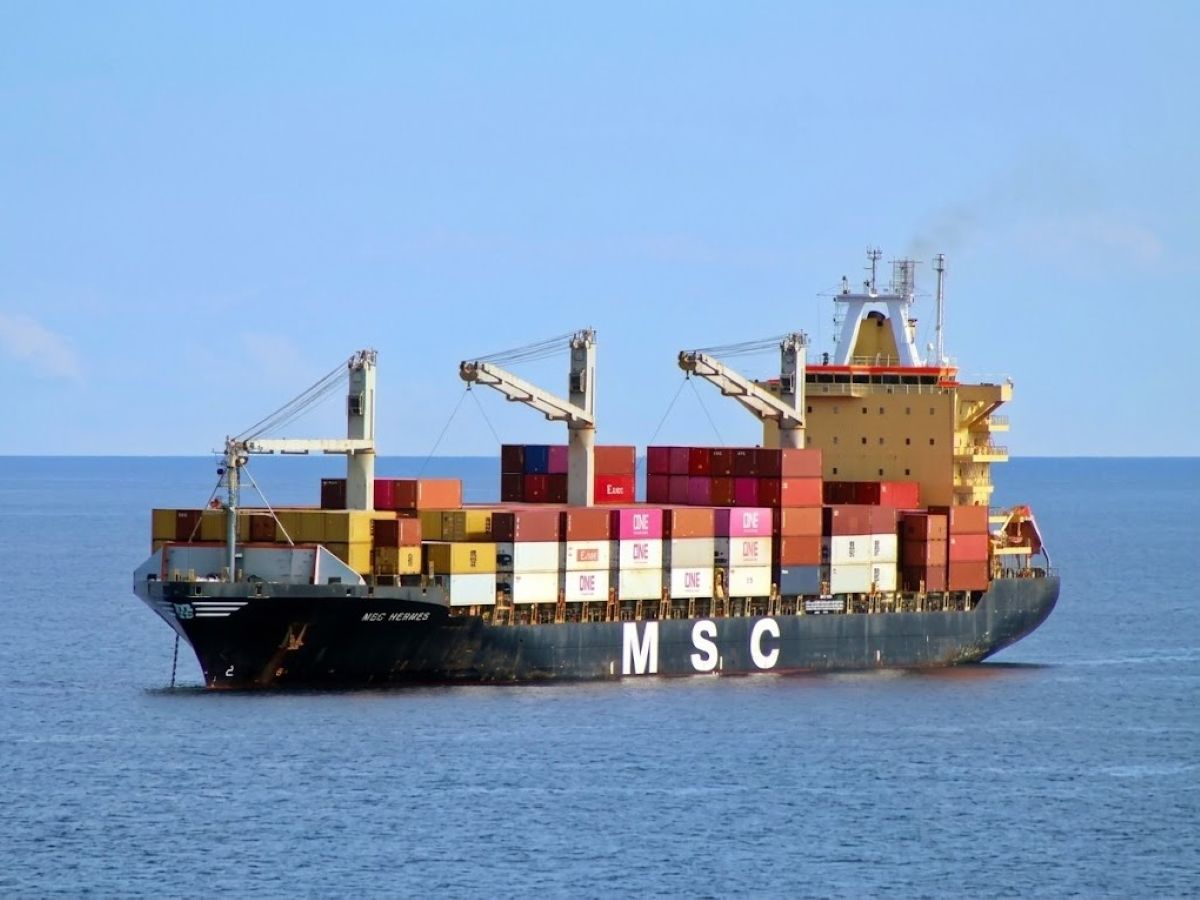
MSC Hermes III Adrift Unmanned in South China Sea After 25 Crew Abandon Ship
 Safety
Dangerous Goods Container Fire Reported at NPCT1 Terminal in Jakarta
 Safety
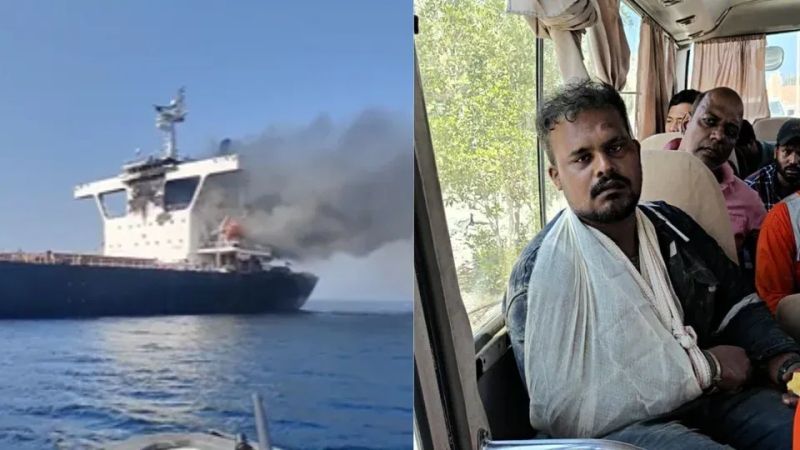
1 seafarer killed, Fatal attack in the Strait of Hormuz: Capesize bulker CAPE DAO hit by unknown projectile
 Safety
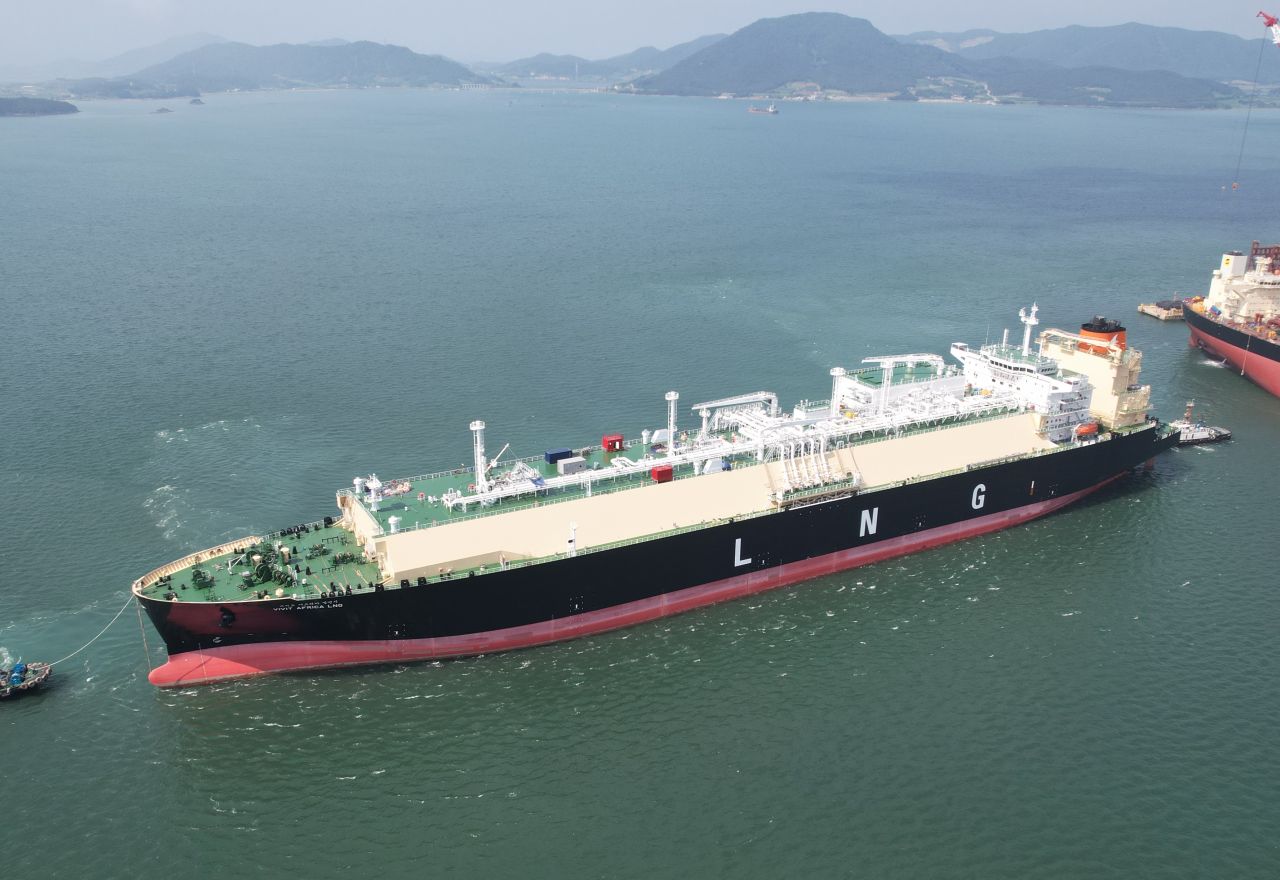
Suspected Cyber Incident Diverts LNG Carrier After Cargo-Control Failure
 Safety
Xinde Marine Forum London 2026: Shipping Moves from Lean Logistics to Resilience by Design
 Safety
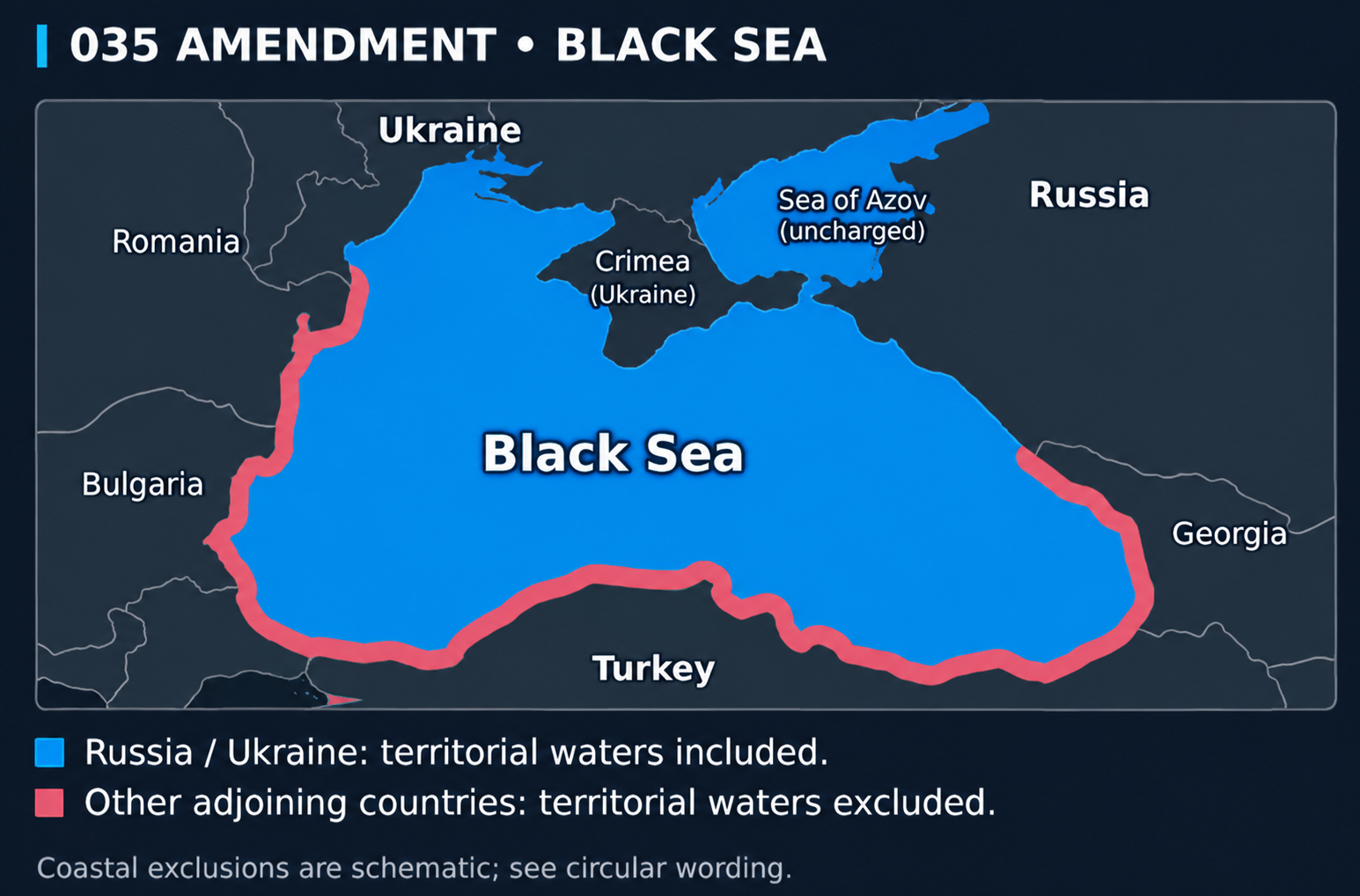
Almost the Entire Black Sea Is Now a War-Risk Listed Area
 Safety
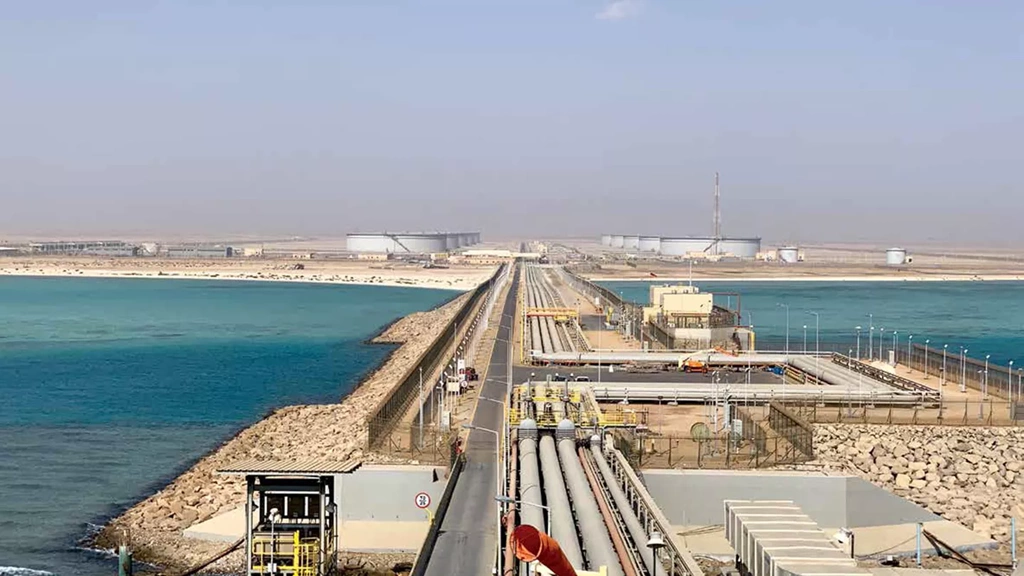
Saudi pipeline attack exposes limits of Hormuz bypass strategy
 Safety
Engine Room Fire Epidemic Prompts Global Safety Alert After Qingdao Shipyard Tragedy
 Safety