


Fuel Quality Cost Millions, Maritec-Naias warns Owners

Marine fuel quality is becoming a million-dollar risk for shipowners as chemical contamination and biofuel-related instability become harder to detect through routine testing.
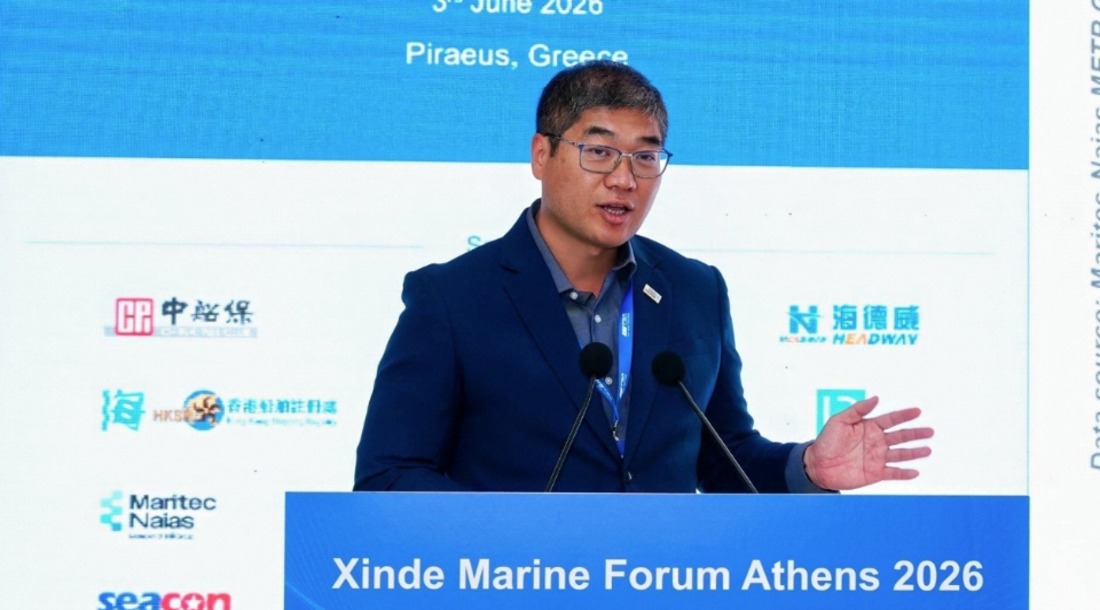
That was the warning from John RENDI, Global President of Maritec-Naias, a member of CTI Group, during the Xinde Marine Forum Athens 2026.
RENDI said owners are facing a new generation of bunker risks that go beyond traditional ISO 8217 parameters such as sulphur, viscosity, water, flash point and cat fines.
Some fuels may pass routine testing but still contain high-boiling-point chemical contaminants that can attack fuel treatment systems and engine components once the fuel is used onboard.
According to Maritec-Naias data, around 23m tonnes of marine fuel were tested by the industry in 2025, with about 11% of the volume undergoing GC-MS screening. Of the screened samples, 6.2% returned an “Alert” result, while 14.5% fell into the wider “Caution + Alert” category.
The risk appears to be rising. In the first quarter of 2026, Maritec-Naias said its GC-MS “Alert” rate increased to around 9%, while “Caution + Alert” climbed to about 21%.
RENDI highlighted a recent Singapore VLSFO contamination case in the first quarter of 2026. Around 90,000 tonnes of contaminated fuel were reported, affecting an estimated 50 to 100 vessels. Some samples contained high levels of alkylresorcinol, a phenolic contaminant not captured by standard ISO 8217 testing.
The operational impact can be severe. Contaminated fuel may cause sludge formation in purifiers, filter clogging, fuel pump and injector problems, piston ring and cylinder liner wear, and main or auxiliary engine damage.
In one case study, a vessel bunkered VLSFO in Singapore on 3 April 2026. Three days later, Maritec-Naias detected 4,760 ppm of alkylresorcinol and alerted the ship before the fuel was consumed. The owner later negotiated with relevant parties and decided to debunker the fuel.
The cost difference is significant.
Maritec-Naias estimated that a single contamination event could involve $300,000 to $400,000 in debunkering and replacement fuel costs, $100,000 to $200,000 in avoided engine repair costs, and $250,000 to $375,000 in avoided off-hire losses.
That puts the potential cost avoidance for one case at around $650,000 to $1m.
By comparison, enhanced testing may cost around $150 to $300 per bunker test, or roughly $1,500 to $3,000 per vessel per year for a vessel with about 10 bunkerings.
RENDI said the critical window is before the fuel is burned.
Maritec-Naias recommends that owners supplement routine ISO 8217 analysis with enhanced GC-MS chemical screening and stability testing, especially when bunkering at higher-risk locations or using fuels with complex blending components.
As biofuels enter the marine fuel supply chain, the issue becomes more complex. Different feedstocks and handling practices may introduce oxidation, microbial, cold-flow, FAME and compatibility risks.
For shipowners, the message is increasingly financial as much as technical: fuel quality management can no longer stop at price, sulphur and basic compliance.
In the biofuel and complex blending era, the most expensive bunker risks may be the ones standard testing does not see.

READ MORE
 Safety
1 seafarer killed, Fatal attack in the Strait of Hormuz: Capesize bulker CAPE DAO hit by unknown projectile
 Safety
25 Crew Abandon MSC Container Ship in the South China Sea — All Rescued, Vessel Still Adrift
 Safety
MSC Hermes III Adrift Unmanned in South China Sea After 25 Crew Abandon Ship
 Safety
China-U.S. Consensus Highlights Free Navigation: No Country or Entity Should Impose Transit Fees on International Waterways
 Safety
Dangerous Goods Container Fire Reported at NPCT1 Terminal in Jakarta
 Safety
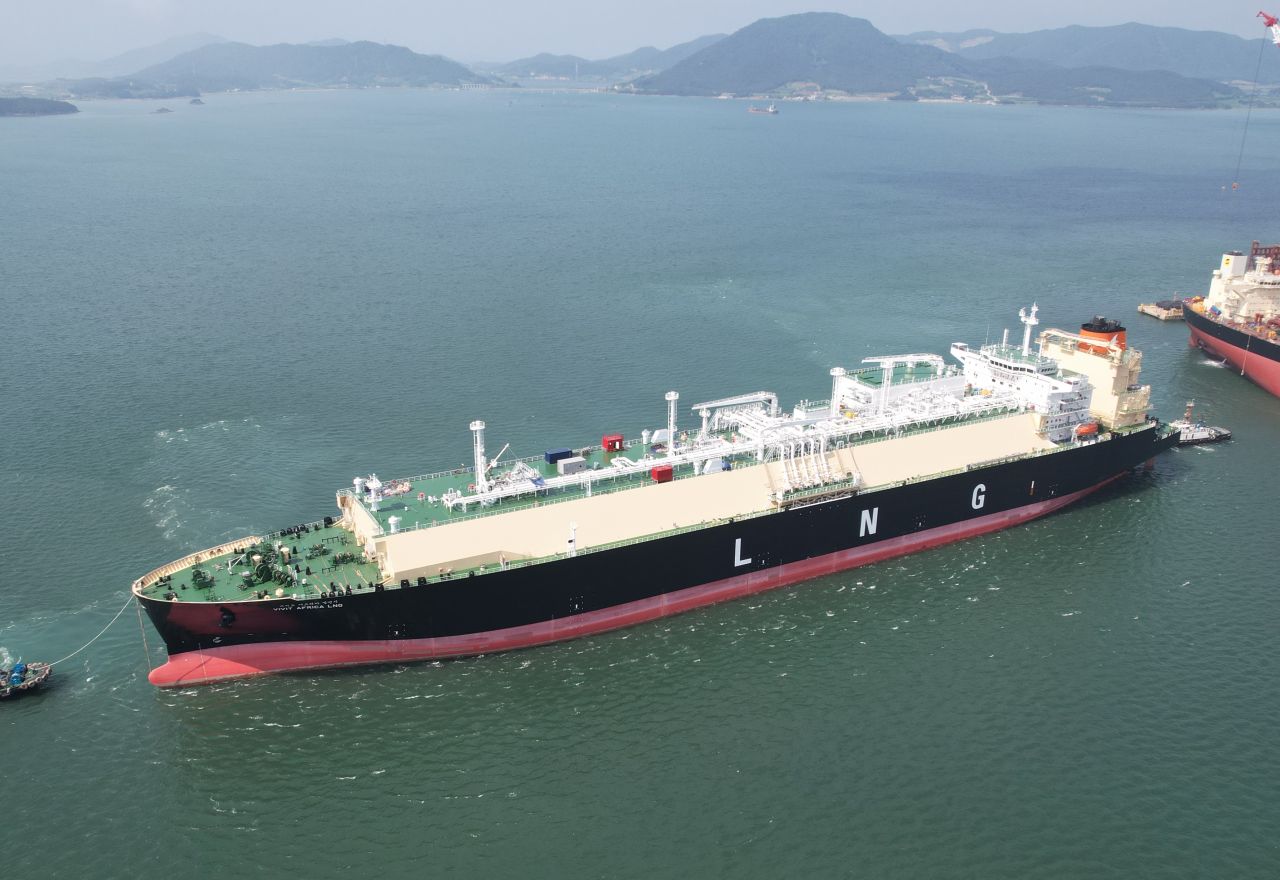
Suspected Cyber Incident Diverts LNG Carrier After Cargo-Control Failure
 Safety
Xinde Marine Forum London 2026: Shipping Moves from Lean Logistics to Resilience by Design
 Safety
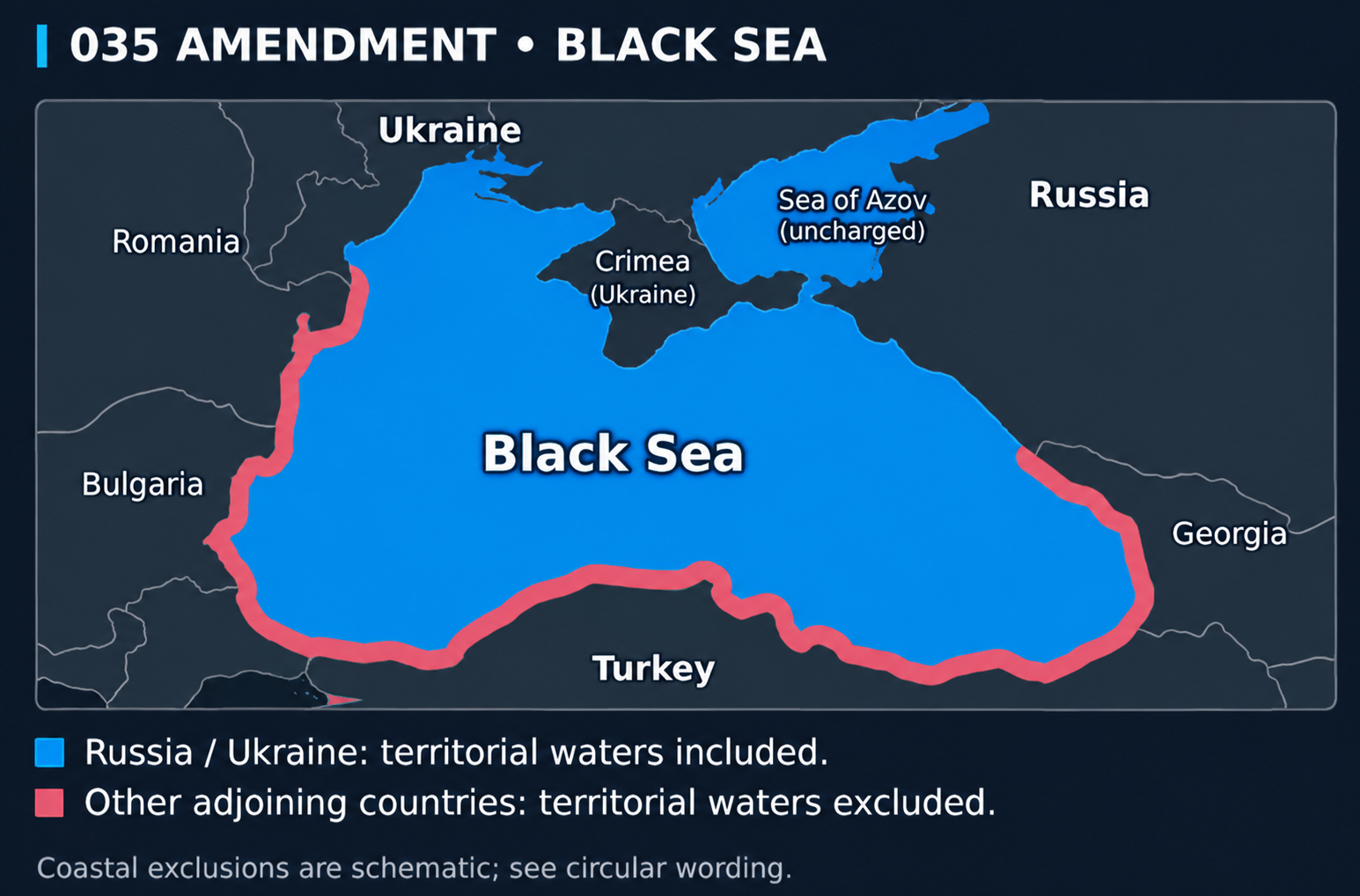
Almost the Entire Black Sea Is Now a War-Risk Listed Area
 Safety
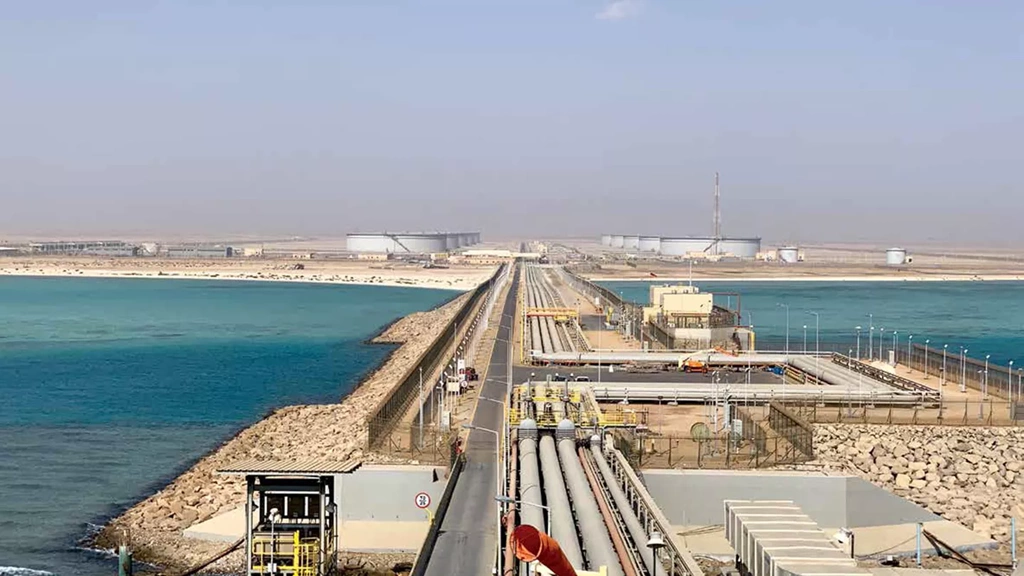
Saudi pipeline attack exposes limits of Hormuz bypass strategy
 Safety