


Another Exit for Sanctioned Ships? Best Oasis Announces OFAC Licence

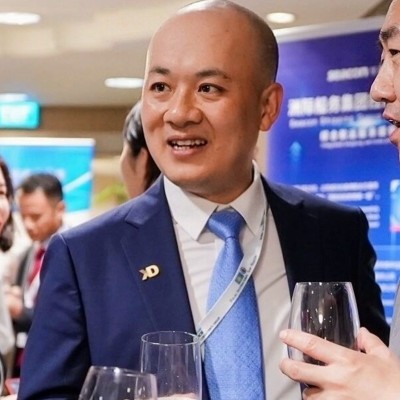
Dubai-based ship recycling cash buyer Best Oasis FZCO says it has obtained a specific licence from the US Treasury’s Office of Foreign Assets Control (OFAC) to evaluate and negotiate the potential acquisition of sanctioned or blocked vessels. Each acquisition remains subject to separate OFAC approval. The announcement adds another potential route for ageing sanctioned ships to leave service through regulated recycling transactions, following earlier licensing initiatives by GMS.
Best Oasis had become the second cash buyer, after GMS, to secure this type of authorisation. The development brings a practical question into sharper focus: how can a sanctioned vessel move from an owner’s disposal decision through payment and delivery to a suitable recycling facility?
Permission to assess and negotiate
According to Best Oasis’s official social media announcement, the licence allows the company to engage with vessel owners and their representatives, conduct inspections and due diligence, and enter into conditional purchase agreements. This gives the cash buyer scope to assess a vessel’s condition, ownership and commercial prospects, develop a potential transaction and identify the arrangements needed to proceed. Individual purchases would then require their own OFAC approvals.
OFAC’s published guidance distinguishes between general licences, which authorise specified categories of transactions under stated conditions, and specific licences issued to particular individuals or entities in response to applications. Specific licences are non-public documents, and parties using them must comply with their terms, including applicable recordkeeping and reporting requirements. Best Oasis has disclosed its authorisation through its own announcement; OFAC’s public guidance explains the licensing framework.
A cash buyer with roots in India
Best Oasis grew out of the ship recycling business of India’s Priya Blue. According to its corporate website, Sanjay P. Mehta founded Priya Blue Industries in 1994, and the business expanded into international cash buying in 2010 through the establishment of Best Oasis. In its latest announcement, Best Oasis said it had experience of more than 1,300 vessel transactions worldwide, a figure also included in its Emirates Shipping Association membership profile.
Cash buyers connect shipowners disposing of vessels with the facilities that ultimately recycle them. Their role can encompass acquisition, ownership transfer and delivery, with the buyer taking on financial, operational and market risks along the way. For sanctioned vessels, that work also involves complex ownership and counterparty checks, alongside arrangements for payment, insurance, navigation or towage, and acceptance by the recycling facility. The commercial opportunity depends on bringing these elements together in a transaction that can be completed.
GMS shows the challenges beyond licensing
GMS has already provided an early example. In a company release dated 9 October 2026, it said it had become the first entity to receive specific US government licences to acquire and recycle sanctioned vessels that year. Projects publicly disclosed in May involved four sanctioned containerships: Yogi, Timon, Rantanplan and Bigli.
In an interview published by Riviera on 27 May, GMS said the four vessels remained on OFAC’s sanctions list despite the licences, creating difficulties when international financial institutions screened the transactions. The company said it had submitted a further application to have the vessels delisted to address the banking obstacles. At that stage, the final recycling locations and delivery dates had also yet to be confirmed. The experience illustrated the operational work still required between receiving authorisation and delivering a ship for recycling.
Shipowners have also called for a workable exit mechanism. Xinde Marine News previously reported that Evangelos Marinakis, founder and chairman of Capital Maritime & Trading, had urged the US and Europe during Hong Kong Maritime Week to provide a defined, conditional window for recycling certain sanctioned vessels. GMS founder and chief executive Anil Sharma also highlighted the importance of compliant payment and transaction channels in that discussion. Best Oasis’s announcement represents another commercial development in an area where the industry has been seeking practical solutions.
Strong earnings keep older ships trading
The wider recycling market faces a further constraint: many older vessels still have employment or resale opportunities. In its third-quarter market analysis published on 2 October, GMS said recycling yards had capacity and an appetite to buy, but the anticipated increase in vessel supply had not fully materialised. Strong freight earnings and opportunities in the second-hand market encouraged owners to retain ageing tonnage.
That commercial calculation will continue to influence the supply released for recycling as licensing routes develop. A clearer disposal process could help owners of vessels with limited employment or resale prospects. Owners of ships still generating attractive returns will continue to weigh those earnings against their recycling value. More cash buyers able to evaluate sanctioned tonnage would broaden the available disposal options, while the pace of actual recycling would depend on owners’ decisions and the execution of individual transactions.
The next step is delivery
Recycling facilities must also meet the safety and environmental requirements applicable to the vessel and transaction. The IMO’s Hong Kong International Convention for the Safe and Environmentally Sound Recycling of Ships entered into force on 26 June 2025. It addresses preparation for recycling, the operation of recycling facilities, and associated survey, authorisation, certification and reporting requirements. Moving sanctioned vessels into responsible recycling requires the transaction arrangements and the receiving facility’s capabilities to work together.
Best Oasis’s announcement adds a potential participant capable of advancing that process. The next developments to watch are vessel-specific approvals, workable payment and delivery arrangements, and ships actually reaching recycling facilities. For ageing vessels caught in complex ownership and sanctions relationships, a credible exit route will take shape through completed transactions and safe withdrawal from service.


READ MORE
 Safety
Maersk Hit by Another Cyberattack: Data Extracted from Legacy System
 Safety
Breaking News: Strong Winds Force 23,000‑DWT Bulk Carrier to Drag Anchor and Run Aground
 Safety
All 14 Crew Rescued as Chinese Bulk Carrier Sinks in Yellow Sea Amid Cold Wave
 Safety
Xinde Shipping Briefing: Hormuz Tanker Attacks, VLCC Rate Correction and China's Newbuilding Deals
 Safety
AMSA bans vessel over repeatedly falsifying seafarer hours of work and rest records
 Safety
Winter Safety Guidelines for Ships
 Safety
Breaking!15,500-TEU Maersk Giant Sends Crane Crashing Down at Yantian
 Safety
Singapore Updates Health‑Declaration Rules: Four Categories of Vessels Must Submit Mandatory MDH
 Safety
Head-on Collision of Two General Cargo Ships Blocks Traffic in the Kiel Canal near Schülp
 Safety