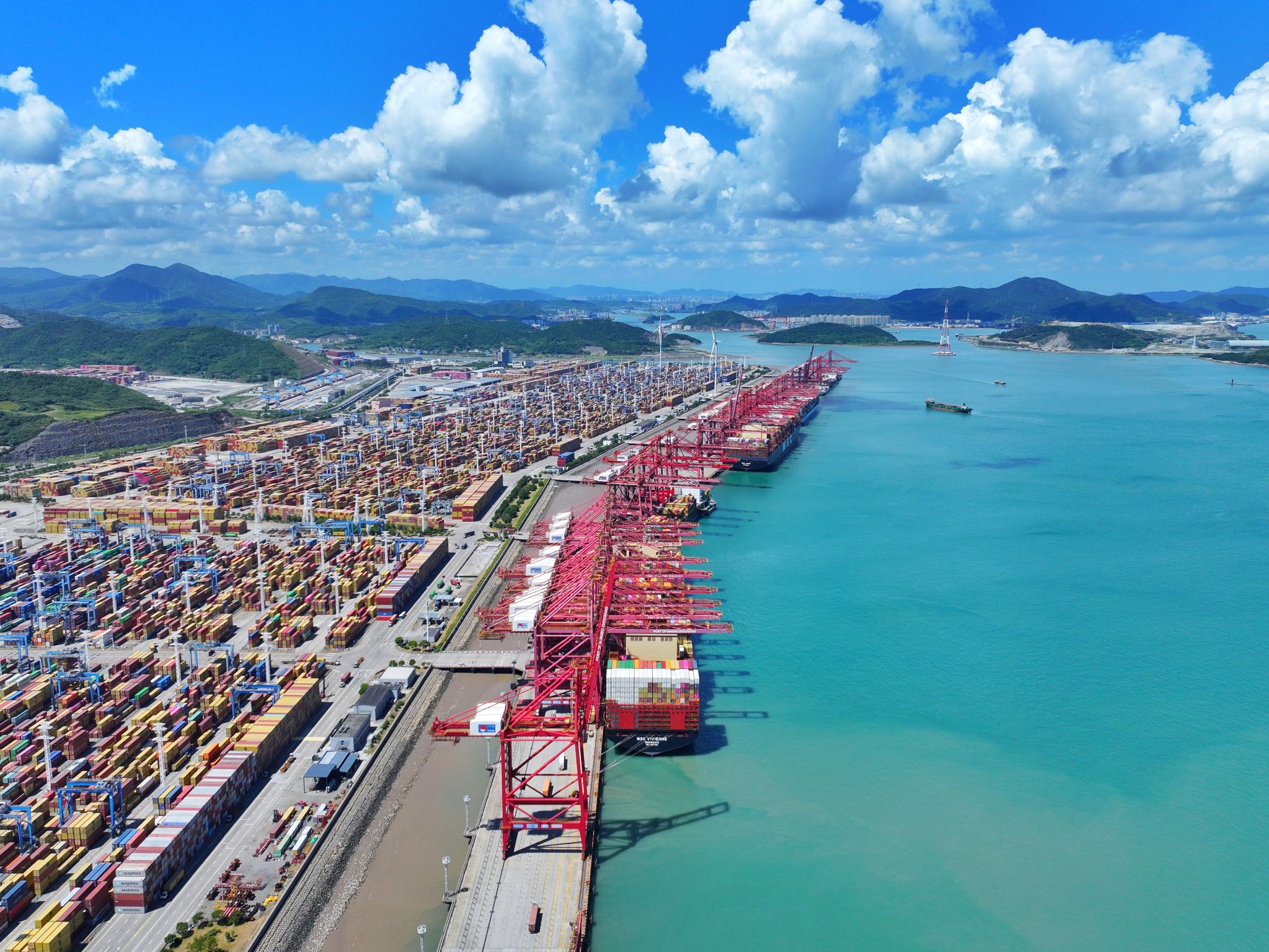
 A major milestone has been reached on China’s east coast. In 2025, Ningbo-Zhoushan Port recorded cargo throughput exceeding 1.4 billion tonnes, positioning it to secure a 17th consecutive year as the world’s No.1 port by total cargo volume. Its container throughput also exceeded 43 million TEUs for the first time, keeping the port firmly ranked No.3 globally.
What makes this achievement particularly meaningful is that it is not only about scale—it reflects a step-change in system capability: infrastructure expansion, improved deep-water access, stronger intermodal connectivity, and rapid progress in digitalisation and green shipping services.
Capacity upgrades across major container and bulk terminals, strengthening the port’s physical foundation for growth.
A breakthrough in navigational capability: the Tiaozhumen Channel 300,000-tonne expansion achieved trial navigation on 26 Dec 2025, moving the core port area into a “dual-channel” era and enhancing resilience for ultra-large vessels.
A continuously expanding global network: by end-2025 the port operated 309 container services, connecting 700+ ports across 200+ countries/regions.
Deeper sea-rail integration: 110+ sea-rail routes, 40 inland dry ports, and over 2 million TEUs handled via sea-rail in 2025.
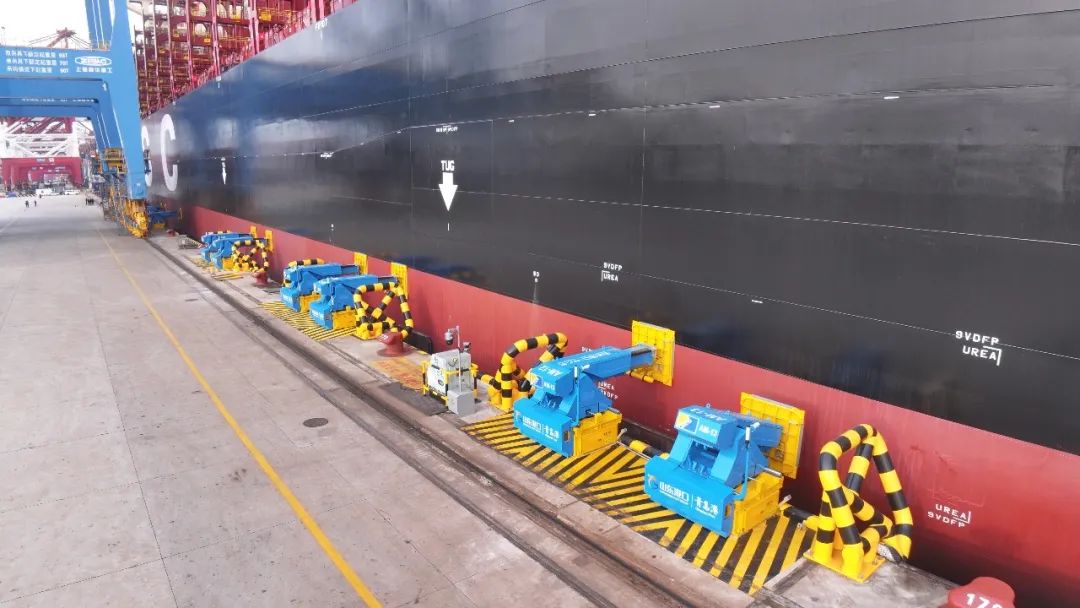
Tangible progress on green and smart port development, including new alternative fuel bunkering milestones and wider deployment of proprietary digital operating systems.
In an era of slower trade growth and heightened geopolitical uncertainty, Ningbo-Zhoushan’s performance underlines a clear trend: the most competitive ports are those that combine scale, connectivity, efficiency, and resilience—while preparing early for the industry’s digital and decarbonisation transition.
by Xinde Marine News Chen Yang
The opinions expressed herein are the author's and not necessarily those of The Xinde Marine News.
Please Contact Us at:
media@xindemarine.com