New-energy cargo is reshaping MPP heavy-lift vessels: Chipolbrok increases its bets alongside COSCO SHIPPING Specialized Carriers and Haitong — Vessel upgrades and route opportunities are opening up
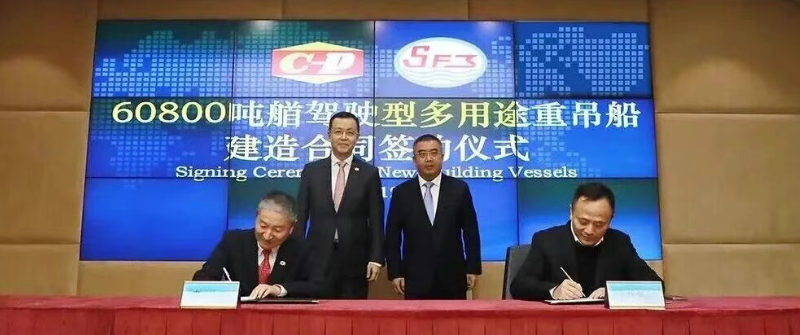
From late 2025 to now, three representative players in the multipurpose heavy-lift (MPP Heavy Lift) segment have, almost simultaneously, given a clear answer: increase investment.
Chipolbrok has signed contracts for six 60,800 DWT bow-bridge multipurpose heavy-lift newbuilds; COSCO SHIPPING Specialized Carriers (COSCO SHIPPING Special, 600428) has announced that its board has approved the construction of four 40,000 DWT multipurpose heavy-lift vessels at CSSC Chengxi. Meanwhile, Haitong Development has returned to the newbuilding market after many years, announcing a plan to invest no more than RMB 900 million to order three next-generation multipurpose heavy-lift vessels of the same type at Taizhou Kou’an Shipbuilding Co., Ltd., positioning heavy-lift/multipurpose shipping as a key move in building its "second growth curve."
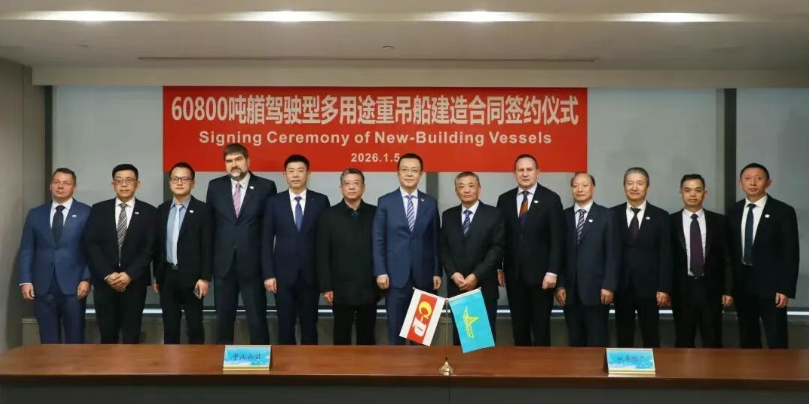
Although these three orders differ in number, tonnage, route positioning, and fleet role, they all point to the same core trend: new energy (wind power + energy storage, etc.) and the associated equipment are pushing "project cargo transportation" from traditional engineering logistics into a new phase characterized by "stronger deck orientation, stronger containerization, and stronger compliance requirements."
For shipowners, this means a new cargo mix is giving rise to new capacity tiers, vessel parameters, and operating models; for the broader value chain, it means a maritime corridor centered on high-end manufacturing going global is being systematically reinforced.
Different answers to the same question: new-energy project logistics is pushing MPP into an era where deck capability is priced
In the past, the core competitiveness of multipurpose heavy-lift vessels was often summarized in three points: lifting capability, hatch/hold adaptability, and project handling experience. Now, however, the upsizing of wind power equipment, expansion into deepwater and offshore areas, and the surge in exports of new electromechanical cargo such as energy storage are imposing more structured requirements on MPP: not only must the vessel be able to lift and load, it must load faster, more safely, and more compliantly—and switch efficiently between project cargo and containerized cargo.
This is why Chipolbrok emphasizes the deck-area gains brought by the "bow-bridge" configuration on its 60,000-ton newbuilds, along with deck strength and deck-centric slot organization; while COSCO SHIPPING Special has chosen to fill out the 40,000-ton mid-sized tier to strengthen capacity flexibility and route organization for multi-batch, cross-regional project deliveries. The paths differ, but the logic is the same: turning "usable deck resources + operating efficiency + compliance certainty" into quantifiable, replicable asset capability.
Chipolbrok launches 60,800 DWT "bow-bridge" multipurpose vessels
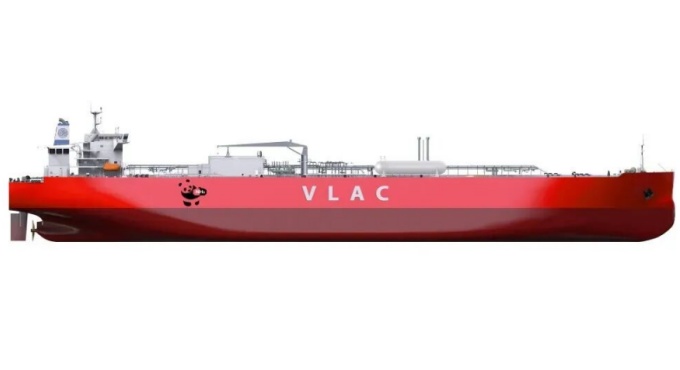
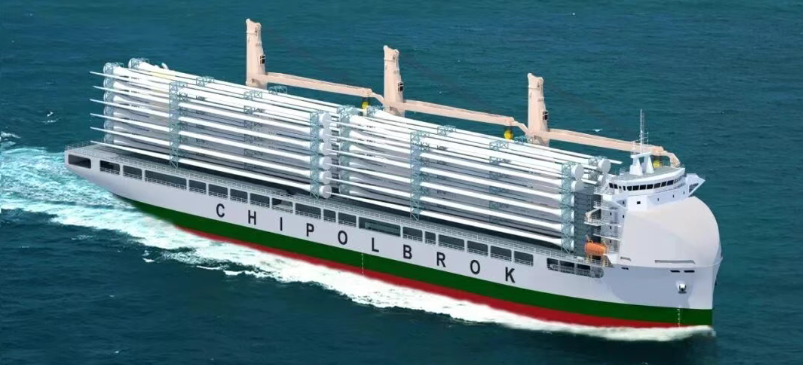
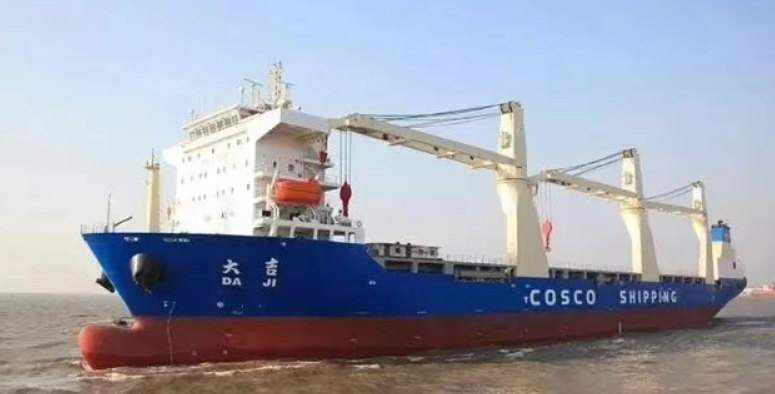
The six 60,800 DWT bow-bridge multipurpose heavy-lift vessels signed by Chipolbrok carry a key implication in "bow-bridge": the bridge and accommodation block are moved forward to the bow, thereby freeing up more continuous, flat deck space. The design emphasizes cargo suitability and scale advantages for engineering project cargo: not only is deck stowage area increased, deck cargo strength is also raised to 4.5 t/m², and the vessels are equipped with three 200-ton cranes with tandem lift capability increased to 400 tons. They also adopt configurations such as open hatch to cover multiple cargo types including dry bulk, ultra-long cargo, and containers.
Even more noteworthy is that Chipolbrok has directly embedded the real-world constraints of new-energy cargo into the vessel’s capabilities: container capacity is increased to 3,180 TEU, with stowage primarily on deck to meet loading rules and operating preferences such as "avoid placing in holds" for energy-storage containers, lithium battery packs, charging-station equipment, and similar cargo. For wind power transport, the design has been specifically optimized around the handling efficiency of ultra-long pieces; when loading blades of about 84 meters, it can significantly increase cargo intake per voyage and stowage utilization compared with Chipolbrok’s existing 62,000 DWT stern-bridge design.
In market terms, the combination of "more usable deck area + stronger deck strength + project cargo lifting capability + containerization adaptability" is effectively upgrading MPP from a "single-purpose project cargo tool" to a "hybrid platform for new-energy equipment going global"—capable of carrying traditional project cargo that is ultra-long and oversized, while also capturing incremental demand from emerging containerized electromechanical cargo such as energy storage.
Haitong Development: returning to the newbuilding market after many years
Echoing Chipolbrok's same-type vessel on the market side is Haitong Development. According to the company's latest disclosures, Haitong Development's board has approved a newbuilding investment plan to invest in the construction of three next-generation multipurpose heavy-lift vessels at Taizhou Kou’an Shipbuilding Co., Ltd., with a total contract price not exceeding RMB 900 million (excluding VAT). After years of expanding capacity mainly through secondhand vessels, this order is viewed as a landmark move marking Haitong’s return to the newbuilding market "after many years."
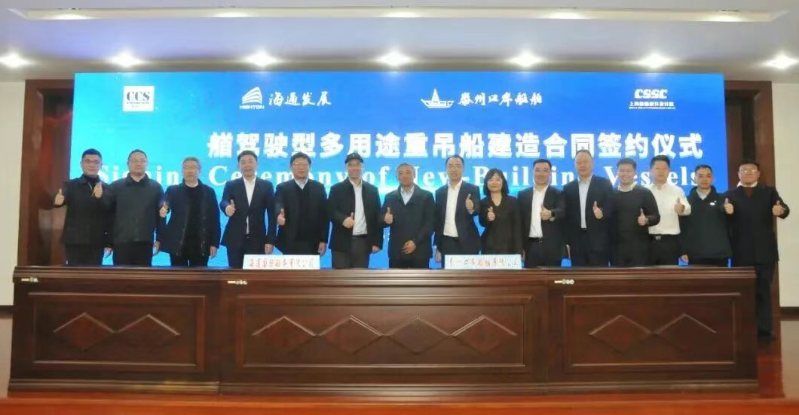
From a business-synergy perspective, heavy-lift vessels align closely with Haitong Development’s existing breakbulk/general cargo business: stronger onboard lifting capability, larger continuous flat deck space, and higher deck strength enable better coverage of major cargo sources such as wind power equipment, engineering project cargo, large machinery, and rail equipment, while allowing more efficient switching between "project cargo + containerized cargo."The company also emphasizes that it has established a specialized heavy-lift operating team and developed several advantageous routes, with heavy-lift/multipurpose operations expected to become an important engine driving its second growth curve.
More importantly, this newbuilding move into capability-based assets forms a strategic closed loop with Haitong Development’s 100-ship plan.
The company has repeatedly disclosed a target to expand its owned fleet to 100 vessels around 2028–2029 and to continue improving its vessel mix. For Haitong, the new-generation 60,000-ton bow-bridge heavy-lift vessels are not merely additional capacity, but an outward expansion of the fleet's capability boundary: while maintaining its dry bulk base, it is extending into higher value-added and higher-barrier multipurpose/heavy-cargo markets, thereby improving the fleet portfolio’s counter-cyclicality and earnings elasticity.
The company has repeatedly disclosed a target to expand its owned fleet to 100 vessels around 2028–2029 and to continue improving its vessel mix. For Haitong, the new-generation 60,000-ton bow-bridge heavy-lift vessels are not merely additional capacity, but an outward expansion of the fleet's capability boundary: while maintaining its dry bulk base, it is extending into higher value-added and higher-barrier multipurpose/heavy-cargo markets, thereby improving the fleet portfolio’s counter-cyclicality and earnings elasticity.
COSCO SHIPPING Special: adding 40,000-ton newbuilds to complete the "mid-sized tier", providing a more flexible capacity puzzle for wind power and energy-storage project delivery
Compared with Chipolbrok's structural addition of deck and containerization capabilities at the 60,000-ton level, COSCO SHIPPING Special's key move this time is to fill the mid-sized capacity tier with 40,000-ton newbuilds, strengthening its project organization capability across the wind power and new-energy chain. According to the announcement, COSCO SHIPPING Special's board approved an investment by its wholly owned subsidiary COSCO SHIPPING (Hong Kong) Investment Development Co., Ltd. as the investing entity to build four 40,000-ton multipurpose heavy-lift vessels at CSSC Chengxi, with a total contract price of RMB 1,492.00 million.
In terms of delivery schedule, the first vessel is planned for delivery by June 2028, with the remaining vessels to be delivered sequentially by the end of February 2029. From an asset-allocation perspective, this timeline resembles an early positioning of "capacity tiers": on the basis of existing larger-tonnage heavy-lift capacity, adding the 40,000-ton tier can provide stronger dispatch efficiency in multi-batch project deliveries, regional transshipment, and multi-port coordination—using more flexible mid-sized assets to enhance the fleet's ability to switch between different cargo types and different project windows, without making a one-way bet on a single market cycle.
More critically, the company explicitly ties the newbuilding logic to wind power in its announcement: the rapid development of the wind power market is creating substantial seaborne transport demand, and the trend toward larger turbines and deepwater/offshore development places higher requirements on both the scale and vessel mix of multipurpose heavy-lift fleets. The company stresses that the newbuildings will help further optimize cargo suitability and support advanced manufacturing going global, safeguarding the stability of the new-energy industry chain and supply chain. At the same time, the company estimates an internal rate of return of about 6.76% and a static payback period of 11.8 years, indicating a relatively clear view of the mid- to long-term cash flow expectations for this asset portfolio.
From a fleet-strategy perspective, this means COSCO SHIPPING Special is building a clearer capacity tiering: on top of its existing heavy-lift/large MPP base, it is adding the 40,000-ton tier to bring both "larger, heavier, longer" turbine components and the "multi-batch, cross-regional, multi-port" project delivery rhythm into an operational capacity puzzle.
New market opportunities: threefold changes in cargo types, loading rules, and route organization
From the moves made by Chipolbrok and COSCO SHIPPING Special, we can see three important changes taking shape in the multipurpose shipping market.
First change: wind power is moving from "being transportable" to "high-efficiency delivery."
Turbine upsizing and the shift toward deepwater/offshore translate into longer blades, larger nacelles, heavier towers, more auxiliary equipment, and more complex port and site conditions. Competition among MPP vessels is no longer simply about “being able to lift,” but about comprehensive capability—per-voyage utilization, port turnaround, and matching the project delivery window.
The 60,000-ton tier has an advantage in ultra-long pieces and scale, while the mid-sized 40,000-ton tier offers greater marginal efficiency in multi-port, multi-batch, and flexible insert calls. The different tonnage choices made by the two owners are, in essence, about securing the optimal unit project fulfillment cost” across different delivery scenarios.
Turbine upsizing and the shift toward deepwater/offshore translate into longer blades, larger nacelles, heavier towers, more auxiliary equipment, and more complex port and site conditions. Competition among MPP vessels is no longer simply about “being able to lift,” but about comprehensive capability—per-voyage utilization, port turnaround, and matching the project delivery window.
The 60,000-ton tier has an advantage in ultra-long pieces and scale, while the mid-sized 40,000-ton tier offers greater marginal efficiency in multi-port, multi-batch, and flexible insert calls. The different tonnage choices made by the two owners are, in essence, about securing the optimal unit project fulfillment cost” across different delivery scenarios.
Second change: energy storage and new electromechanical cargo are bringing to the forefront rules of containerized, but not the same as general cargo containers.
Energy-storage containers, lithium battery packs, and charging-station equipment may appear containerized, but they differ from traditional general cargo containers in risk attributes, stowage location choices, monitoring, and emergency requirements. Chipolbrok’s design-level emphasis on “primarily on-deck stowage” is precisely about hardwiring changed loading rules into asset capability. For the industry, this implies that future MPP design parameters will more frequently iterate around on-deck slot organization + deck strength + firefighting/monitoring strategies.
Energy-storage containers, lithium battery packs, and charging-station equipment may appear containerized, but they differ from traditional general cargo containers in risk attributes, stowage location choices, monitoring, and emergency requirements. Chipolbrok’s design-level emphasis on “primarily on-deck stowage” is precisely about hardwiring changed loading rules into asset capability. For the industry, this implies that future MPP design parameters will more frequently iterate around on-deck slot organization + deck strength + firefighting/monitoring strategies.
Third change: route opportunities are shifting from a single trunk route to regional, multi-point delivery networks.
Destinations for the global expansion of the new-energy industry chain are more dispersed: there are large onshore/offshore wind projects in emerging markets, as well as demand for energy storage and power infrastructure in regions such as the Middle East and Latin America. Deliveries often feature "multi-batch, multi-port, cross-regional stitching." This demand structure naturally favors MPP fleets that can flexibly switch between project cargo and containerized cargo while maintaining high turnover. The 40,000-ton tier provides "frequency and coverage," while the 60,000-ton tier provides “scale and efficiency.” Together, they are pushing route organization from capacity-driven to "project-delivery-driven."
Destinations for the global expansion of the new-energy industry chain are more dispersed: there are large onshore/offshore wind projects in emerging markets, as well as demand for energy storage and power infrastructure in regions such as the Middle East and Latin America. Deliveries often feature "multi-batch, multi-port, cross-regional stitching." This demand structure naturally favors MPP fleets that can flexibly switch between project cargo and containerized cargo while maintaining high turnover. The 40,000-ton tier provides "frequency and coverage," while the 60,000-ton tier provides “scale and efficiency.” Together, they are pushing route organization from capacity-driven to "project-delivery-driven."
These three orders are not simple expansion, but reinvestment in new-energy maritime infrastructure
Looking at the three newbuilding orders by Chipolbrok, COSCO SHIPPING Specialized Carriers, and Haitong Development on the same chart, a clear industry signal emerges: multipurpose heavy-lift vessels are becoming a key underlying capability supporting new-energy equipment exports and global project logistics. Chipolbrok is using vessel innovation to align deck resources with containerized demand; COSCO SHIPPING Specialized Carriers is strengthening the project delivery network by reinforcing the mid-sized tier; and Haitong, starting from a dry bulk scaling path, is bringing "capability-based" multipurpose heavy-lift vessels into the structural upgrade toolbox of its "100-ship plan" by returning to the newbuilding market after many years, thereby reinforcing the asset foundation for its second growth curve.
When cargo structure, loading rules, and route organization are changing simultaneously, leadership among shipowners no longer depends on whether to buy ships, but on what ships to buy, with which parameters, and how to couple them with project delivery systems. This will also determine the real differentiation in the MPP market over the next few years: not differentiation in the sheer amount of capacity, but differentiation in whether asset capability is in sync with the new-energy delivery logic.
by Xinde Marine News Chen Yang
The opinions expressed herein are the author's and not necessarily those of The Xinde Marine News.
Please Contact Us at:
media@xindemarine.com